THE ADVENTURE COLLECTIVE® · Independent discovery and booking for outdoor travel

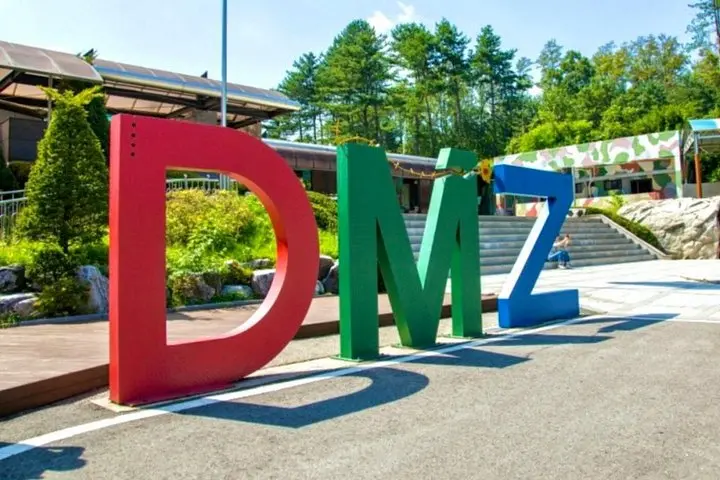
Spend a focused day at the DMZ: from Imjingak Park and the Third Tunnel to Dora Observatory and Dorasan Station, this guided tour pairs close-range history with panoramic views. Expect tight tunnels, strict ID checks, and a sobering look at the legacy of division.
Spend a focused day at the DMZ: from Imjingak Park and the Third Tunnel to Dora Observatory and Dorasan Station, this guided tour pairs close-range history with panoramic views. Expect tight tunnels, strict ID checks, and a sobering look at the legacy of division.
You step off the bus into a cool, measured quiet: the open stretch of Imjingak Park gives you a clear view across the Imjin River toward the fenced line that still separates two Koreas. Wind moves through the metal markers and the Unification Bridge—natural elements seeming to test the boundary—while signage and veteran guides map recent history into the landscape.
Verified experiences and guided adventures in the surrounding area.
Operated by Cosmojin Agency · Paju, Gyeonggi-do
You step off the bus into a cool, measured quiet: the open stretch of Imjingak Park gives you a clear view across the Imjin River toward the fenced line that still separates two Koreas. Wind moves through the metal markers and the Unification Bridge—natural elements seeming to test the boundary—while signage and veteran guides map recent history into the landscape.
This full-day excursion stitches together Cold War history and present-day symbolism: Imjingak Pavilion (built 1972) anchors visitor memory, Dorasan Station sits ready as a hope for reconnection, and the Dora Observatory offers a distant glimpse of North Korean villages. The Third Infiltration Tunnel exposes wartime engineering—steep, low-ceilinged passages cut through sedimentary rock—while Dokgae Bridge and Bunker Beat 131 translate bombardment and defense into physical artifacts.
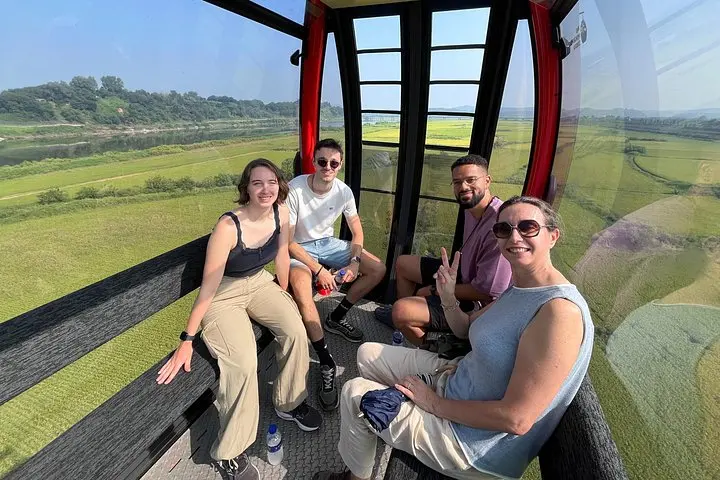
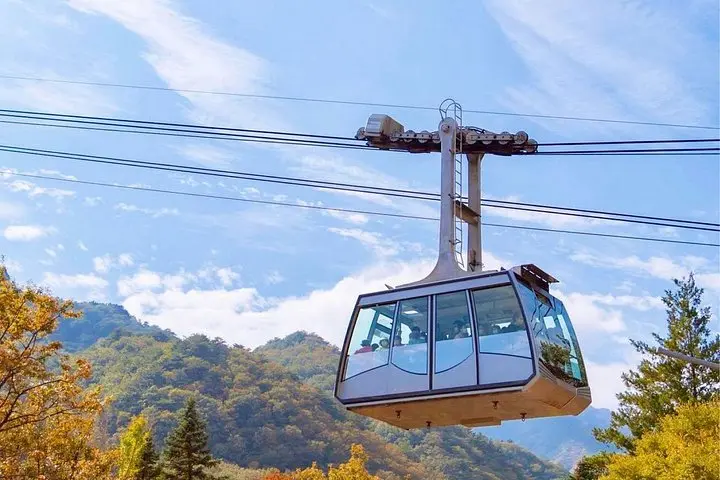
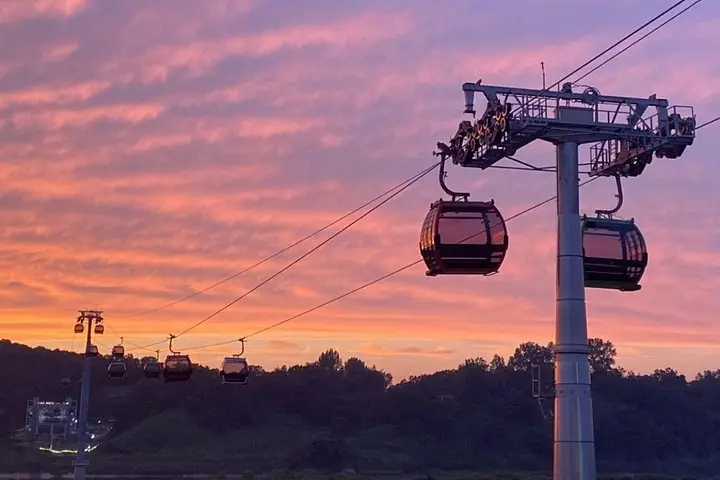
Geology here is modest—river plains punctuated by low ridges—yet the human imprint makes every contour meaningful. Culturally, Dorasan and the Unification Bridge are intentional pieces of a national narrative about separation and reconciliation. The Imjingak gondola adds a visual counterpoint: an elevated, cinematic look back at Camp Greaves and the surrounding valley, once an active military zone and now a contested memory.
Practical notes: tours require a valid passport, moderate fitness for steps and tunnel descents, and strict adherence to guide instructions and bus timing. Expect variable weather and bring layered clothing, durable footwear for the steep tunnel access, and respect photography rules at military viewpoints. The route returns toward central Seoul mid-afternoon—an intense, informative day that pairs close-up history with sweeping, often sobering views.
Yes — a current, valid passport is required on the day of travel for checkpoint registration and boarding.
The tunnel descent is steep with low ceilings; travelers should be comfortable bending forward and walking on stairways—sneakers are required.
Photography is allowed in many areas but restricted at certain military viewpoints and facilities—follow your guide’s instructions at all times.
Children may join but must be accompanied by an adult; the operator notes the tour may not be suitable for very young children due to steep stairs and confined spaces.
Cosmojin Agency operates guided outdoor trips and adventures with an emphasis on safety, stewardship, and memorable experiences.
You step off the bus into a cool, measured quiet: the open stretch of Imjingak Park gives you a clear view across the Imjin River toward the fenced line that still separates two Koreas. Wind moves through the metal markers and the Unification Bridge—natural elements seeming to test the boundary—while signage and veteran guides map recent history into the landscape.
You step off the bus into a cool, measured quiet: the open stretch of Imjingak Park gives you a clear view across the Imjin River toward the fenced line that still separates two Koreas. Wind moves through the metal markers and the Unification Bridge—natural elements seeming to test the boundary—while signage and veteran guides map recent history into the landscape.
This full-day excursion stitches together Cold War history and present-day symbolism: Imjingak Pavilion (built 1972) anchors visitor memory, Dorasan Station sits ready as a hope for reconnection, and the Dora Observatory offers a distant glimpse of North Korean villages. The Third Infiltration Tunnel exposes wartime engineering—steep, low-ceilinged passages cut through sedimentary rock—while Dokgae Bridge and Bunker Beat 131 translate bombardment and defense into physical artifacts.
Geology here is modest—river plains punctuated by low ridges—yet the human imprint makes every contour meaningful. Culturally, Dorasan and the Unification Bridge are intentional pieces of a national narrative about separation and reconciliation. The Imjingak gondola adds a visual counterpoint: an elevated, cinematic look back at Camp Greaves and the surrounding valley, once an active military zone and now a contested memory.
Practical notes: tours require a valid passport, moderate fitness for steps and tunnel descents, and strict adherence to guide instructions and bus timing. Expect variable weather and bring layered clothing, durable footwear for the steep tunnel access, and respect photography rules at military viewpoints. The route returns toward central Seoul mid-afternoon—an intense, informative day that pairs close-up history with sweeping, often sobering views.