THE ADVENTURE COLLECTIVE® · Independent discovery and booking for outdoor travel

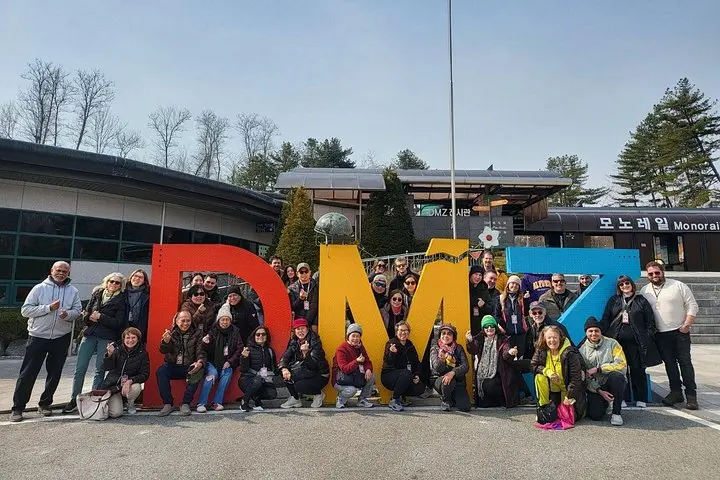
Walk the fine line between recent history and quiet nature on a full-day DMZ tour to Majang Lake. See Dora Observatory, the Third Tunnel, Dorasan Station, and cross a glass-section suspension bridge that frames the lake and borderlands.
Walk the fine line between recent history and quiet nature on a full-day DMZ tour to Majang Lake. See Dora Observatory, the Third Tunnel, Dorasan Station, and cross a glass-section suspension bridge that frames the lake and borderlands.
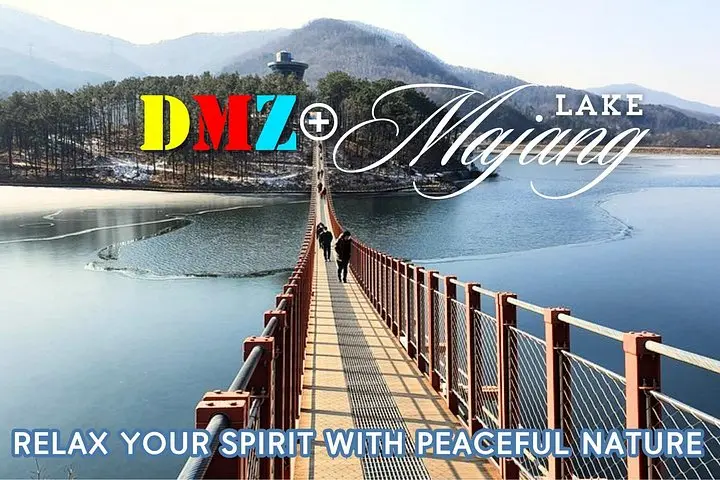
A low, cool wind moves across Majang Lake as the suspension bridge begins to sway underfoot; the glass-planked section clicks and the water below flashes like a held breath. On this full-day circuit from Seoul, visitors step between wartime history and quiet forested shoreline — a tour that stitches Imjingak’s memorial plazas to the military edges at Dora Observatory and Dorasan Station.
Verified experiences and guided adventures in the surrounding area.
Operated by Cosmojin Agency · Paju, Gyeonggi-do
A low, cool wind moves across Majang Lake as the suspension bridge begins to sway underfoot; the glass-planked section clicks and the water below flashes like a held breath. On this full-day circuit from Seoul, visitors step between wartime history and quiet forested shoreline — a tour that stitches Imjingak’s memorial plazas to the military edges at Dora Observatory and Dorasan Station.
The route traces modern Korean history: the armistice that froze the peninsula in 1953, the Third Infiltration Tunnel dug beneath the DMZ, and railway platforms built with hope but never used for reunified service. Geologically the region is low rolling hills carved by the Imjin River; Majang Lake itself sits in an artificial basin ringed by mixed pine and deciduous forest that flashes gold in autumn and emerald in summer.
Culturally the tour balances solemn memorials with everyday life in Paju—markets, ginseng shops, and roadside stalls still shaped by proximity to the border. Nature asserts itself too: migratory birds and river reeds push back the strict lines of military maps, and the suspension bridge offers one of the clearest waterline views in the area.
Practical guide: bring your passport for ID checks, wear sturdy walking shoes for mixed terrain and steps, and plan for crowds on weekends at the bridge. Expect multiple short walks and security stops, intermittent views of the North from Dora Observatory, and a 7–10 hour itinerary dependent on local conditions. Hydrate, layer for wind off the lake, and follow guide instructions in restricted zones.
Yes—passports are required for military ID checks and to enter DMZ-controlled sites; bring the same ID used to book the tour.
No—tours visit observation points where North Korea is visible, but crossing the border is not permitted.
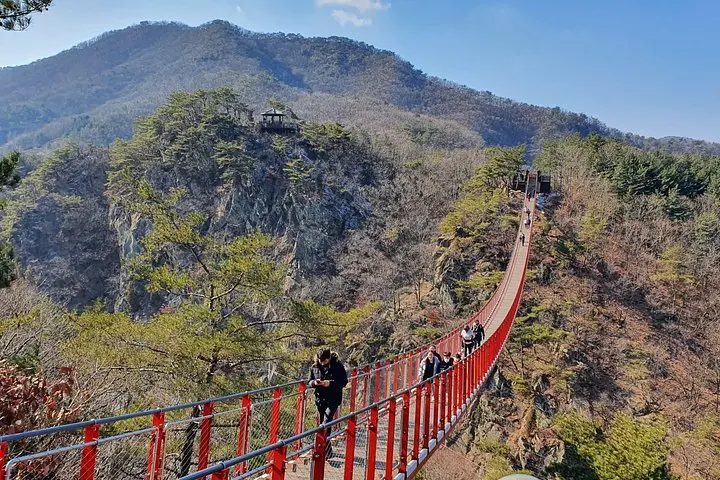
The bridge is structurally safe but includes a bulletproof glass section and can sway; not recommended for travelers with severe mobility issues or spinal conditions.
Yes—there are restrooms at major stops and brief breaks for snacks; bring small cash for local stalls and souvenir shops.
Cosmojin Agency operates guided outdoor trips and adventures with an emphasis on safety, stewardship, and memorable experiences.

A low, cool wind moves across Majang Lake as the suspension bridge begins to sway underfoot; the glass-planked section clicks and the water below flashes like a held breath. On this full-day circuit from Seoul, visitors step between wartime history and quiet forested shoreline — a tour that stitches Imjingak’s memorial plazas to the military edges at Dora Observatory and Dorasan Station.
A low, cool wind moves across Majang Lake as the suspension bridge begins to sway underfoot; the glass-planked section clicks and the water below flashes like a held breath. On this full-day circuit from Seoul, visitors step between wartime history and quiet forested shoreline — a tour that stitches Imjingak’s memorial plazas to the military edges at Dora Observatory and Dorasan Station.
The route traces modern Korean history: the armistice that froze the peninsula in 1953, the Third Infiltration Tunnel dug beneath the DMZ, and railway platforms built with hope but never used for reunified service. Geologically the region is low rolling hills carved by the Imjin River; Majang Lake itself sits in an artificial basin ringed by mixed pine and deciduous forest that flashes gold in autumn and emerald in summer.
Culturally the tour balances solemn memorials with everyday life in Paju—markets, ginseng shops, and roadside stalls still shaped by proximity to the border. Nature asserts itself too: migratory birds and river reeds push back the strict lines of military maps, and the suspension bridge offers one of the clearest waterline views in the area.
Practical guide: bring your passport for ID checks, wear sturdy walking shoes for mixed terrain and steps, and plan for crowds on weekends at the bridge. Expect multiple short walks and security stops, intermittent views of the North from Dora Observatory, and a 7–10 hour itinerary dependent on local conditions. Hydrate, layer for wind off the lake, and follow guide instructions in restricted zones.