THE ADVENTURE COLLECTIVE® · Independent discovery and booking for outdoor travel

Stand at the edge of a divided peninsula: visit Imjingak, descend the 3rd Tunnel, peer across the DMZ from Dora Observatory, and hear firsthand testimony at the North Korea Experience Hall. This guided day tour blends hard history with direct human stories for a sobering, informative experience.
Stand at the edge of a divided peninsula: visit Imjingak, descend the 3rd Tunnel, peer across the DMZ from Dora Observatory, and hear firsthand testimony at the North Korea Experience Hall. This guided day tour blends hard history with direct human stories for a sobering, informative experience.
A cold wind moves across the grassy slope of Imjingak Peace Park, pinwheels clacking like a low drumbeat as the group assembles beneath the giant unification monuments. From the pavilion the route pushes north—through controlled checkpoints, past monuments that mark decades of tension, and to vantage points where fences and fields separate two very different worlds.
Verified experiences and guided adventures in the surrounding area.
Operated by Sunny Seoul Korea Tour · Paju, Gyeonggi-do
A cold wind moves across the grassy slope of Imjingak Peace Park, pinwheels clacking like a low drumbeat as the group assembles beneath the giant unification monuments. From the pavilion the route pushes north—through controlled checkpoints, past monuments that mark decades of tension, and to vantage points where fences and fields separate two very different worlds.
The itinerary threads modern history and material evidence of the peninsula’s division. Imjingak grew around post-war memorials and public gatherings; the 3rd Tunnel—discovered in 1978—reveals the engineering logic behind infiltration tunnels with a narrow, low-ceilinged shaft that forces visitors to stoop and measure the scale of a military contingency. Dora Observatory gives line-of-sight to North Korean farmland and the distant city of Kaesong, offering geology of rolling lowlands and river-fed plains that feed both sides.
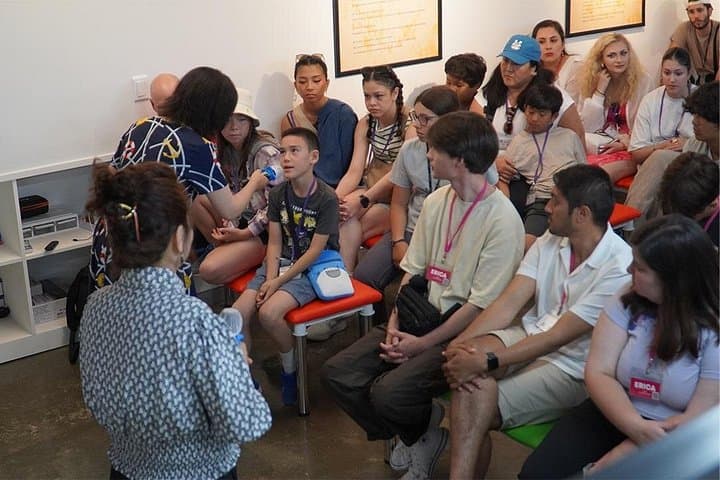
Cultural context comes at the North Korea Experience Hall, where curated exhibits and a live Q&A with a defector translate statistics into daily rhythms—food, schooling, work—grounding abstract geopolitics in human detail.
Practicalities: tours depart from Imjingak and typically last 7–8 hours. Identification (passport or ARC) is mandatory, cameras are restricted in some zones, and parts of the tour require descending stairs and walking on uneven surfaces. Dress respectfully, bring water, and expect security checks and time limits at each stop. For photographers, bring a telephoto lens for the Observatory views; for the tunnel, sturdy shoes and good knees. The program balances education and observation—this is a close-up, regulated encounter with living history, not free exploration.
Yes—original government-issued identification (passport or Alien Registration Card) is required for all visitors and checked at multiple points.
Infants can join but must sit on laps; the tour is not recommended for pregnant travelers or people with serious heart or spinal conditions.
No—Dora Observatory and the tunnel require guided-access through authorized DMZ tours that manage security and reservations.
Yes—this tour includes private, air-conditioned transportation from Imjingak and an English-speaking guide; check pickup details when booking.
Sunny Seoul Korea Tour operates guided outdoor trips and adventures with an emphasis on safety, stewardship, and memorable experiences.
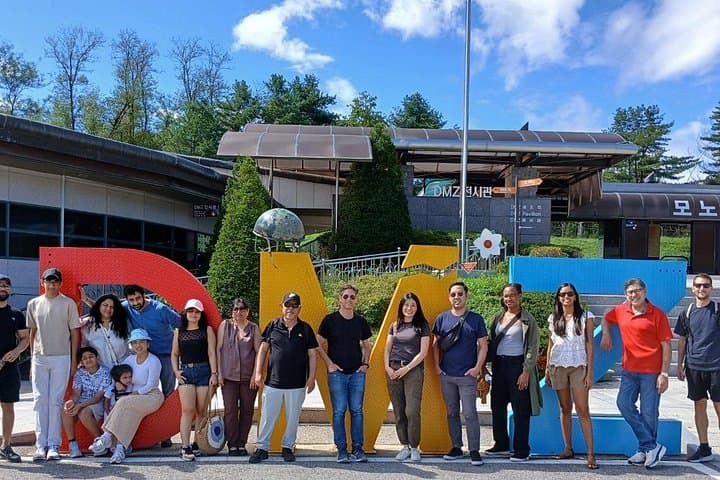
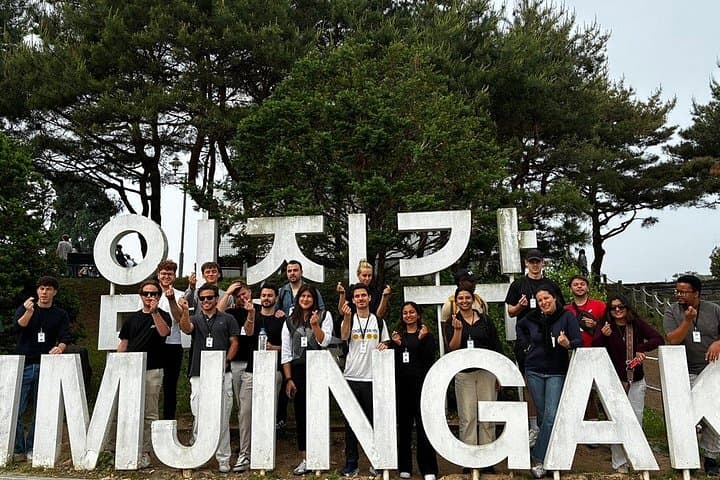

A cold wind moves across the grassy slope of Imjingak Peace Park, pinwheels clacking like a low drumbeat as the group assembles beneath the giant unification monuments. From the pavilion the route pushes north—through controlled checkpoints, past monuments that mark decades of tension, and to vantage points where fences and fields separate two very different worlds.
A cold wind moves across the grassy slope of Imjingak Peace Park, pinwheels clacking like a low drumbeat as the group assembles beneath the giant unification monuments. From the pavilion the route pushes north—through controlled checkpoints, past monuments that mark decades of tension, and to vantage points where fences and fields separate two very different worlds.
The itinerary threads modern history and material evidence of the peninsula’s division. Imjingak grew around post-war memorials and public gatherings; the 3rd Tunnel—discovered in 1978—reveals the engineering logic behind infiltration tunnels with a narrow, low-ceilinged shaft that forces visitors to stoop and measure the scale of a military contingency. Dora Observatory gives line-of-sight to North Korean farmland and the distant city of Kaesong, offering geology of rolling lowlands and river-fed plains that feed both sides.
Cultural context comes at the North Korea Experience Hall, where curated exhibits and a live Q&A with a defector translate statistics into daily rhythms—food, schooling, work—grounding abstract geopolitics in human detail.
Practicalities: tours depart from Imjingak and typically last 7–8 hours. Identification (passport or ARC) is mandatory, cameras are restricted in some zones, and parts of the tour require descending stairs and walking on uneven surfaces. Dress respectfully, bring water, and expect security checks and time limits at each stop. For photographers, bring a telephoto lens for the Observatory views; for the tunnel, sturdy shoes and good knees. The program balances education and observation—this is a close-up, regulated encounter with living history, not free exploration.