THE ADVENTURE COLLECTIVE® · Independent discovery and booking for outdoor travel

Spend a day tracing the military and human history along Korea’s Demilitarized Zone. This guided DMZ tour from Seoul visits Imjingak, the Bunker Exhibition, the 3rd Infiltration Tunnel and Dora Observatory with English or Spanish commentary.
Spend a day tracing the military and human history along Korea’s Demilitarized Zone. This guided DMZ tour from Seoul visits Imjingak, the Bunker Exhibition, the 3rd Infiltration Tunnel and Dora Observatory with English or Spanish commentary.
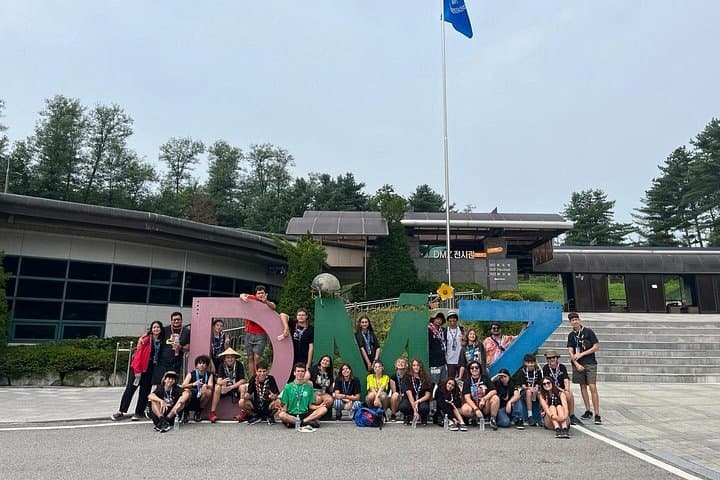
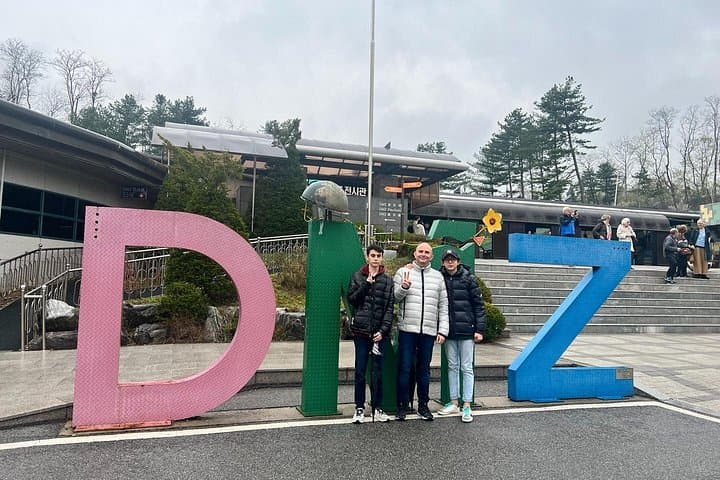
The bus hums away from Seoul and, within an hour and a half, the city’s glass and traffic noise thin into a wind that seems to keep watch over a divided landscape. At Imjingak Park the cracked concrete of memorials and the stretch of open field give the DMZ a blunt, public face—history made visible and raw.
Verified experiences and guided adventures in the surrounding area.
Operated by Unni Tour · Paju, Gyeonggi-do
The bus hums away from Seoul and, within an hour and a half, the city’s glass and traffic noise thin into a wind that seems to keep watch over a divided landscape. At Imjingak Park the cracked concrete of memorials and the stretch of open field give the DMZ a blunt, public face—history made visible and raw.
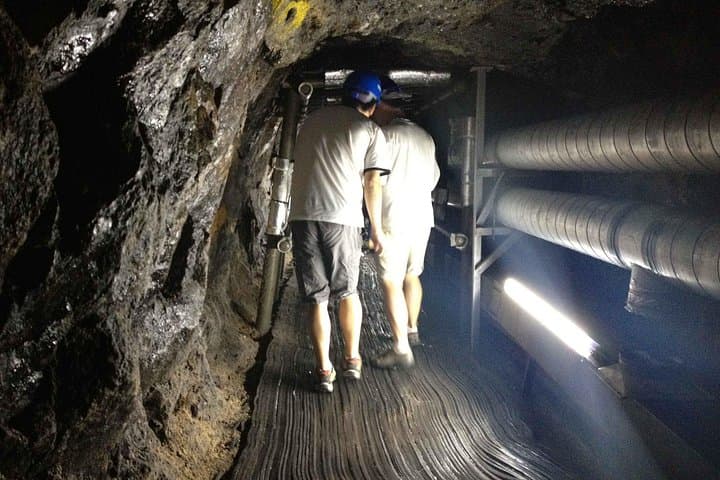
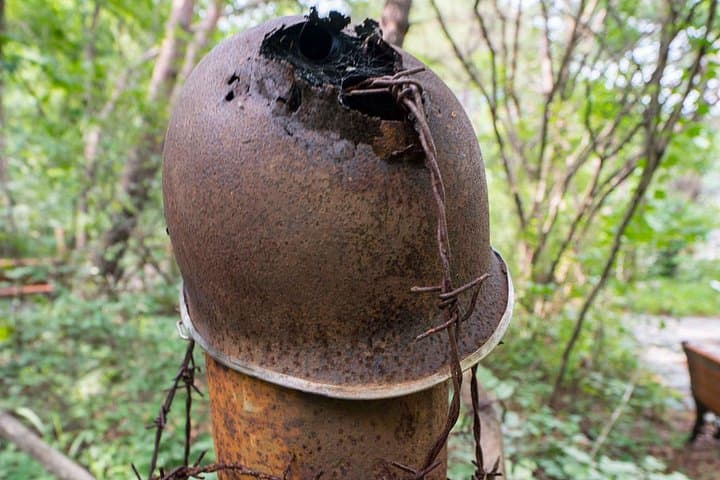
This one-day excursion threads through Cold War landmarks: Imjingak’s monuments for separated families, the Bunker Exhibition with wartime artifacts and personal stories, the claustrophobic cut of the 3rd Infiltration Tunnel, and the Dora Observatory where scopes reveal a quiet, fenced North Korea. Geologically the area sits on the low rolling hills of Gyeonggi-do, shaped by river valleys that once eased travel between peninsulas; culturally it’s a place where modern Korea displays both grief and a guarded hope for reunification.
Guides fluent in English or Spanish contextualize artifacts, explain the Armistice Line set in 1953, and point out Dorasan Station as a symbol of potential reconnection. The tour balances walking, short exhibits, and bus transfers—expect several stair sections and security checks.
Practical tips: bring your passport and keep photography rules in mind at military sites, carry water and layered clothing for variable winds on observation platforms, and allow a full day—roughly eight to nine hours including transit. For travelers who want history grounded in landscape, the DMZ tour is direct, immersive, and carefully managed.
Yes—an original passport is required for security checks and must be presented at the DMZ checkpoint.
Photography is restricted in parts of the tunnel and near active military positions; guides will advise where photos are permitted.
The tour is family-friendly but involves stairs and some walking; travelers with serious mobility concerns should check accessibility and notify the operator in advance.
There are limited facilities at some stops; the tour typically includes a break for snacks or a short lunch—bring cash or small snacks just in case.
Unni Tour operates guided outdoor trips and adventures with an emphasis on safety, stewardship, and memorable experiences.
The bus hums away from Seoul and, within an hour and a half, the city’s glass and traffic noise thin into a wind that seems to keep watch over a divided landscape. At Imjingak Park the cracked concrete of memorials and the stretch of open field give the DMZ a blunt, public face—history made visible and raw.
The bus hums away from Seoul and, within an hour and a half, the city’s glass and traffic noise thin into a wind that seems to keep watch over a divided landscape. At Imjingak Park the cracked concrete of memorials and the stretch of open field give the DMZ a blunt, public face—history made visible and raw.
This one-day excursion threads through Cold War landmarks: Imjingak’s monuments for separated families, the Bunker Exhibition with wartime artifacts and personal stories, the claustrophobic cut of the 3rd Infiltration Tunnel, and the Dora Observatory where scopes reveal a quiet, fenced North Korea. Geologically the area sits on the low rolling hills of Gyeonggi-do, shaped by river valleys that once eased travel between peninsulas; culturally it’s a place where modern Korea displays both grief and a guarded hope for reunification.
Guides fluent in English or Spanish contextualize artifacts, explain the Armistice Line set in 1953, and point out Dorasan Station as a symbol of potential reconnection. The tour balances walking, short exhibits, and bus transfers—expect several stair sections and security checks.
Practical tips: bring your passport and keep photography rules in mind at military sites, carry water and layered clothing for variable winds on observation platforms, and allow a full day—roughly eight to nine hours including transit. For travelers who want history grounded in landscape, the DMZ tour is direct, immersive, and carefully managed.