THE ADVENTURE COLLECTIVE® · Independent discovery and booking for outdoor travel

Turn a long layover into a moving, efficient visit to the Korean Demilitarized Zone. This private tour from Incheon takes you to Dora Observatory, the Third Tunnel, Imjingak and Unification Village with a knowledgeable local guide.
Turn a long layover into a moving, efficient visit to the Korean Demilitarized Zone. This private tour from Incheon takes you to Dora Observatory, the Third Tunnel, Imjingak and Unification Village with a knowledgeable local guide.
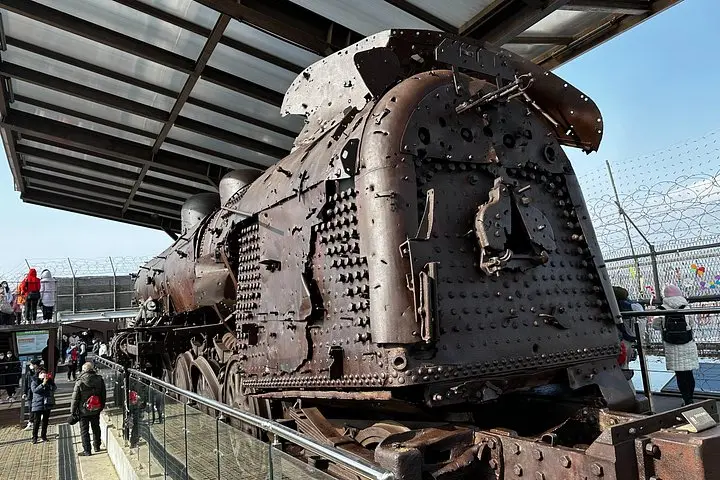
You step off the plane and, within an hour, the hum of airport logistics is replaced by a different tension: a landscape where rivers and ridgelines mark a divided nation. The tour threads from Incheon across the low hills toward Paju, where wind-swept fields open to Imjingak Peace Nuri Park and the Freedom Bridge — places that hold the physical traces of the Korean War and the hope for reunification.
Verified experiences and guided adventures in the surrounding area.
Operated by ESC TRAVEL · Paju, Gyeonggi-do
You step off the plane and, within an hour, the hum of airport logistics is replaced by a different tension: a landscape where rivers and ridgelines mark a divided nation. The tour threads from Incheon across the low hills toward Paju, where wind-swept fields open to Imjingak Peace Nuri Park and the Freedom Bridge — places that hold the physical traces of the Korean War and the hope for reunification.
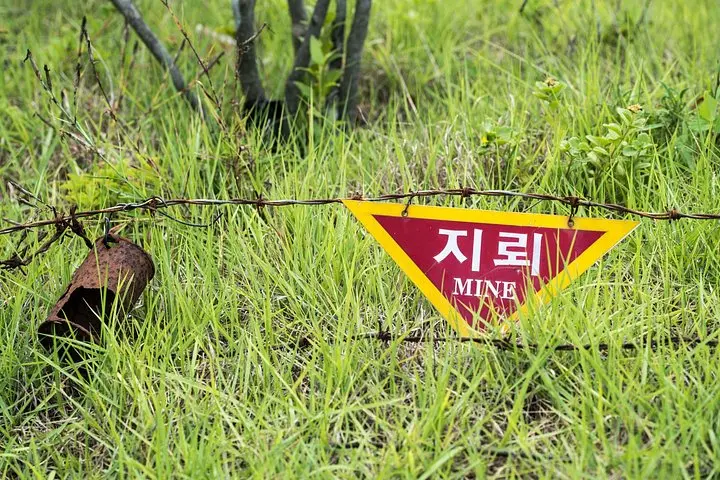
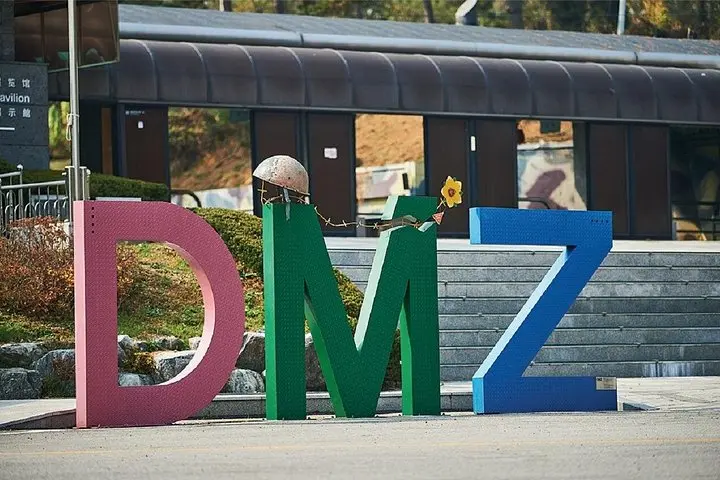
History here is raw and recent. The Third Infiltration Tunnel, discovered in 1978, runs more than 1.6 kilometers toward Seoul and is a stark Cold War relic you can walk into wearing a hard hat. Dora Observatory perches on Mount Dora, a modest climb to a concrete platform where binoculars frame Kaesong and propaganda villages across the DMZ. Tongilchon (Unification Village) and Odusan Unification Tower add human-scale stories: farmers, small markets, and memorials that trace civilian life near a militarized border.
Geology is simple: low ridges, river terraces of the Han, and soils shaped by millennia of seasonal floods — a landscape that made borders both visible and strategic. Local cafés near Paju serve warm soybean dishes and ginseng snacks that cut through the cold wind.
Practical guidance: allow 7–8 hours, bring passport and photocopy for DMZ checkpoints, wear comfortable shoes for short walks and a helmet in the tunnel, and expect controlled photography rules and ID checks. This itinerary is compact but reflective — best for travelers with a tight schedule who can move deliberately through history rather than rush it.
Yes — all visitors must present a valid passport for military checkpoint clearance and entrance to DMZ sites.
Expect short, moderate walks: descending ramps in the Third Tunnel and climbing to observatory platforms — nothing technical, but you should be steady on your feet.
Photography is permitted at many lookout points, but certain military areas restrict images; follow your guide and posted signs.
Yes — the tour is designed for layovers, typically 7–8 hours including transport; allow extra buffer for immigration and possible delays.
ESC TRAVEL operates guided outdoor trips and adventures with an emphasis on safety, stewardship, and memorable experiences.
You step off the plane and, within an hour, the hum of airport logistics is replaced by a different tension: a landscape where rivers and ridgelines mark a divided nation. The tour threads from Incheon across the low hills toward Paju, where wind-swept fields open to Imjingak Peace Nuri Park and the Freedom Bridge — places that hold the physical traces of the Korean War and the hope for reunification.
You step off the plane and, within an hour, the hum of airport logistics is replaced by a different tension: a landscape where rivers and ridgelines mark a divided nation. The tour threads from Incheon across the low hills toward Paju, where wind-swept fields open to Imjingak Peace Nuri Park and the Freedom Bridge — places that hold the physical traces of the Korean War and the hope for reunification.
History here is raw and recent. The Third Infiltration Tunnel, discovered in 1978, runs more than 1.6 kilometers toward Seoul and is a stark Cold War relic you can walk into wearing a hard hat. Dora Observatory perches on Mount Dora, a modest climb to a concrete platform where binoculars frame Kaesong and propaganda villages across the DMZ. Tongilchon (Unification Village) and Odusan Unification Tower add human-scale stories: farmers, small markets, and memorials that trace civilian life near a militarized border.
Geology is simple: low ridges, river terraces of the Han, and soils shaped by millennia of seasonal floods — a landscape that made borders both visible and strategic. Local cafés near Paju serve warm soybean dishes and ginseng snacks that cut through the cold wind.
Practical guidance: allow 7–8 hours, bring passport and photocopy for DMZ checkpoints, wear comfortable shoes for short walks and a helmet in the tunnel, and expect controlled photography rules and ID checks. This itinerary is compact but reflective — best for travelers with a tight schedule who can move deliberately through history rather than rush it.