THE ADVENTURE COLLECTIVE® · Independent discovery and booking for outdoor travel

A focused day tour from Seoul that visits Imjingak, the 3rd Infiltration Tunnel and Dora Observatory to view the Korean Demilitarized Zone. Practical, guided, and requiring a passport for military-area access.
A focused day tour from Seoul that visits Imjingak, the 3rd Infiltration Tunnel and Dora Observatory to view the Korean Demilitarized Zone. Practical, guided, and requiring a passport for military-area access.
The coach hums out of Seoul and the city’s glass and steel give way to low farms and barbed wire—by midmorning you’re at Imjingak, the staging ground where families once gathered to watch the north.
Verified experiences and guided adventures in the surrounding area.
Operated by Top Korea Tour · Paju, Gyeonggi-do
The coach hums out of Seoul and the city’s glass and steel give way to low farms and barbed wire—by midmorning you’re at Imjingak, the staging ground where families once gathered to watch the north.
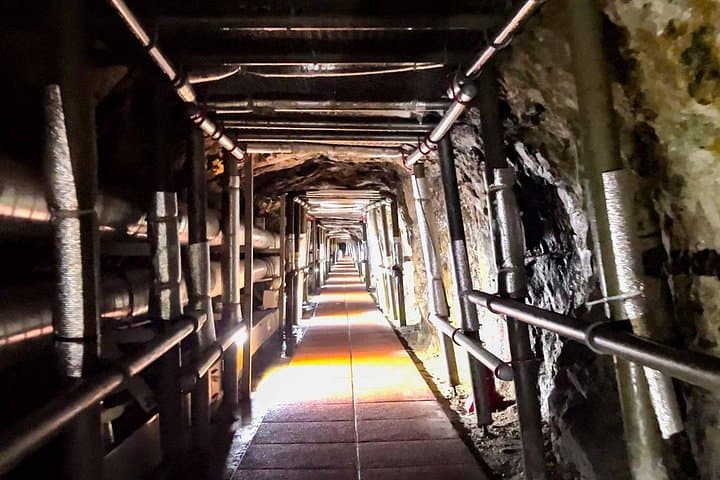
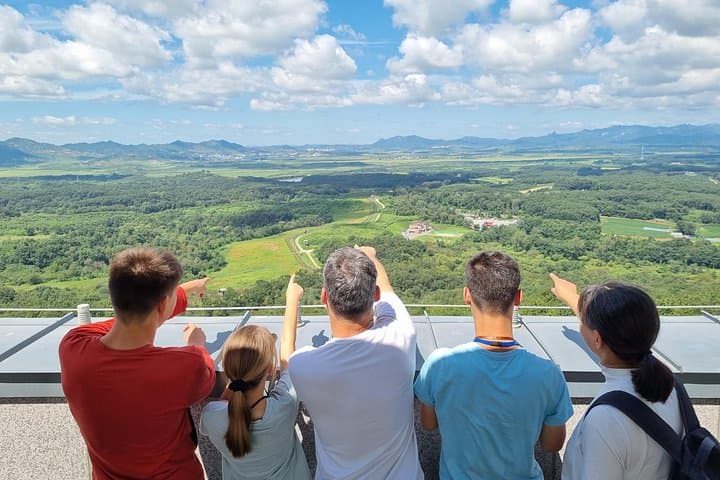
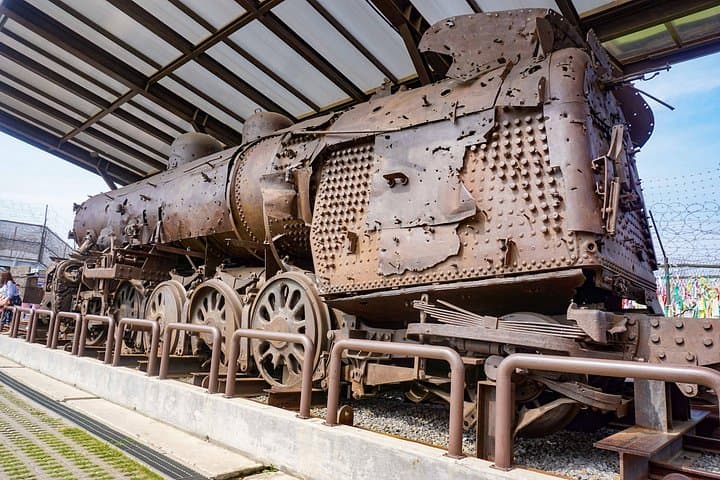
This private DMZ tour focuses on tangible traces of the peninsula’s division: Imjingak’s Freedom Bridge and rusting locomotive, the descent into the 3rd Infiltration Tunnel, and the Dora Observatory’s binocular-framed view over a fortified border. The tour places you at the edge of a Cold War landscape shaped by 1950s geopolitics and the 1953 armistice that froze a 250 km demarcation line through hills and rivers.
Geology here is honest and simple—granite ridges and river valleys split by military roads—while culture is present in memorials, defector testimonies and the small Unification Village market where local vendors sell souvenirs and instant noodles. The visit to a museum and an interview with a defector adds human context to the concrete facts.
Practically: expect a 7–8 hour outing with multiple short walks, stairs inside the tunnel, and observation points kept outside the DMZ proper. Bring your passport for military checkpoints; wear sturdy shoes for the tunnel descent and layered clothing for exposed overlooks. Photography is allowed at most stops but restricted in specific areas—follow guides and posted signs.
Timing matters: mornings often give clearer views across the border; public buses are available but this tour’s hotel pickup removes transport hassle. The route balances history, restrained drama and a clear-eyed look at a living border.
Yes. Passport is required to enter the military-controlled areas and must be carried for ID checks.
No. This tour visits areas outside the DMZ line—Dora Observatory and the 3rd Tunnel—not the JSA; JSA access requires a separate permit and tour.
Yes—visitors walk on maintained steps within the tunnel; however it can be narrow and involves a descent so it’s not recommended for claustrophobic visitors.
The tour runs about 7–8 hours (420–480 minutes) and includes hotel pickup and drop-off within designated Seoul pickup zones.
Top Korea Tour operates guided outdoor trips and adventures with an emphasis on safety, stewardship, and memorable experiences.

The coach hums out of Seoul and the city’s glass and steel give way to low farms and barbed wire—by midmorning you’re at Imjingak, the staging ground where families once gathered to watch the north.
The coach hums out of Seoul and the city’s glass and steel give way to low farms and barbed wire—by midmorning you’re at Imjingak, the staging ground where families once gathered to watch the north.
This private DMZ tour focuses on tangible traces of the peninsula’s division: Imjingak’s Freedom Bridge and rusting locomotive, the descent into the 3rd Infiltration Tunnel, and the Dora Observatory’s binocular-framed view over a fortified border. The tour places you at the edge of a Cold War landscape shaped by 1950s geopolitics and the 1953 armistice that froze a 250 km demarcation line through hills and rivers.
Geology here is honest and simple—granite ridges and river valleys split by military roads—while culture is present in memorials, defector testimonies and the small Unification Village market where local vendors sell souvenirs and instant noodles. The visit to a museum and an interview with a defector adds human context to the concrete facts.
Practically: expect a 7–8 hour outing with multiple short walks, stairs inside the tunnel, and observation points kept outside the DMZ proper. Bring your passport for military checkpoints; wear sturdy shoes for the tunnel descent and layered clothing for exposed overlooks. Photography is allowed at most stops but restricted in specific areas—follow guides and posted signs.
Timing matters: mornings often give clearer views across the border; public buses are available but this tour’s hotel pickup removes transport hassle. The route balances history, restrained drama and a clear-eyed look at a living border.