THE ADVENTURE COLLECTIVE® · Independent discovery and booking for outdoor travel

A practical, full‑day shuttle from Seoul to the DMZ takes you to Dora Observatory, the Third Tunnel and Imjingak Park. Expect security checks, an extra admission fee, and 8–10 hours of guided historical and landscape exploration.
A practical, full‑day shuttle from Seoul to the DMZ takes you to Dora Observatory, the Third Tunnel and Imjingak Park. Expect security checks, an extra admission fee, and 8–10 hours of guided historical and landscape exploration.
The bus pulls away from Seoul before dawn and the city’s glass facades blur into rice paddies and low hills that now hold a quiet, uneasy history. By the time you reach Imjingak and the DMZ access points, the road feels like a border between two eras: one wartime and one curiously ordinary.
Verified experiences and guided adventures in the surrounding area.
Operated by Cosmojin Agency · Paju, Gyeonggi-do
The bus pulls away from Seoul before dawn and the city’s glass facades blur into rice paddies and low hills that now hold a quiet, uneasy history. By the time you reach Imjingak and the DMZ access points, the road feels like a border between two eras: one wartime and one curiously ordinary.
This full-day shuttle covers the DMZ’s visible highlights: Imjingak Park’s monuments, the Third Infiltration Tunnel excavated in the 1970s, Dora Observatory with its distant line of markers and North Korean villages, the Dokgae Bridge, Pyeonghwa Nuri Park and the Beat 131 bunker exhibit. The landscape here is young geology — gently rolling alluvial plains giving way to ridgelines that once funneled movement across the peninsula — and a human geography shaped by the 1953 armistice that froze borders and stories.
Beyond history, the area offers surprising pockets of quiet: tall grasses and scrub woods that now reclaim military track, and rivers that push against bridges and crossings. Local guides provide concise, security‑aware interpretation; certain spots prohibit photography and require ID and modest behavior.
Practical notes: the typical itinerary runs 8–10 hours from Seoul, with an additional US$10 admission fee; passport is mandatory and expect security checks. Wear sturdy walking shoes for uneven tunnel ramps and observation platforms, bring water and layers for wind on exposed viewpoints, and leave large bags behind — the shuttle is designed for light, straightforward touring. For travelers looking to pair history with a straightforward outdoor day, this shuttle is a direct, affordable way to see one of the world’s most unusual borders.
The shuttle tour runs about 8–10 hours round trip from Seoul, depending on local conditions and site access.
Admission to some DMZ sites is typically an extra fee of about US$10 in addition to the tour price—confirm at booking.
Yes — a valid passport is required for DMZ entry and will be checked at security checkpoints.
No — certain observation points and facilities prohibit photography; follow guide instructions and posted rules.
Cosmojin Agency operates guided outdoor trips and adventures with an emphasis on safety, stewardship, and memorable experiences.
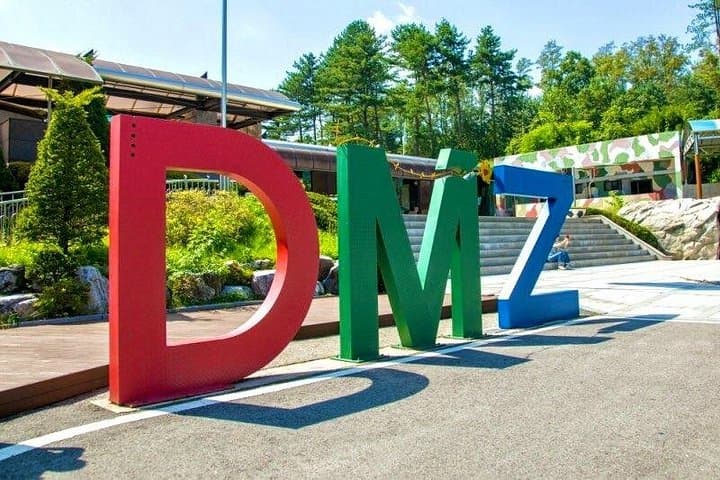
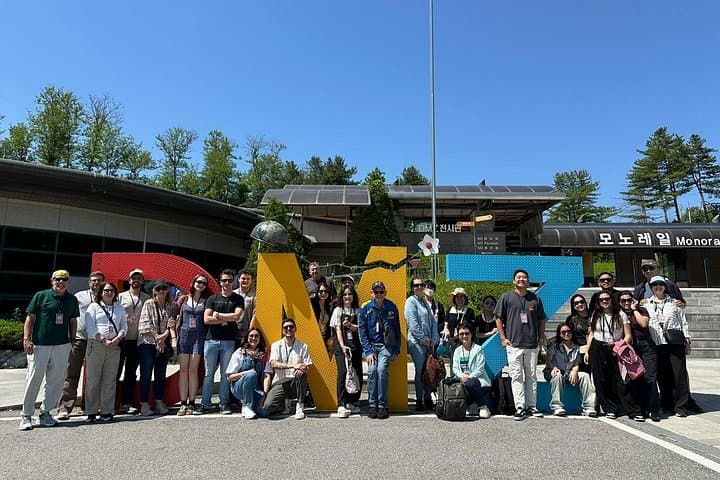
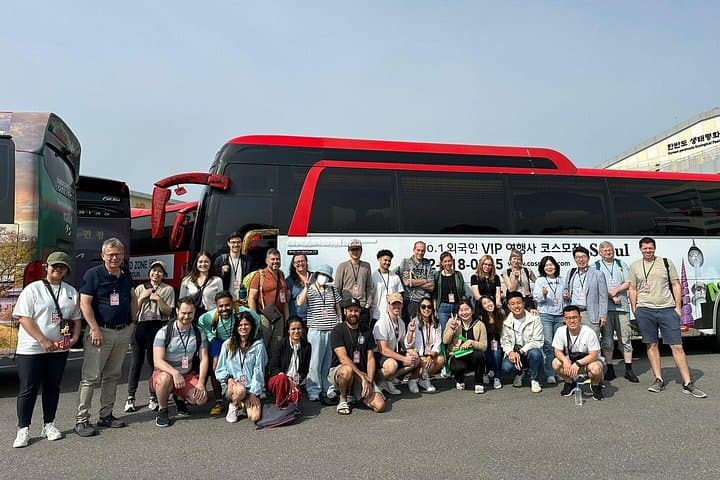
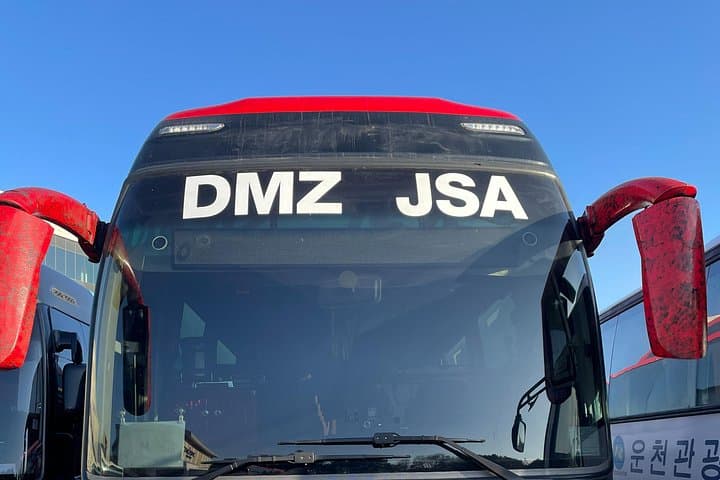
The bus pulls away from Seoul before dawn and the city’s glass facades blur into rice paddies and low hills that now hold a quiet, uneasy history. By the time you reach Imjingak and the DMZ access points, the road feels like a border between two eras: one wartime and one curiously ordinary.
The bus pulls away from Seoul before dawn and the city’s glass facades blur into rice paddies and low hills that now hold a quiet, uneasy history. By the time you reach Imjingak and the DMZ access points, the road feels like a border between two eras: one wartime and one curiously ordinary.
This full-day shuttle covers the DMZ’s visible highlights: Imjingak Park’s monuments, the Third Infiltration Tunnel excavated in the 1970s, Dora Observatory with its distant line of markers and North Korean villages, the Dokgae Bridge, Pyeonghwa Nuri Park and the Beat 131 bunker exhibit. The landscape here is young geology — gently rolling alluvial plains giving way to ridgelines that once funneled movement across the peninsula — and a human geography shaped by the 1953 armistice that froze borders and stories.
Beyond history, the area offers surprising pockets of quiet: tall grasses and scrub woods that now reclaim military track, and rivers that push against bridges and crossings. Local guides provide concise, security‑aware interpretation; certain spots prohibit photography and require ID and modest behavior.
Practical notes: the typical itinerary runs 8–10 hours from Seoul, with an additional US$10 admission fee; passport is mandatory and expect security checks. Wear sturdy walking shoes for uneven tunnel ramps and observation platforms, bring water and layers for wind on exposed viewpoints, and leave large bags behind — the shuttle is designed for light, straightforward touring. For travelers looking to pair history with a straightforward outdoor day, this shuttle is a direct, affordable way to see one of the world’s most unusual borders.