THE ADVENTURE COLLECTIVE® · Independent discovery and booking for outdoor travel

Descend into the Third Infiltration Tunnel, peer across the border at Dora Observatory and sample North Korean-style cold noodles on a full-day DMZ tour from Seoul. Expect strict security, steep steps and commanding historical context.
Descend into the Third Infiltration Tunnel, peer across the border at Dora Observatory and sample North Korean-style cold noodles on a full-day DMZ tour from Seoul. Expect strict security, steep steps and commanding historical context.
You step off the bus into a wind that seems to carry history itself — sharp and uncompromising — and the concrete memorials of Imjingak rise ahead. The day stretches between observation platforms and subterranean passages: a descent into the Third Infiltration Tunnel, a long look through binoculars at the North from Dora Observatory, and an unexpected pause to taste Pyongyang-style cold noodles that feel like an edible piece of the peninsula’s story.
Verified experiences and guided adventures in the surrounding area.
Operated by Cosmojin Agency · Paju, Gyeonggi-do
You step off the bus into a wind that seems to carry history itself — sharp and uncompromising — and the concrete memorials of Imjingak rise ahead. The day stretches between observation platforms and subterranean passages: a descent into the Third Infiltration Tunnel, a long look through binoculars at the North from Dora Observatory, and an unexpected pause to taste Pyongyang-style cold noodles that feel like an edible piece of the peninsula’s story.
The DMZ’s scars are modern: trenches, watchtowers and the tunnels discovered in the 1970s that cut across the ceasefire line. The Third Tunnel, identified in 1978, extends roughly 435 meters past the Military Demarcation Line and was large enough on paper to move tens of thousands of troops per hour — a stark engineering fact set against the everyday geography of the Imjin River valley.
Culturally the route threads memorials and propaganda features: Imjingak’s Freedom Bridge and the steam locomotive smokestack, Dora’s view of Kaesong and its staged “propaganda village,” and Dorasan Station — a railhead with symbolic hopes for reconnection.
Practical guidance: bring a passport and be prepared for strict photo and movement rules; the Third Tunnel requires a steep, forward-leaning descent and uneven steps. Expect an 8–10 hour outing with a professional guide, bus transfers and a boxed or cafeteria-style lunch. Wear closed-toe shoes, layers against wind on observation decks, and allow extra time for security checks — the tour can be altered or cancelled for military activity. Follow the guide’s instructions closely; respect restricted zones and ceremonial sites.
Yes — your original passport is required for ID checks and entry into restricted DMZ areas; photocopies are not accepted.
Photography is allowed in some public areas but restricted in many DMZ zones and inside military facilities; follow your guide and posted signs.
No — the Third Tunnel involves a steep, narrow stair descent and is not wheelchair accessible; travelers should be comfortable with bending and stairs.
Tours can be cancelled or altered without notice for military exercises; cancellation policy typically allows a full refund if made 24 hours prior, but same-day cancellations may not be refundable.
Cosmojin Agency operates guided outdoor trips and adventures with an emphasis on safety, stewardship, and memorable experiences.

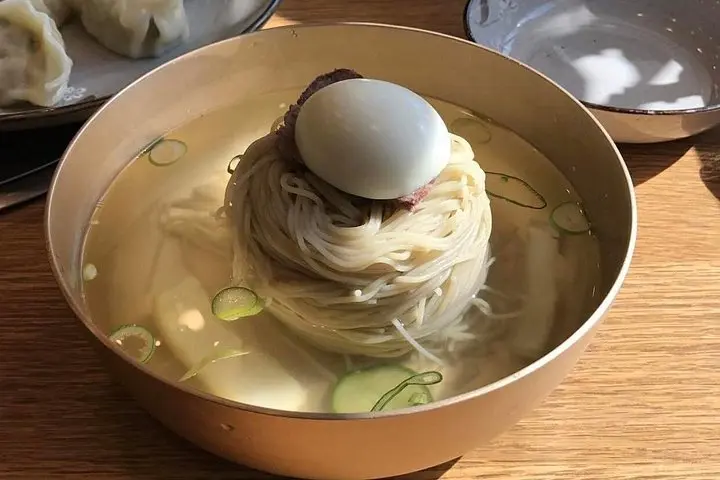
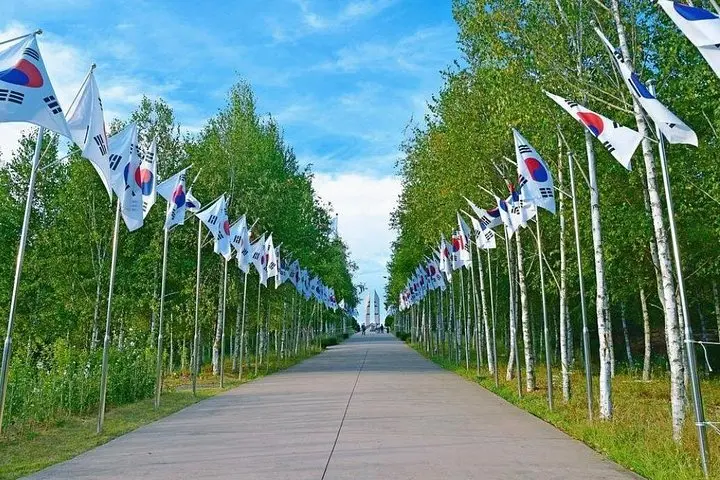

You step off the bus into a wind that seems to carry history itself — sharp and uncompromising — and the concrete memorials of Imjingak rise ahead. The day stretches between observation platforms and subterranean passages: a descent into the Third Infiltration Tunnel, a long look through binoculars at the North from Dora Observatory, and an unexpected pause to taste Pyongyang-style cold noodles that feel like an edible piece of the peninsula’s story.
You step off the bus into a wind that seems to carry history itself — sharp and uncompromising — and the concrete memorials of Imjingak rise ahead. The day stretches between observation platforms and subterranean passages: a descent into the Third Infiltration Tunnel, a long look through binoculars at the North from Dora Observatory, and an unexpected pause to taste Pyongyang-style cold noodles that feel like an edible piece of the peninsula’s story.
The DMZ’s scars are modern: trenches, watchtowers and the tunnels discovered in the 1970s that cut across the ceasefire line. The Third Tunnel, identified in 1978, extends roughly 435 meters past the Military Demarcation Line and was large enough on paper to move tens of thousands of troops per hour — a stark engineering fact set against the everyday geography of the Imjin River valley.
Culturally the route threads memorials and propaganda features: Imjingak’s Freedom Bridge and the steam locomotive smokestack, Dora’s view of Kaesong and its staged “propaganda village,” and Dorasan Station — a railhead with symbolic hopes for reconnection.
Practical guidance: bring a passport and be prepared for strict photo and movement rules; the Third Tunnel requires a steep, forward-leaning descent and uneven steps. Expect an 8–10 hour outing with a professional guide, bus transfers and a boxed or cafeteria-style lunch. Wear closed-toe shoes, layers against wind on observation decks, and allow extra time for security checks — the tour can be altered or cancelled for military activity. Follow the guide’s instructions closely; respect restricted zones and ceremonial sites.