THE ADVENTURE COLLECTIVE® · Independent discovery and booking for outdoor travel

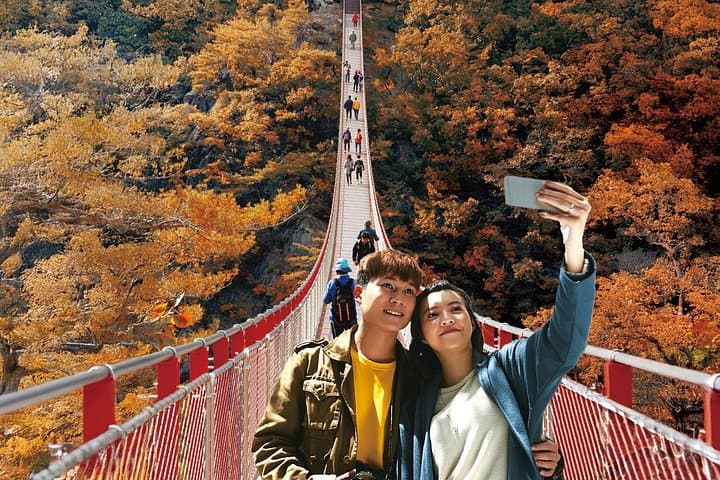
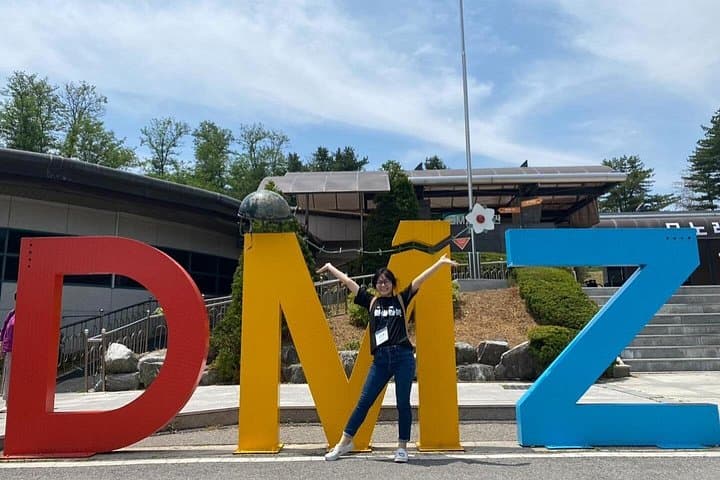
Ride the Peace Gondola above the Imjin River, walk the dim corridor of the Third Tunnel, and finish with a ridge hike to Gamaksan’s suspension bridge. This full-day DMZ tour blends history, clear views into North Korea, and an accessible mountain walk.
Ride the Peace Gondola above the Imjin River, walk the dim corridor of the Third Tunnel, and finish with a ridge hike to Gamaksan’s suspension bridge. This full-day DMZ tour blends history, clear views into North Korea, and an accessible mountain walk.
You step off the bus where the road thins and the horizon opens into a guarded boundary—steel fences, concrete observation posts and a river that seems to hesitate at the line between two states. From the Peace Gondola you ride above the Imjin River; the cables hum and the valley lays out like a map of tensions and quiet forests. The tour moves from memorials at Imjingak to the cool, claustrophobic corridor of the Third Tunnel, and finishes by trading metal and mortar for the wind-swept ridge of Gamaksan.
Verified experiences and guided adventures in the surrounding area.
Operated by Lecirt · Paju, Gyeonggi-do
You step off the bus where the road thins and the horizon opens into a guarded boundary—steel fences, concrete observation posts and a river that seems to hesitate at the line between two states. From the Peace Gondola you ride above the Imjin River; the cables hum and the valley lays out like a map of tensions and quiet forests. The tour moves from memorials at Imjingak to the cool, claustrophobic corridor of the Third Tunnel, and finishes by trading metal and mortar for the wind-swept ridge of Gamaksan.
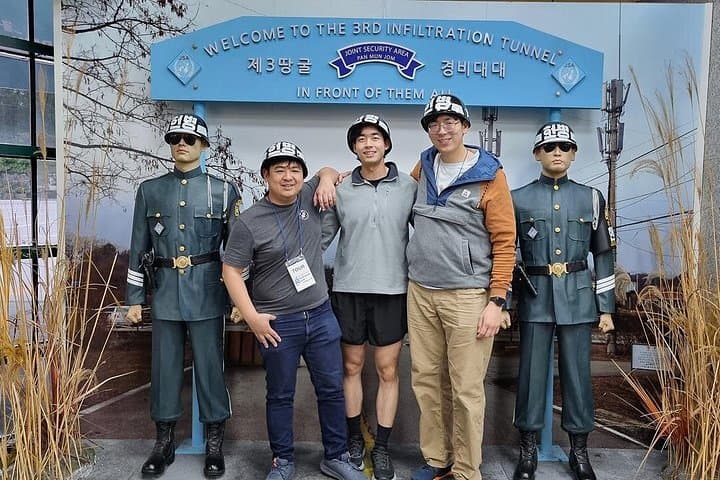
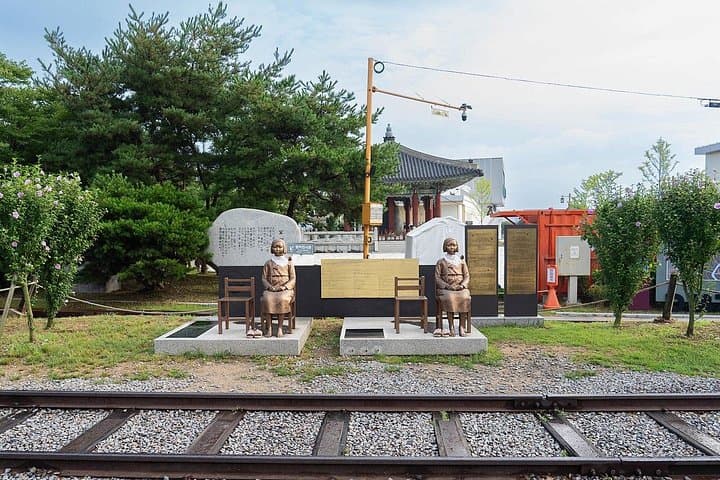
The DMZ exists because the Korean Armistice Agreement of 1953 froze lines of conflict into a 4-km buffer. The Third Tunnel, discovered in 1978, is a blunt reminder of those tensions: drill marks, narrow galleries, and military signage. Geologically the area is low-lying river valley and outcropped ridgelines of Gyeonggi’s folded hills—trail surfaces shift from crushed gravel to exposed roots as you climb Gamaksan to the suspension bridge. Culturally the tour balances memorials and local memory: veterans’ plaques, peace art, and the market stands at Imjingak where older Koreans leave notes for separated families.
Practical guidance: bring your passport and follow the guide’s security briefings—access is strict and photography rules vary. Expect a mostly easy day with short walks, one underground section with low ceilings, and a moderate 30–60 minute climb on Gamaksan with steps and loose rock. Wear sturdy shoes, layer for wind on the ridge, and carry water and sun protection. The payoff is uncommon: a rare, framed view northward and a landscape where history, wildlife and quiet trails intersect.
Yes—your passport is required for security checks and must be carried during the tour.
Yes—Dora Observatory and viewpoints from Gamaksan offer direct views into North Korean territory, though visibility depends on weather and official permissions.
The tunnel walk is short but low-ceilinged and dim; most visitors manage it without issue, but it may be uncomfortable for claustrophobic guests.
Yes—this tour is generally suitable for all ages, but infants must sit on laps and pregnant travelers are advised against participation per operator notes.
Lecirt operates guided outdoor trips and adventures with an emphasis on safety, stewardship, and memorable experiences.
You step off the bus where the road thins and the horizon opens into a guarded boundary—steel fences, concrete observation posts and a river that seems to hesitate at the line between two states. From the Peace Gondola you ride above the Imjin River; the cables hum and the valley lays out like a map of tensions and quiet forests. The tour moves from memorials at Imjingak to the cool, claustrophobic corridor of the Third Tunnel, and finishes by trading metal and mortar for the wind-swept ridge of Gamaksan.
You step off the bus where the road thins and the horizon opens into a guarded boundary—steel fences, concrete observation posts and a river that seems to hesitate at the line between two states. From the Peace Gondola you ride above the Imjin River; the cables hum and the valley lays out like a map of tensions and quiet forests. The tour moves from memorials at Imjingak to the cool, claustrophobic corridor of the Third Tunnel, and finishes by trading metal and mortar for the wind-swept ridge of Gamaksan.
The DMZ exists because the Korean Armistice Agreement of 1953 froze lines of conflict into a 4-km buffer. The Third Tunnel, discovered in 1978, is a blunt reminder of those tensions: drill marks, narrow galleries, and military signage. Geologically the area is low-lying river valley and outcropped ridgelines of Gyeonggi’s folded hills—trail surfaces shift from crushed gravel to exposed roots as you climb Gamaksan to the suspension bridge. Culturally the tour balances memorials and local memory: veterans’ plaques, peace art, and the market stands at Imjingak where older Koreans leave notes for separated families.
Practical guidance: bring your passport and follow the guide’s security briefings—access is strict and photography rules vary. Expect a mostly easy day with short walks, one underground section with low ceilings, and a moderate 30–60 minute climb on Gamaksan with steps and loose rock. Wear sturdy shoes, layer for wind on the ridge, and carry water and sun protection. The payoff is uncommon: a rare, framed view northward and a landscape where history, wildlife and quiet trails intersect.