THE ADVENTURE COLLECTIVE® · Independent discovery and booking for outdoor travel

Take a grounded, informative day trip from Seoul to the DMZ—visit Imjingak Peace Park, descend into the Third Tunnel, and peer across the border at Dora Observatory. This guided experience pairs historical context with practical logistics for a sober, memorable half-day excursion.
Take a grounded, informative day trip from Seoul to the DMZ—visit Imjingak Peace Park, descend into the Third Tunnel, and peer across the border at Dora Observatory. This guided experience pairs historical context with practical logistics for a sober, memorable half-day excursion.
The bus eases out of Seoul before dawn and the city’s glass and concrete give way to low ridgelines and wide, quiet rivers. By the time the tour reaches Imjingak Peace Park you feel the country shifting underfoot: the Imjin River dares you to imagine a crossing, and observation platforms frame a border that is at once ordinary farmland and a heavily policed seam in global history.
Verified experiences and guided adventures in the surrounding area.
Operated by Trevopedia Wonders · Paju, Gyeonggi-do
The bus eases out of Seoul before dawn and the city’s glass and concrete give way to low ridgelines and wide, quiet rivers. By the time the tour reaches Imjingak Peace Park you feel the country shifting underfoot: the Imjin River dares you to imagine a crossing, and observation platforms frame a border that is at once ordinary farmland and a heavily policed seam in global history.
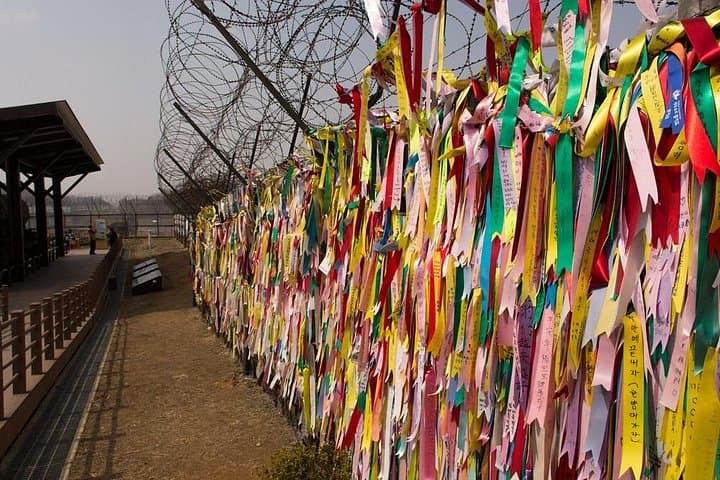
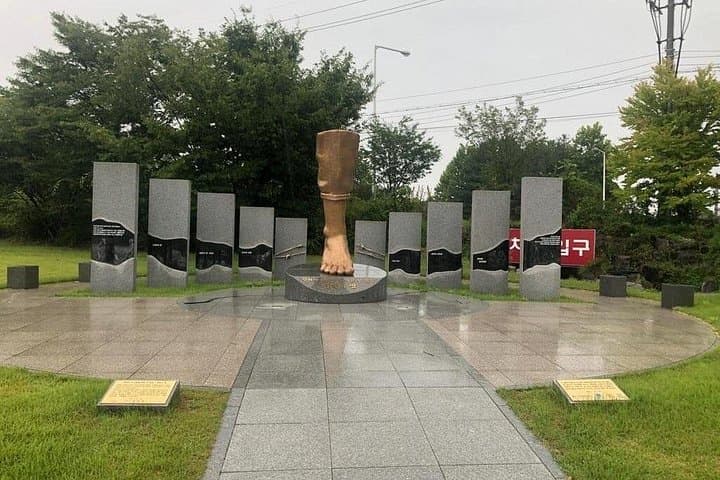
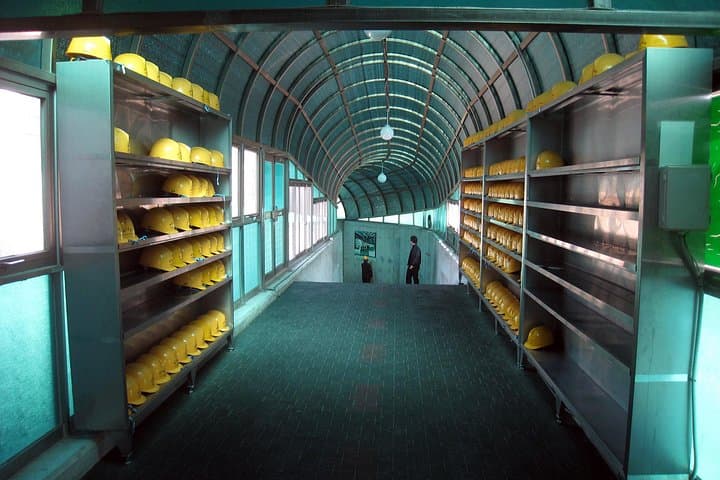
This day trip threads together key Cold War sites: Imjingak and the Bridge of Freedom, the hand-dug Third Tunnel where North Korea tunneled toward the South, and Dora Observatory where high-powered scopes reveal the propaganda village and soldiers on the other side. Geologically the area is gentle—low hills and river flats carved by the Han and Imjin rivers—yet politically the terrain carries a fierce gravity. Local guides weave in first-hand accounts, Korean War context, and the odd cultural detail: floral offerings at the Mangbaedan altar, and Dorasan Station’s permanent reminders of hope for reunification.
Practically, expect a 5–6 hour round trip from central Seoul with time for short, guided walks, stair descents into the tunnel, and blocked-off viewpoints. Photography is allowed at most stops but restricted near active military positions; follow your guide. Bring passport details for permits, wear sturdy shoes for the tunnel descent, and plan for changing weather—wind blows across those ridgelines with little shelter. The experience is sober and thought-provoking rather than physically demanding, offering an accessible but serious glimpse at a divided peninsula.
Yes—your passport number and expiry are required for permit processing; carry the physical passport on the day of travel.
Children may join but infants often must sit on an adult’s lap and some sites (like the Third Tunnel) are not recommended for small children or those with medical issues.
The tunnel is open to tourists but involves steep stairs and low ceilings; people with heart conditions, mobility issues, or pregnancy should avoid descending.
Yes—Dora Observatory provides binoculars and clear sightlines to North Korean farmland and the propaganda village, though visibility depends on weather and military restrictions.
Trevopedia Wonders operates guided outdoor trips and adventures with an emphasis on safety, stewardship, and memorable experiences.
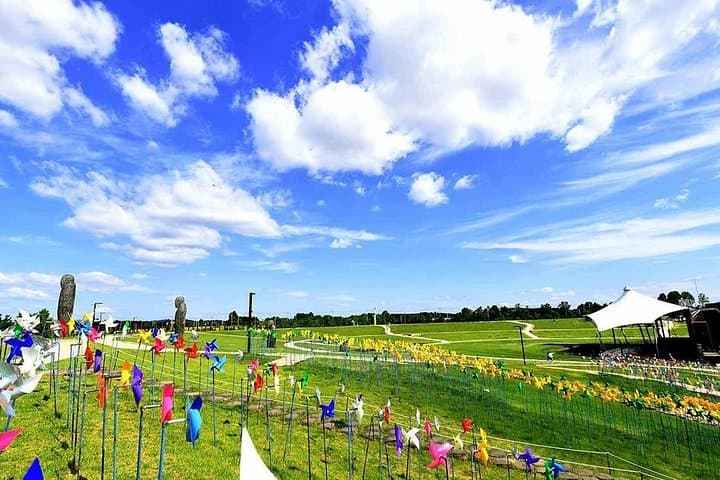
The bus eases out of Seoul before dawn and the city’s glass and concrete give way to low ridgelines and wide, quiet rivers. By the time the tour reaches Imjingak Peace Park you feel the country shifting underfoot: the Imjin River dares you to imagine a crossing, and observation platforms frame a border that is at once ordinary farmland and a heavily policed seam in global history.
The bus eases out of Seoul before dawn and the city’s glass and concrete give way to low ridgelines and wide, quiet rivers. By the time the tour reaches Imjingak Peace Park you feel the country shifting underfoot: the Imjin River dares you to imagine a crossing, and observation platforms frame a border that is at once ordinary farmland and a heavily policed seam in global history.
This day trip threads together key Cold War sites: Imjingak and the Bridge of Freedom, the hand-dug Third Tunnel where North Korea tunneled toward the South, and Dora Observatory where high-powered scopes reveal the propaganda village and soldiers on the other side. Geologically the area is gentle—low hills and river flats carved by the Han and Imjin rivers—yet politically the terrain carries a fierce gravity. Local guides weave in first-hand accounts, Korean War context, and the odd cultural detail: floral offerings at the Mangbaedan altar, and Dorasan Station’s permanent reminders of hope for reunification.
Practically, expect a 5–6 hour round trip from central Seoul with time for short, guided walks, stair descents into the tunnel, and blocked-off viewpoints. Photography is allowed at most stops but restricted near active military positions; follow your guide. Bring passport details for permits, wear sturdy shoes for the tunnel descent, and plan for changing weather—wind blows across those ridgelines with little shelter. The experience is sober and thought-provoking rather than physically demanding, offering an accessible but serious glimpse at a divided peninsula.