THE ADVENTURE COLLECTIVE® · Independent discovery and booking for outdoor travel

Travel to the edge of the Korean Peninsula with an English-speaking North Korean defector who pairs observatory views with firsthand stories—and taste North Korean dishes prepared by defectors. This small-group DMZ tour mixes geopolitics, history, and personal testimony into a single day trip from Seoul.
Travel to the edge of the Korean Peninsula with an English-speaking North Korean defector who pairs observatory views with firsthand stories—and taste North Korean dishes prepared by defectors. This small-group DMZ tour mixes geopolitics, history, and personal testimony into a single day trip from Seoul.
A cold wind moves across the rice paddies as the bus climbs toward the DMZ observatories—an edge-of-country panorama where barbed wire and watchtowers meet open sky. On this private, small-group tour an English-speaking North Korean defector acts as guide, turning distant silhouettes into human stories and making the frozen border feel immediate.
Verified experiences and guided adventures in the surrounding area.
Operated by Jun tours · Paju, Gyeonggi-do
A cold wind moves across the rice paddies as the bus climbs toward the DMZ observatories—an edge-of-country panorama where barbed wire and watchtowers meet open sky. On this private, small-group tour an English-speaking North Korean defector acts as guide, turning distant silhouettes into human stories and making the frozen border feel immediate.
The Demilitarized Zone dates to the 1953 armistice; geology here is low rolling hills carved by rivers rather than dramatic peaks, which makes the vantage points surprisingly wide. Cultural layers are thick: propaganda architecture across the way, South Korean memorials on this side, and the odd railway that stops in the mud. The guide’s personal history and explanations of everyday North Korean life—food, schooling, state rituals—give context that standard tours cannot.
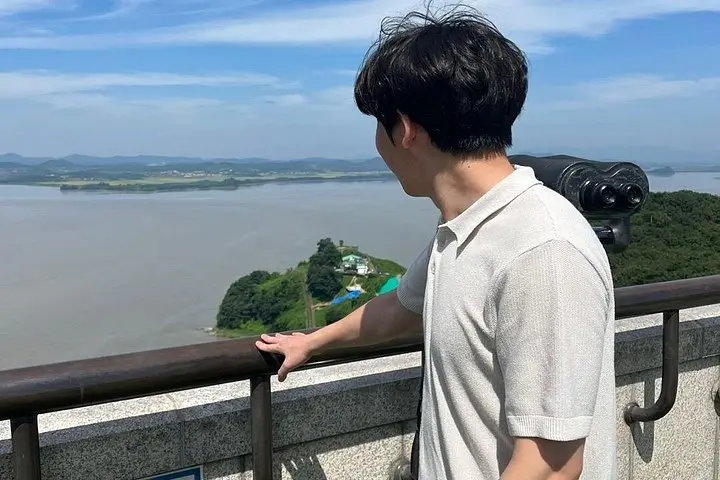
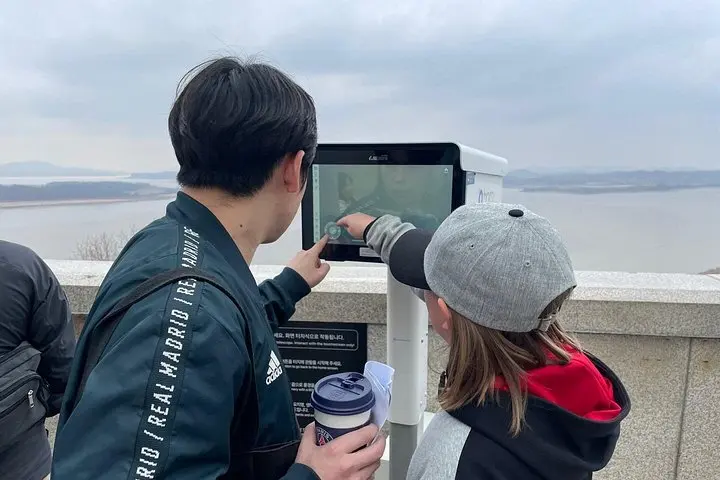
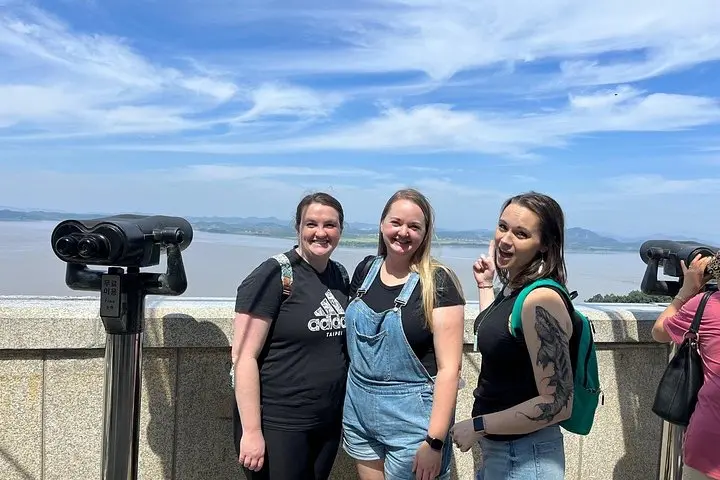
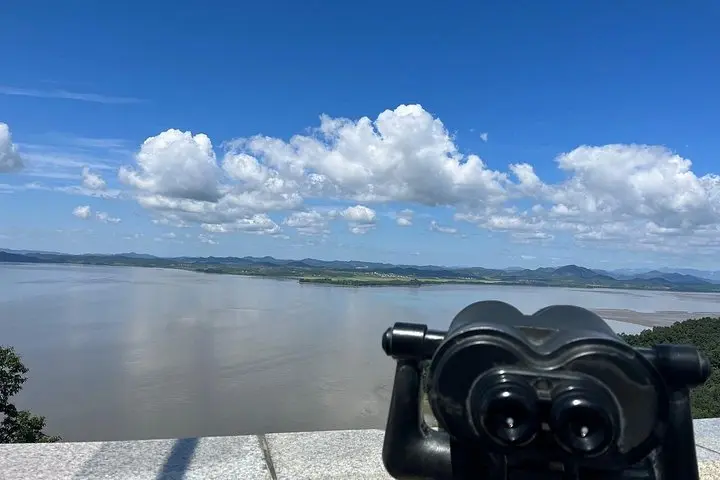
Expect binocular views of villages about 2 km away, time at an observatory café for question-and-answer, and a rare meal prepared in a restaurant run by defectors offering genuine North Korean dishes. Walking is light; most viewing is from platforms and short paved paths.
Practicalities: bring your passport (required for checkpoints), dress in layers (wind is constant), and leave large bags at the bus—security is strict and photography of personal data is prohibited. Plan for a 7–8 hour day out of Seoul with hotel pickup. Be ready to listen, ask respectful questions, and follow guide and military instructions—this tour pairs historical facts with human perspective, and it rewards attention with clearer insight into a divided peninsula.
Yes—passport is required for all tours entering DMZ checkpoints; carry it for verification at boarding and checkpoints.
Photography is allowed at many observatories but restricted for certain installations and military personnel—follow guide directions.
Tours are open to families, but infants must sit on laps; content and imagery may be sensitive for very young children.
No—views are from observatories roughly 1–3 km away; you can see villages and buildings but not close interactions.
Jun tours operates guided outdoor trips and adventures with an emphasis on safety, stewardship, and memorable experiences.
A cold wind moves across the rice paddies as the bus climbs toward the DMZ observatories—an edge-of-country panorama where barbed wire and watchtowers meet open sky. On this private, small-group tour an English-speaking North Korean defector acts as guide, turning distant silhouettes into human stories and making the frozen border feel immediate.
A cold wind moves across the rice paddies as the bus climbs toward the DMZ observatories—an edge-of-country panorama where barbed wire and watchtowers meet open sky. On this private, small-group tour an English-speaking North Korean defector acts as guide, turning distant silhouettes into human stories and making the frozen border feel immediate.
The Demilitarized Zone dates to the 1953 armistice; geology here is low rolling hills carved by rivers rather than dramatic peaks, which makes the vantage points surprisingly wide. Cultural layers are thick: propaganda architecture across the way, South Korean memorials on this side, and the odd railway that stops in the mud. The guide’s personal history and explanations of everyday North Korean life—food, schooling, state rituals—give context that standard tours cannot.
Expect binocular views of villages about 2 km away, time at an observatory café for question-and-answer, and a rare meal prepared in a restaurant run by defectors offering genuine North Korean dishes. Walking is light; most viewing is from platforms and short paved paths.
Practicalities: bring your passport (required for checkpoints), dress in layers (wind is constant), and leave large bags at the bus—security is strict and photography of personal data is prohibited. Plan for a 7–8 hour day out of Seoul with hotel pickup. Be ready to listen, ask respectful questions, and follow guide and military instructions—this tour pairs historical facts with human perspective, and it rewards attention with clearer insight into a divided peninsula.