THE ADVENTURE COLLECTIVE® · Independent discovery and booking for outdoor travel

Walk the mile that once heard cattle hooves and gunfire. This GPS audio tour of Dodge City plays theatrical stories as you arrive at statues, depots, and Boot Hill, turning a short urban stroll into a ninety-minute slice of Wild West history.
Walk the mile that once heard cattle hooves and gunfire. This GPS audio tour of Dodge City plays theatrical stories as you arrive at statues, depots, and Boot Hill, turning a short urban stroll into a ninety-minute slice of Wild West history.
You start outside the Dodge City Convention & Visitors Bureau, the bronze cowboy catching a low sun while the street seems to hum with old footsteps. The tour follows roughly a one‑mile loop through downtown — the pavement remembers cattle hooves and the wind still seems to carry a faint whistle of a steam engine.
Verified experiences and guided adventures in the surrounding area.
Operated by WalknTours · Dodge City, Kansas
You start outside the Dodge City Convention & Visitors Bureau, the bronze cowboy catching a low sun while the street seems to hum with old footsteps. The tour follows roughly a one‑mile loop through downtown — the pavement remembers cattle hooves and the wind still seems to carry a faint whistle of a steam engine.
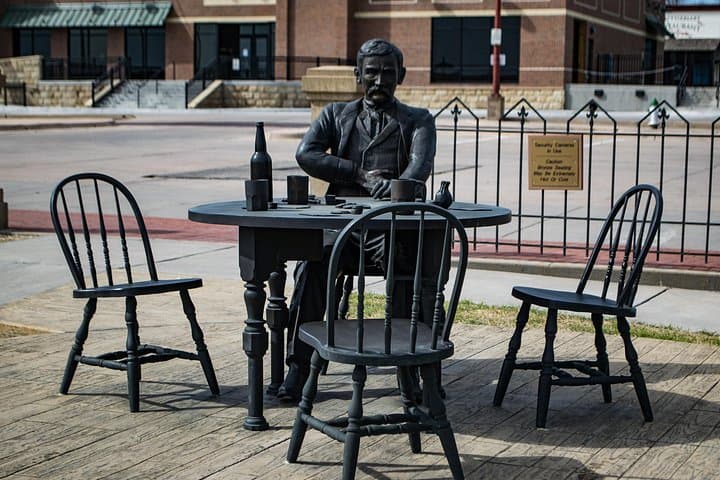
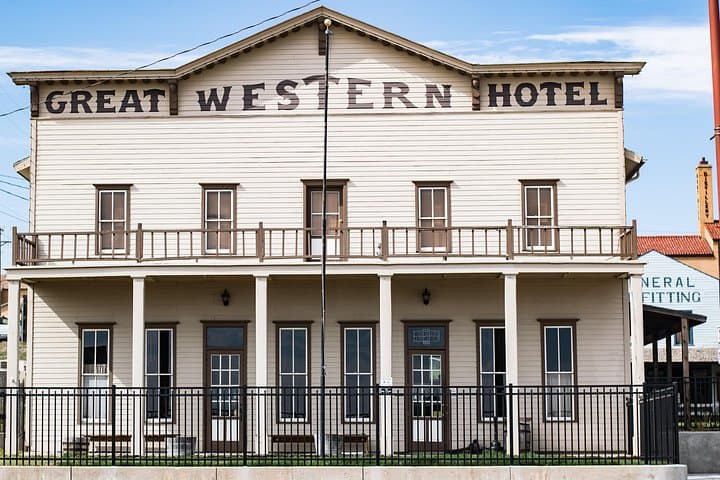
Dodge City sits on the High Plains where the Arkansas River corridor carved a lifeline through prairie sod. In the late 19th century the town exploded as a cattle hub: cowboys, lawmen, and headline gamblers shaped its hard-edged culture. Statues of Wyatt Earp and Doc Holliday, the Boot Hill markers, and the restored Santa Fe Depot are reminders of a town that traded in both violence and commerce.
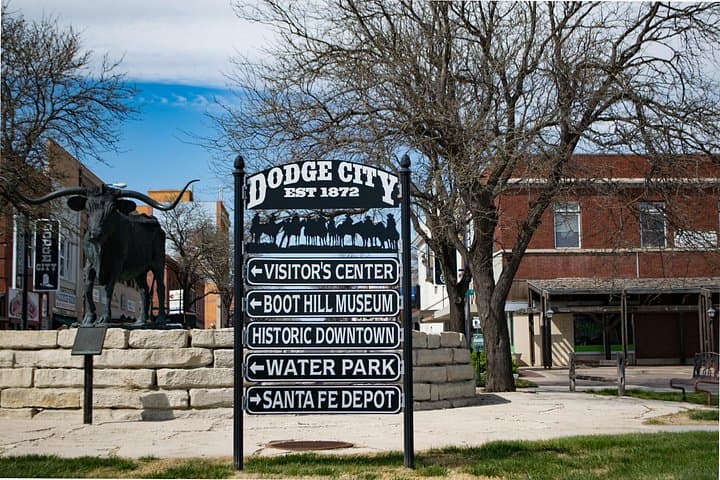
This smartphone-guided, GPS-triggered walk plays theatrical audio as you approach sites — a practical way to absorb historical vignettes while keeping your hands free for photos and maps. The itinerary highlights the cattle trade, the railroad’s arrival, Boot Hill lore, and civic sites like the Ford County Historical Society.
Expect urban sidewalks, short stair approaches at some monuments, and open exposure to sun and wind. The route is wheelchair accessible overall, but check curb cuts if mobility is a concern. Plan for 50–70 minutes at a leisurely pace; longer if you linger in museums or at the distillery tasting room.
Bring a fully charged phone, wired or low-profile earbuds to hear the narration clearly, and layer for midday winds. Visit in morning or late afternoon to avoid peak heat and to catch the best light on the statues.
No — this is a self-guided, on-demand smartphone tour you can begin anytime; it typically takes 50–70 minutes.
Yes — the tour notes indicate wheelchair and stroller accessibility, though a few monuments may have short steps or uneven ground.
The tour runs on the provider’s smartphone app described in your booking confirmation; ensure location services are enabled.
Yes — the route passes several museums and the Boot Hill Museum area; indoor admission is separate and optional.
WalknTours operates guided outdoor trips and adventures with an emphasis on safety, stewardship, and memorable experiences.

You start outside the Dodge City Convention & Visitors Bureau, the bronze cowboy catching a low sun while the street seems to hum with old footsteps. The tour follows roughly a one‑mile loop through downtown — the pavement remembers cattle hooves and the wind still seems to carry a faint whistle of a steam engine.
You start outside the Dodge City Convention & Visitors Bureau, the bronze cowboy catching a low sun while the street seems to hum with old footsteps. The tour follows roughly a one‑mile loop through downtown — the pavement remembers cattle hooves and the wind still seems to carry a faint whistle of a steam engine.
Dodge City sits on the High Plains where the Arkansas River corridor carved a lifeline through prairie sod. In the late 19th century the town exploded as a cattle hub: cowboys, lawmen, and headline gamblers shaped its hard-edged culture. Statues of Wyatt Earp and Doc Holliday, the Boot Hill markers, and the restored Santa Fe Depot are reminders of a town that traded in both violence and commerce.
This smartphone-guided, GPS-triggered walk plays theatrical audio as you approach sites — a practical way to absorb historical vignettes while keeping your hands free for photos and maps. The itinerary highlights the cattle trade, the railroad’s arrival, Boot Hill lore, and civic sites like the Ford County Historical Society.
Expect urban sidewalks, short stair approaches at some monuments, and open exposure to sun and wind. The route is wheelchair accessible overall, but check curb cuts if mobility is a concern. Plan for 50–70 minutes at a leisurely pace; longer if you linger in museums or at the distillery tasting room.
Bring a fully charged phone, wired or low-profile earbuds to hear the narration clearly, and layer for midday winds. Visit in morning or late afternoon to avoid peak heat and to catch the best light on the statues.