THE ADVENTURE COLLECTIVE® · Independent discovery and booking for outdoor travel

Climb into a sled and let a team of Iditarod-class huskies do the work on private trails outside Willow. This 90-minute kennel experience blends hands-on mushing instruction with sweeping views of the Alaska Range.
Climb into a sled and let a team of Iditarod-class huskies do the work on private trails outside Willow. This 90-minute kennel experience blends hands-on mushing instruction with sweeping views of the Alaska Range.
The air in Willow bites with a clean cold that feels like it has intentions. A team of sled dogs strains at the gangline—chests trembling, breath pluming—while the musher checks harnesses and greets visitors with easy, practiced motions. For 90 minutes you’re folded into a tradition that is both sport and daily life: a short run on private trails outside this small Alaska town, the dogs pulling with the compact, relentless power that wins Iditarod miles.
Verified experiences and guided adventures in the surrounding area.
Operated by Alaskan Husky Adventures · Willow, Alaska
The air in Willow bites with a clean cold that feels like it has intentions. A team of sled dogs strains at the gangline—chests trembling, breath pluming—while the musher checks harnesses and greets visitors with easy, practiced motions. For 90 minutes you’re folded into a tradition that is both sport and daily life: a short run on private trails outside this small Alaska town, the dogs pulling with the compact, relentless power that wins Iditarod miles.
Willow sits on the edge of the Susitna Valley, a low-lying corridor that opens to long views of the Alaska Range. The community became a training hub for distance mushers in the mid-20th century as kennels expanded beyond town centers and into the wide winterlands. Under clear conditions, Denali’s bulk reads on the horizon—an impartial judge of distance and weather. Geology here is young: glacially carved valleys, braided rivers, and the rounded flanks of moraines that guide the trail routes.
The kennel you visit is family-run and competition-hardened; these dogs aren’t props, they are athletes bred for endurance. Expect an introduction to mushing basics—harnessing, commands, braking—before a guided ride on groomed trails through spruce and birch stands. The terrain is gentle: rolling tundra trails and compact snow, with only modest climbs. In winter the air is a player, pushing and pulling at the sled; in shoulder seasons the operation shifts to wheel rigs for training when snow thins.
This is more than a ride; it’s a lesson in logistics and animal care. Mushers discuss feeding cycles, booting dogs’ paws, and the cadence of training miles. It’s also a cultural touchstone for Alaska—mushing shaped regional mobility long before roads reached deep bush country.
Practicalities: the experience runs about 90 minutes total, with roughly 3–5 miles of sled travel on private trails and minimal elevation gain. Dress for wind and cold—layers, warm boots, and face protection are non-negotiable. Cameras are welcome but keep straps secure: sled dogs are curious and will investigate loose gear.
Timing matters. Mid-winter delivers the quietest, most stable snow; late winter brings longer daylight and higher odds of clear air for Denali views. The kennel welcomes a wide range of guests—children sit in laps when necessary—but respects the dogs’ pace and safety first. If you go, plan for travel time from Anchorage (about 1–1.5 hours north), bring cash or card for tips and souvenirs, and arrive with enough time to meet the team and learn the basics. The ride is short and visceral: the dogs pull, the sled skids, the landscape rolls by, and for a moment you’re moving with a lineage of Alaskan transport that still matters today.
The total experience is about 90 minutes, with roughly 3–5 miles of sled travel on private groomed trails.
Yes; infants must sit on an adult’s lap and operators will advise on age-specific arrangements during booking.
Yes—guests help harness the team and learn about dog care, though handlers will control interactions for the dogs’ safety.
Yes—operators may cancel for unsafe weather or poor trail conditions; you’ll receive a full refund if you cancel at least 24 hours prior.
No—rides are guided by experienced mushers and suitable for all fitness levels; basic instruction is provided.
Willow is about 1–1.5 hours north of Anchorage by car, depending on road and weather conditions.
Alaskan Husky Adventures operates guided outdoor trips and adventures with an emphasis on safety, stewardship, and memorable experiences.
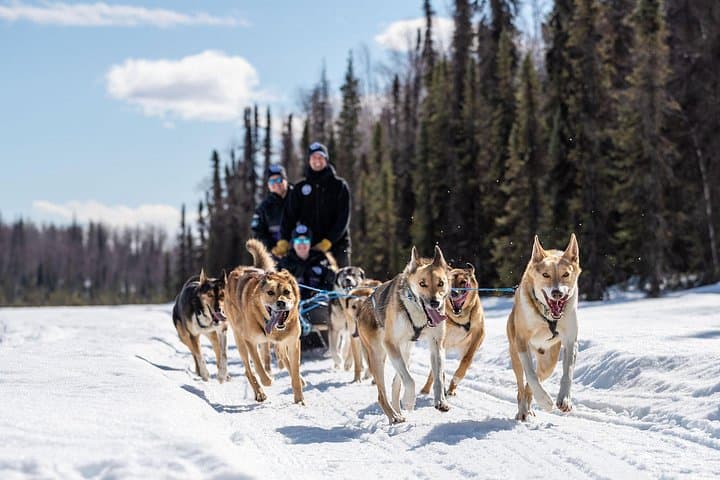

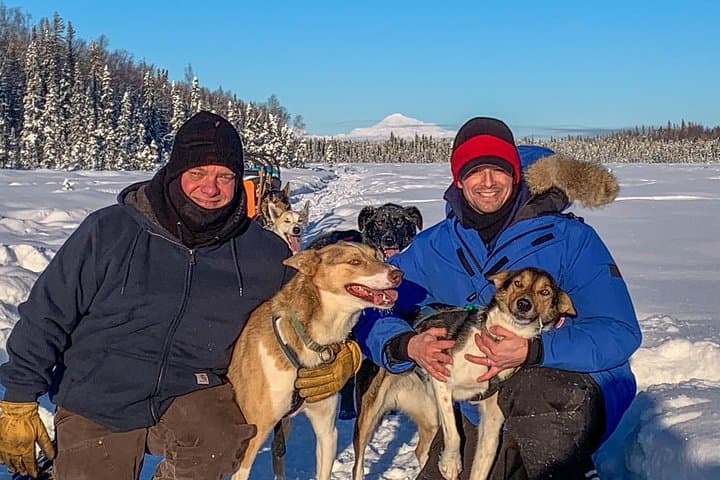
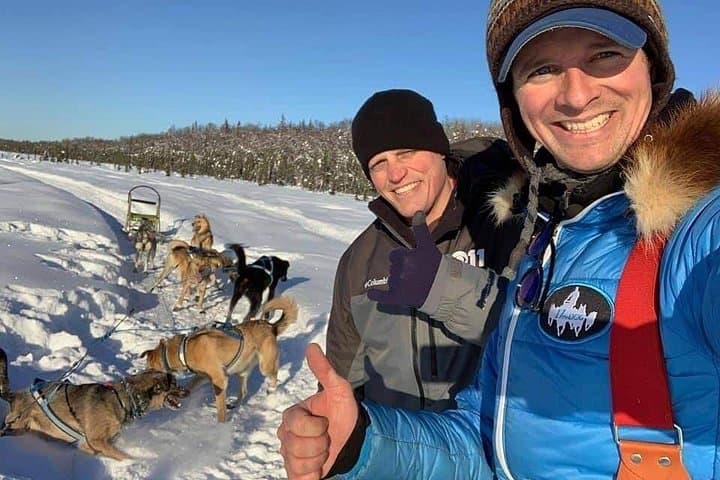
The air in Willow bites with a clean cold that feels like it has intentions. A team of sled dogs strains at the gangline—chests trembling, breath pluming—while the musher checks harnesses and greets visitors with easy, practiced motions. For 90 minutes you’re folded into a tradition that is both sport and daily life: a short run on private trails outside this small Alaska town, the dogs pulling with the compact, relentless power that wins Iditarod miles.
The air in Willow bites with a clean cold that feels like it has intentions. A team of sled dogs strains at the gangline—chests trembling, breath pluming—while the musher checks harnesses and greets visitors with easy, practiced motions. For 90 minutes you’re folded into a tradition that is both sport and daily life: a short run on private trails outside this small Alaska town, the dogs pulling with the compact, relentless power that wins Iditarod miles.
Willow sits on the edge of the Susitna Valley, a low-lying corridor that opens to long views of the Alaska Range. The community became a training hub for distance mushers in the mid-20th century as kennels expanded beyond town centers and into the wide winterlands. Under clear conditions, Denali’s bulk reads on the horizon—an impartial judge of distance and weather. Geology here is young: glacially carved valleys, braided rivers, and the rounded flanks of moraines that guide the trail routes.
The kennel you visit is family-run and competition-hardened; these dogs aren’t props, they are athletes bred for endurance. Expect an introduction to mushing basics—harnessing, commands, braking—before a guided ride on groomed trails through spruce and birch stands. The terrain is gentle: rolling tundra trails and compact snow, with only modest climbs. In winter the air is a player, pushing and pulling at the sled; in shoulder seasons the operation shifts to wheel rigs for training when snow thins.
This is more than a ride; it’s a lesson in logistics and animal care. Mushers discuss feeding cycles, booting dogs’ paws, and the cadence of training miles. It’s also a cultural touchstone for Alaska—mushing shaped regional mobility long before roads reached deep bush country.
Practicalities: the experience runs about 90 minutes total, with roughly 3–5 miles of sled travel on private trails and minimal elevation gain. Dress for wind and cold—layers, warm boots, and face protection are non-negotiable. Cameras are welcome but keep straps secure: sled dogs are curious and will investigate loose gear.
Timing matters. Mid-winter delivers the quietest, most stable snow; late winter brings longer daylight and higher odds of clear air for Denali views. The kennel welcomes a wide range of guests—children sit in laps when necessary—but respects the dogs’ pace and safety first. If you go, plan for travel time from Anchorage (about 1–1.5 hours north), bring cash or card for tips and souvenirs, and arrive with enough time to meet the team and learn the basics. The ride is short and visceral: the dogs pull, the sled skids, the landscape rolls by, and for a moment you’re moving with a lineage of Alaskan transport that still matters today.