THE ADVENTURE COLLECTIVE® · Independent discovery and booking for outdoor travel

Dress in silk and history for a 2½-hour kimono session in Dogo Onsen: learn tea ceremony basics, practice fan dance in an ozashiki, and tour the hot-spring streets with a dresser who photographs you. Perfect for first-time kimono wearers who want hands-on cultural context and polished photos.
Dress in silk and history for a 2½-hour kimono session in Dogo Onsen: learn tea ceremony basics, practice fan dance in an ozashiki, and tour the hot-spring streets with a dresser who photographs you. Perfect for first-time kimono wearers who want hands-on cultural context and polished photos.
A cool spring mist curls off steaming roofs as you step out of Dogo Onsen Honkan, obi tied and sandals soft on the wooden boards.
Verified experiences and guided adventures in the surrounding area.
Operated by 一般社団法人愛媛県観光物産協会 · Matsuyama, Ehime Prefecture
A cool spring mist curls off steaming roofs as you step out of Dogo Onsen Honkan, obi tied and sandals soft on the wooden boards.
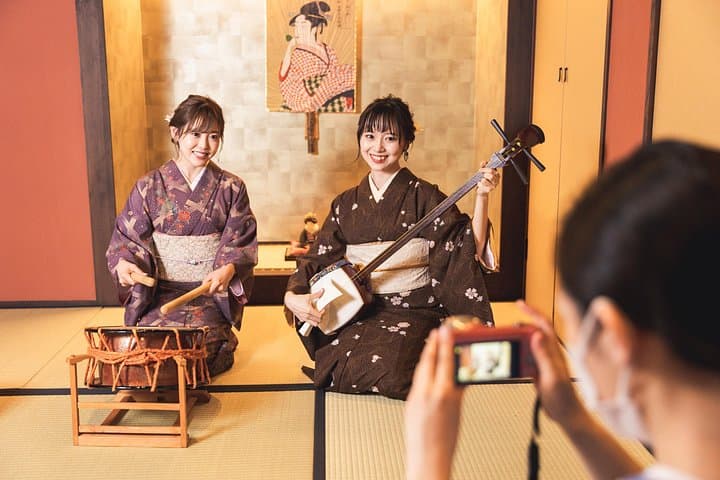
This compact hot-spring district in Matsuyama feels like walking into a living period film—narrow alleys, lacquered shopfronts and the low murmur of conversation. The experience begins with a professional dresser who wraps fabric and posture together, then moves into an ozashiki (tatami parlor) where you make matcha, try a shamisen pluck and practice fan-led dance poses under the guidance of a geisha instructor.
Dogo’s history stretches back millennia; the current Honkan building dates to the Meiji era and helped define the town’s character as a social center for bathing and performance. Geologically, Ehime sits on the gentle, volcanic soils of Shikoku, which feeds mineral-rich springs that made this town a bathing destination.
Expect hands-on cultural context—how the obi influences movement, why geta or zori change your gait, and the etiquette of an ozashiki. Photos are part of the tour: a staff member accompanies you to well-composed spots and captures moments on a smartphone so you can focus on the scene.
Practical notes: the full program runs about 2½ hours, includes kimono rental, a bathing ticket and a food coupon, and involves light walking on stone streets and tatami. Leave bulky bags at the shop, wear comfortable layers beneath your kimono, and reserve morning or late afternoon to avoid the busiest crowds and get the best light for photos.
No—professional dressers handle fitting and hair styling, and the session is designed for first-time wearers.
Yes; the package includes a bathing ticket for Dogo Onsen Honkan or a nearby annex—check operating hours and tattoo policies beforehand.
Yes—a staff member accompanies you and takes smartphone photos during the city walk; you’ll also have dedicated time for portraits in the ozashiki.
The tour is suitable for most ages, but booking collects age and full names; very young children may require special consideration when wearing kimono.
一般社団法人愛媛県観光物産協会 operates guided outdoor trips and adventures with an emphasis on safety, stewardship, and memorable experiences.


A cool spring mist curls off steaming roofs as you step out of Dogo Onsen Honkan, obi tied and sandals soft on the wooden boards.
A cool spring mist curls off steaming roofs as you step out of Dogo Onsen Honkan, obi tied and sandals soft on the wooden boards.
This compact hot-spring district in Matsuyama feels like walking into a living period film—narrow alleys, lacquered shopfronts and the low murmur of conversation. The experience begins with a professional dresser who wraps fabric and posture together, then moves into an ozashiki (tatami parlor) where you make matcha, try a shamisen pluck and practice fan-led dance poses under the guidance of a geisha instructor.
Dogo’s history stretches back millennia; the current Honkan building dates to the Meiji era and helped define the town’s character as a social center for bathing and performance. Geologically, Ehime sits on the gentle, volcanic soils of Shikoku, which feeds mineral-rich springs that made this town a bathing destination.
Expect hands-on cultural context—how the obi influences movement, why geta or zori change your gait, and the etiquette of an ozashiki. Photos are part of the tour: a staff member accompanies you to well-composed spots and captures moments on a smartphone so you can focus on the scene.
Practical notes: the full program runs about 2½ hours, includes kimono rental, a bathing ticket and a food coupon, and involves light walking on stone streets and tatami. Leave bulky bags at the shop, wear comfortable layers beneath your kimono, and reserve morning or late afternoon to avoid the busiest crowds and get the best light for photos.