THE ADVENTURE COLLECTIVE® · Independent discovery and booking for outdoor travel

Spend a half-day on Qatar’s western coast watching camel activity at Sahaniya, exploring mushroom rock formations, and standing beside Richard Serra’s monumental desert plates. This concise tour pairs cultural insight with stark desert geology.
Spend a half-day on Qatar’s western coast watching camel activity at Sahaniya, exploring mushroom rock formations, and standing beside Richard Serra’s monumental desert plates. This concise tour pairs cultural insight with stark desert geology.
The morning light cuts across flat desert toward the Gulf as the minivan eases off the highway and the land opens into wind-sculpted limestone and stretches of pale sand.
Verified experiences and guided adventures in the surrounding area.
Operated by DMC DOHA HOLIDAYS & STOPOVER TOURS · Doha, Doha Municipality
The morning light cuts across flat desert toward the Gulf as the minivan eases off the highway and the land opens into wind-sculpted limestone and stretches of pale sand.
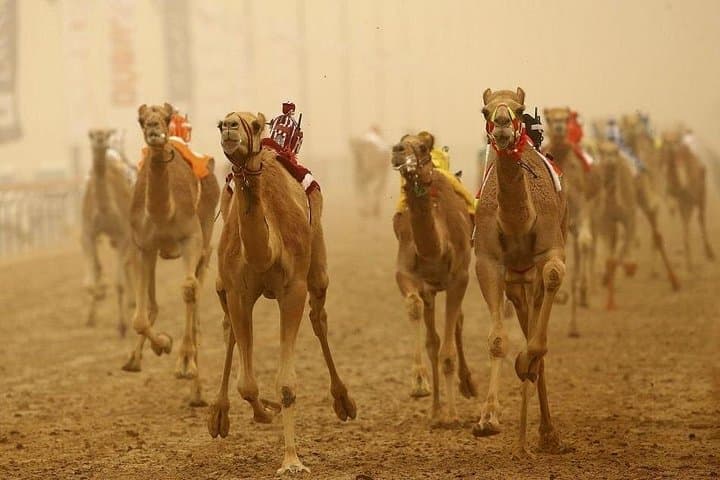
Visitors step out where camels move with an easy, deliberate purpose on the Sahaniya tracks — the animals’ muscles and riders’ signals telling an old story of competition and care. A short drive delivers you deeper into the western coast: mushroom-shaped rocks, low cliffs, and the massive steel plates of Richard Serra’s “East–West/West–East” punctuating the emptiness like a sudden human heartbeat.
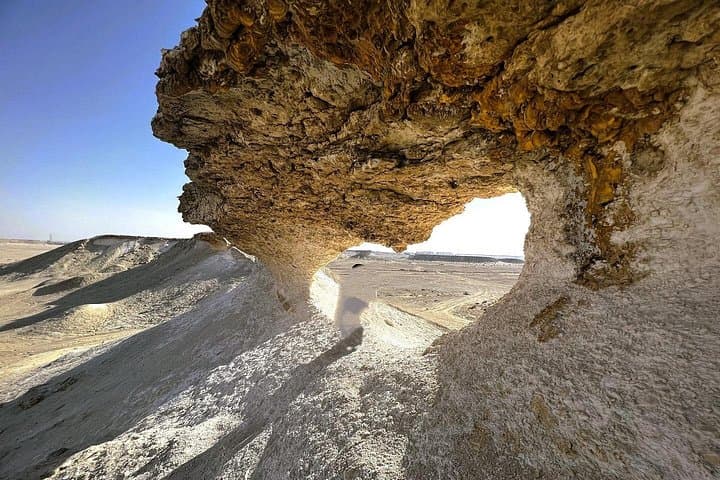
This coastline carries layers of history: fishermen and pearling communities before oil, military outposts, and modern development around Dukhan and Al Shahaniya. Geologically, the limestone and chalk were carved by sea-level changes and persistent wind, producing caves, arches and the blocky formations visible from the road.
Culturally, camel racing is both sport and heritage — modern tracks blend technology with traditional livestock care. Serra’s work sits in stark contrast, forcing a conversation between global art and a remote landscape.
Practical guidance: the private four-hour tour covers long, bumpy service roads and short walks over uneven rock; bottled water and transfers are typically included. Wear closed-toe shoes with grippy soles, sun protection, and a light wind layer. Carry cash for small-site donations or refreshments; mobile signal can be patchy. Aim for early morning or late afternoon to avoid mid-day heat and to get the best light for photography.
This route rewards sensory attention: the creak of camel harnesses, wind polishing stone, and the unexpected scale of art in the open desert.
This private tour runs about four hours and includes Sahaniya camel racing areas, western coast rock formations, and the Richard Serra sculpture with hotel pickup and drop-off.
Yes—stroller access is generally possible and infant seats can be provided, but expect short walks on uneven surfaces; attendants should supervise children near cliffs and sculptures.
Most standard sites on the route are accessible as part of the tour; small local fees or donations may apply at certain stops—bring modest cash just in case.
Mild temperatures in late autumn to early spring offer the most comfortable experience; avoid the hottest mid-day summer hours for outdoor stops.
DMC DOHA HOLIDAYS & STOPOVER TOURS operates guided outdoor trips and adventures with an emphasis on safety, stewardship, and memorable experiences.


The morning light cuts across flat desert toward the Gulf as the minivan eases off the highway and the land opens into wind-sculpted limestone and stretches of pale sand.
The morning light cuts across flat desert toward the Gulf as the minivan eases off the highway and the land opens into wind-sculpted limestone and stretches of pale sand.
Visitors step out where camels move with an easy, deliberate purpose on the Sahaniya tracks — the animals’ muscles and riders’ signals telling an old story of competition and care. A short drive delivers you deeper into the western coast: mushroom-shaped rocks, low cliffs, and the massive steel plates of Richard Serra’s “East–West/West–East” punctuating the emptiness like a sudden human heartbeat.
This coastline carries layers of history: fishermen and pearling communities before oil, military outposts, and modern development around Dukhan and Al Shahaniya. Geologically, the limestone and chalk were carved by sea-level changes and persistent wind, producing caves, arches and the blocky formations visible from the road.
Culturally, camel racing is both sport and heritage — modern tracks blend technology with traditional livestock care. Serra’s work sits in stark contrast, forcing a conversation between global art and a remote landscape.
Practical guidance: the private four-hour tour covers long, bumpy service roads and short walks over uneven rock; bottled water and transfers are typically included. Wear closed-toe shoes with grippy soles, sun protection, and a light wind layer. Carry cash for small-site donations or refreshments; mobile signal can be patchy. Aim for early morning or late afternoon to avoid mid-day heat and to get the best light for photography.
This route rewards sensory attention: the creak of camel harnesses, wind polishing stone, and the unexpected scale of art in the open desert.