THE ADVENTURE COLLECTIVE® · Independent discovery and booking for outdoor travel

Combine Doha’s modern museums and historic markets with an afternoon in the southern desert—camel ride, dune bashing and sandboarding. This private tour pairs cultured city stops with the raw motion of offshore dunes.
Combine Doha’s modern museums and historic markets with an afternoon in the southern desert—camel ride, dune bashing and sandboarding. This private tour pairs cultured city stops with the raw motion of offshore dunes.
You step out of an air‑conditioned vehicle into the warm spill of a Qatari morning—glazed architectural petals of the National Museum rising like folded stone to your left, the Arabian Gulf glinting off the Corniche to your right. The city portion of the day moves at an urban pace: Katara’s cultural spaces, the glassed promenades of the Pearl, and the narrow alleys and spice-scented shops of Souq Waqif.
Verified experiences and guided adventures in the surrounding area.
Operated by Arabian Tourism · Doha, Doha
You step out of an air‑conditioned vehicle into the warm spill of a Qatari morning—glazed architectural petals of the National Museum rising like folded stone to your left, the Arabian Gulf glinting off the Corniche to your right. The city portion of the day moves at an urban pace: Katara’s cultural spaces, the glassed promenades of the Pearl, and the narrow alleys and spice-scented shops of Souq Waqif.
By midday the road unfurls into ochre—rolling sand that seems to breathe. Southern Qatar’s dunes were sculpted by wind and tides over millennia; near the southeast, Khor Al Adaid (the Inland Sea) shows a rare meeting of sea and desert where the tide presses into sand flats. The desert here has been a livelihood for Bedouin communities for centuries, and camel riding remains both a cultural touchpoint and a quiet counterbalance to the adrenaline of dune bashing and sandboarding.
Expect a full day (7–8 hours) paced between city stops and a desert break for tea, camera shots, and short camel treks. Practicalities: dress in light, breathable fabrics and closed shoes for climbing dunes; bring sun protection, a small daypack with water, and motion‑sickness remedies if you’re prone to the shudder of off‑road driving. Photography windows are best in late afternoon when the light sculpts the dunes and city glass alike. Respect local customs—modest clothing in mosques and conservative behavior in public—and follow your guide’s safety briefings during off‑road segments. With simple preparation you’ll leave having seen both Qatar’s urban ambitions and the raw, wind‑written landscape that frames them.
Yes, hotel or airport pick‑up and drop‑off are provided as part of the tour.
Admission is not included by default for some stops—confirm with the operator as major museums sometimes require separate tickets.
Infant seats are available and the tour is family‑friendly, but dune bashing may be unsuitable for very young children or pregnant travelers.
Late afternoon is ideal—temperatures cool and light is best for photos; avoid midday in summer for comfort reasons.
Arabian Tourism operates guided outdoor trips and adventures with an emphasis on safety, stewardship, and memorable experiences.
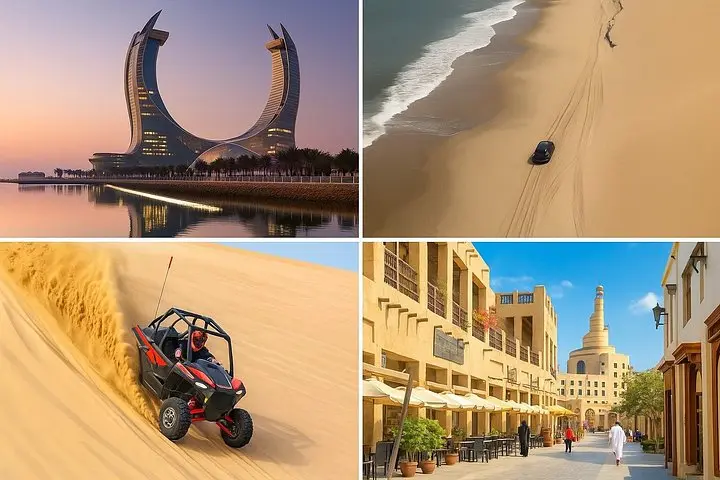
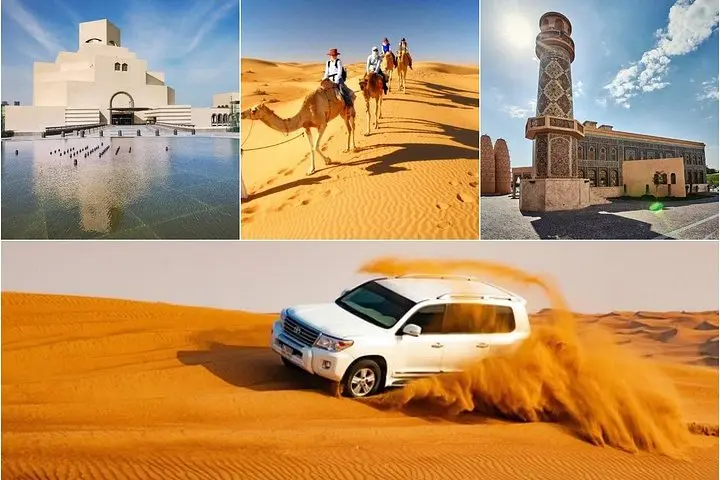
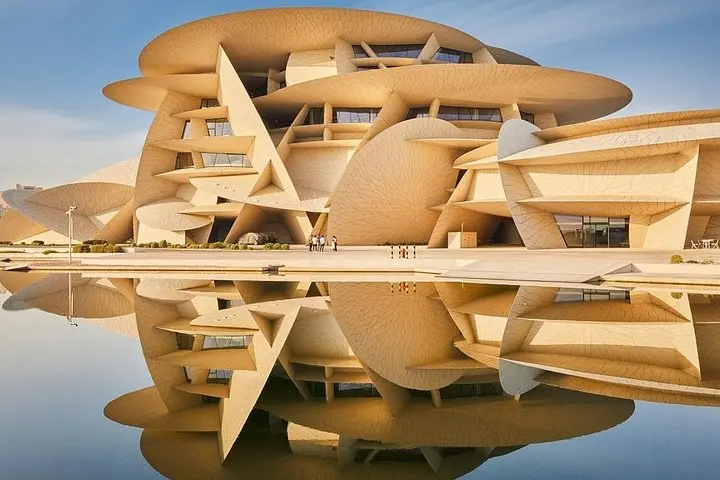
You step out of an air‑conditioned vehicle into the warm spill of a Qatari morning—glazed architectural petals of the National Museum rising like folded stone to your left, the Arabian Gulf glinting off the Corniche to your right. The city portion of the day moves at an urban pace: Katara’s cultural spaces, the glassed promenades of the Pearl, and the narrow alleys and spice-scented shops of Souq Waqif.
You step out of an air‑conditioned vehicle into the warm spill of a Qatari morning—glazed architectural petals of the National Museum rising like folded stone to your left, the Arabian Gulf glinting off the Corniche to your right. The city portion of the day moves at an urban pace: Katara’s cultural spaces, the glassed promenades of the Pearl, and the narrow alleys and spice-scented shops of Souq Waqif.
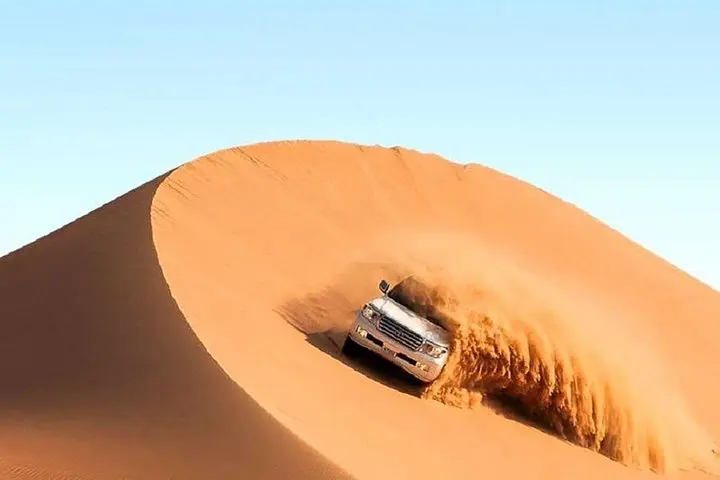
By midday the road unfurls into ochre—rolling sand that seems to breathe. Southern Qatar’s dunes were sculpted by wind and tides over millennia; near the southeast, Khor Al Adaid (the Inland Sea) shows a rare meeting of sea and desert where the tide presses into sand flats. The desert here has been a livelihood for Bedouin communities for centuries, and camel riding remains both a cultural touchpoint and a quiet counterbalance to the adrenaline of dune bashing and sandboarding.
Expect a full day (7–8 hours) paced between city stops and a desert break for tea, camera shots, and short camel treks. Practicalities: dress in light, breathable fabrics and closed shoes for climbing dunes; bring sun protection, a small daypack with water, and motion‑sickness remedies if you’re prone to the shudder of off‑road driving. Photography windows are best in late afternoon when the light sculpts the dunes and city glass alike. Respect local customs—modest clothing in mosques and conservative behavior in public—and follow your guide’s safety briefings during off‑road segments. With simple preparation you’ll leave having seen both Qatar’s urban ambitions and the raw, wind‑written landscape that frames them.