THE ADVENTURE COLLECTIVE® · Independent discovery and booking for outdoor travel

A compact, private four-hour loop through Msheireb, the Museum of Islamic Art and Mathaf that maps Doha’s shift from pearl-hunting to petro-modernity. Ideal for travelers who want concentrated cultural context with door-to-door transfer.
A compact, private four-hour loop through Msheireb, the Museum of Islamic Art and Mathaf that maps Doha’s shift from pearl-hunting to petro-modernity. Ideal for travelers who want concentrated cultural context with door-to-door transfer.
You step off the Corniche into light that glances off white stone and glass; the sea insists on keeping time and the city answers in geometric rhythm. This four-hour private museum loop threads Msheireb’s restored courtyards, the airy piers of the Museum of Islamic Art, and the modern galleries of Mathaf, offering a compact view of Doha’s past and its sprint into the future.
Verified experiences and guided adventures in the surrounding area.
Operated by Oman Day Tours · Doha, Doha
You step off the Corniche into light that glances off white stone and glass; the sea insists on keeping time and the city answers in geometric rhythm. This four-hour private museum loop threads Msheireb’s restored courtyards, the airy piers of the Museum of Islamic Art, and the modern galleries of Mathaf, offering a compact view of Doha’s past and its sprint into the future.
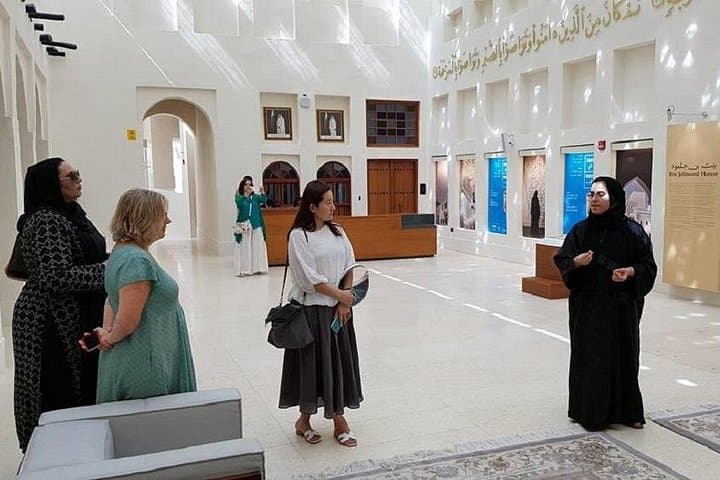
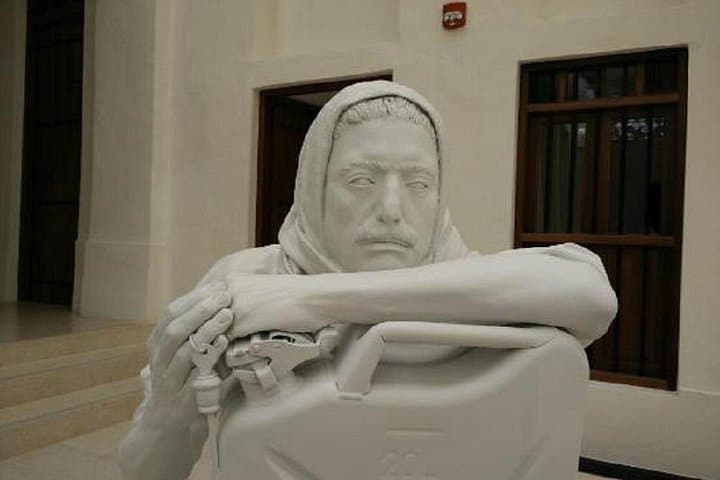
The program traces local history from pearl-hunting and fishing to the 1930s oil boom that reoriented Qatar’s economy. Msheireb preserves domestic objects—pearl-diving gear, small oil-processing tools and neighborhood plans—while the Museum of Islamic Art displays ceramics, metalwork and textiles spanning the 7th–19th centuries from across the Islamic world. Mathaf pushes forward with Arab modern and contemporary pieces, framing regional artistic responses to rapid urban change.
Architecturally, expect limestone and mashrabiya-inspired motifs in the older fabric and concrete-and-glass clarity at Mathaf; the city sits on coastal plain geology with reclaimed land shaping much of the waterfront you’ll pass.
Practical guidance: museums generally open mid-morning—book an early slot to avoid heat and crowds. Entrance fees are typically not included; carry printed or mobile tickets. Dress conservatively in respect for local culture—shoulders and knees covered—and keep a light layer for air-conditioned galleries. Mobility is straightforward: the tour lists wheelchair access and is suitable for most fitness levels. Bring bottled water, a camera with silent mode for respectful photography, and time in your schedule for a short walk along the Corniche after the last gallery—doha’s shoreline often offers a glimpse of feeding gulls and distant dolphins.
No—this tour lists admissions as not included; the private driver/guide handles transfers but you should budget for entrance fees.
Yes; the listing notes wheelchair accessibility and the main museums have ramps and elevators, but confirm specific assistance when booking.
The tour provides a driver/guide; language options depend on booking—confirm your preferred language at reservation time.
Full refunds are available if you cancel at least 24 hours before the scheduled departure time per the standard cancellation terms.
Oman Day Tours operates guided outdoor trips and adventures with an emphasis on safety, stewardship, and memorable experiences.
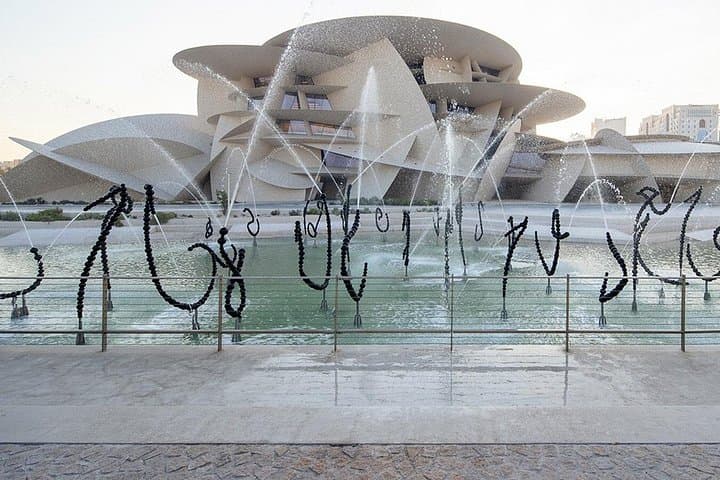
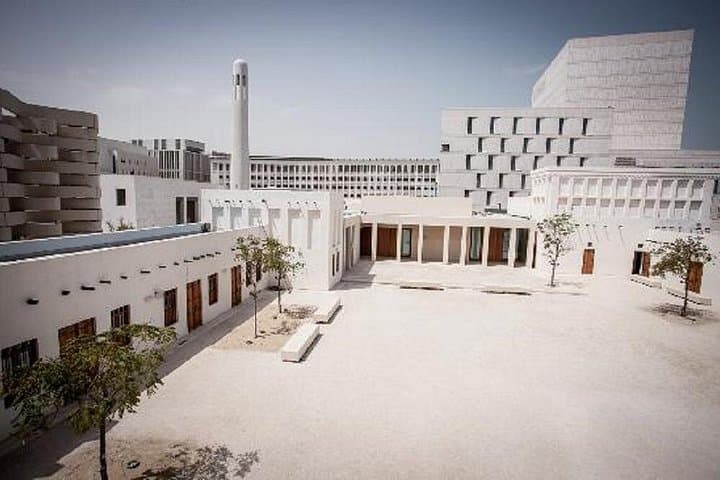
You step off the Corniche into light that glances off white stone and glass; the sea insists on keeping time and the city answers in geometric rhythm. This four-hour private museum loop threads Msheireb’s restored courtyards, the airy piers of the Museum of Islamic Art, and the modern galleries of Mathaf, offering a compact view of Doha’s past and its sprint into the future.
You step off the Corniche into light that glances off white stone and glass; the sea insists on keeping time and the city answers in geometric rhythm. This four-hour private museum loop threads Msheireb’s restored courtyards, the airy piers of the Museum of Islamic Art, and the modern galleries of Mathaf, offering a compact view of Doha’s past and its sprint into the future.
The program traces local history from pearl-hunting and fishing to the 1930s oil boom that reoriented Qatar’s economy. Msheireb preserves domestic objects—pearl-diving gear, small oil-processing tools and neighborhood plans—while the Museum of Islamic Art displays ceramics, metalwork and textiles spanning the 7th–19th centuries from across the Islamic world. Mathaf pushes forward with Arab modern and contemporary pieces, framing regional artistic responses to rapid urban change.
Architecturally, expect limestone and mashrabiya-inspired motifs in the older fabric and concrete-and-glass clarity at Mathaf; the city sits on coastal plain geology with reclaimed land shaping much of the waterfront you’ll pass.
Practical guidance: museums generally open mid-morning—book an early slot to avoid heat and crowds. Entrance fees are typically not included; carry printed or mobile tickets. Dress conservatively in respect for local culture—shoulders and knees covered—and keep a light layer for air-conditioned galleries. Mobility is straightforward: the tour lists wheelchair access and is suitable for most fitness levels. Bring bottled water, a camera with silent mode for respectful photography, and time in your schedule for a short walk along the Corniche after the last gallery—doha’s shoreline often offers a glimpse of feeding gulls and distant dolphins.