THE ADVENTURE COLLECTIVE® · Independent discovery and booking for outdoor travel

A guided, vehicle-free walk from Doha’s Corniche into the heart of traditional markets and civic landmarks. Learn pearl-diving history, modern cultural life, and how Islam informs daily routines while walking accessible, paved routes.
A guided, vehicle-free walk from Doha’s Corniche into the heart of traditional markets and civic landmarks. Learn pearl-diving history, modern cultural life, and how Islam informs daily routines while walking accessible, paved routes.
The tour begins on Doha’s Corniche where the Persian Gulf meets the city’s skyline — the sea dares you to look beyond glass towers and see the older currents that shaped this place.
Verified experiences and guided adventures in the surrounding area.
Operated by Selma Abdelrahim · Doha, Doha
The tour begins on Doha’s Corniche where the Persian Gulf meets the city’s skyline — the sea dares you to look beyond glass towers and see the older currents that shaped this place.
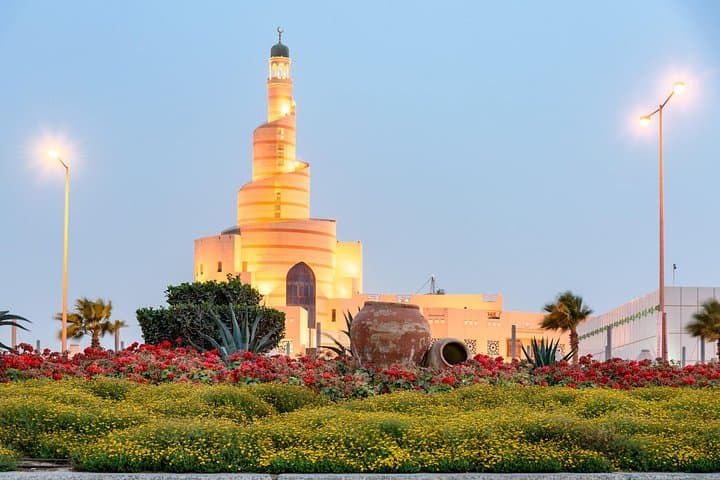
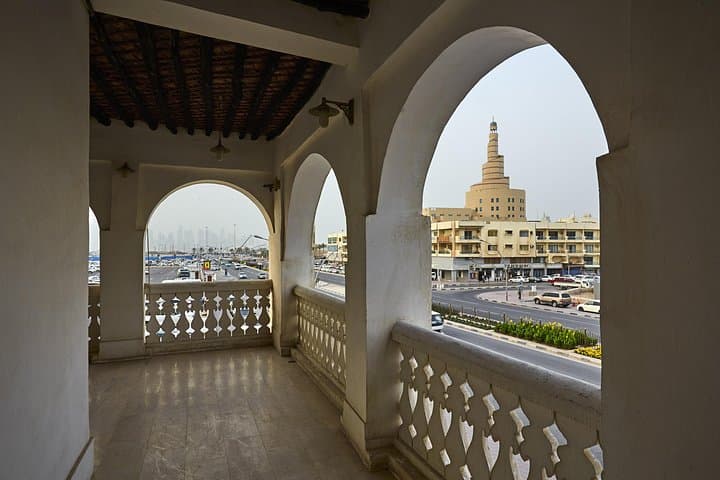
Walkers move along the waterfront toward Amiri Diwan and the winding lanes of a traditional market, trading skyscraper shadows for the close-up textures of carved wood, brass lanterns and the cadence of daily life. The guide frames stories of pearl diving, the discovery of oil and the rapid modernization that followed, and explains how Islam shapes social rhythms, public space and hospitality.
Geologically the route skirts reclaimed littoral plains and a sheltered bay; culturally it crosses a city remade in a generation, where vernacular souqs sit beside ultra-modern civic buildings. Expect folk tales, anecdotes about the 2022 World Cup, and practical demonstrations of local customs rather than museum-style lectures.
Practically, the walk is urban and accessible — paved surfaces and short blocks, with pauses at shaded plazas and market alleys. Wear breathable modest clothing, sun protection and comfortable shoes; carry water and a small payment method for snacks or souvenirs. Mornings and late afternoons are best for cooler temperatures and softer light for photos. The tour’s eco-friendly footprint is low by design: no vehicles, minimal waste, and local guides who encourage respectful behavior at religious and governmental sites.
This is not a strenuous hike but a sensory urban ramble: the sea nudges progress, the streets answer with stories, and the city’s recent history is visible on every corner.
Yes — the itinerary notes wheelchair and stroller accessibility with paved surfaces and accessible transportation options nearby.
No — the tour may visit markets where food is available to purchase; admissions are generally not required for the public sites visited.
Tours are typically offered in English; check booking details or request another language when available.
Full refunds are available if cancelled at least 24 hours before the scheduled departure; same-day cancellations are non-refundable.
Selma Abdelrahim operates guided outdoor trips and adventures with an emphasis on safety, stewardship, and memorable experiences.


The tour begins on Doha’s Corniche where the Persian Gulf meets the city’s skyline — the sea dares you to look beyond glass towers and see the older currents that shaped this place.
The tour begins on Doha’s Corniche where the Persian Gulf meets the city’s skyline — the sea dares you to look beyond glass towers and see the older currents that shaped this place.
Walkers move along the waterfront toward Amiri Diwan and the winding lanes of a traditional market, trading skyscraper shadows for the close-up textures of carved wood, brass lanterns and the cadence of daily life. The guide frames stories of pearl diving, the discovery of oil and the rapid modernization that followed, and explains how Islam shapes social rhythms, public space and hospitality.
Geologically the route skirts reclaimed littoral plains and a sheltered bay; culturally it crosses a city remade in a generation, where vernacular souqs sit beside ultra-modern civic buildings. Expect folk tales, anecdotes about the 2022 World Cup, and practical demonstrations of local customs rather than museum-style lectures.
Practically, the walk is urban and accessible — paved surfaces and short blocks, with pauses at shaded plazas and market alleys. Wear breathable modest clothing, sun protection and comfortable shoes; carry water and a small payment method for snacks or souvenirs. Mornings and late afternoons are best for cooler temperatures and softer light for photos. The tour’s eco-friendly footprint is low by design: no vehicles, minimal waste, and local guides who encourage respectful behavior at religious and governmental sites.
This is not a strenuous hike but a sensory urban ramble: the sea nudges progress, the streets answer with stories, and the city’s recent history is visible on every corner.