THE ADVENTURE COLLECTIVE® · Independent discovery and booking for outdoor travel

A private four-hour drive from Doha exposes a lesser-seen Qatar: camel racetracks, abandoned film sets, ancient fort ruins and Richard Serra’s monumental desert sculpture. This day trip pairs cinematic landscapes with concise cultural and practical insights.
A private four-hour drive from Doha exposes a lesser-seen Qatar: camel racetracks, abandoned film sets, ancient fort ruins and Richard Serra’s monumental desert sculpture. This day trip pairs cinematic landscapes with concise cultural and practical insights.
You leave Doha behind and the city’s heat hum fades; the road bends toward a pale, cinematic desert where wind writes new tracks across stone and sand.
Verified experiences and guided adventures in the surrounding area.
Operated by Friendly Local Guides · Zekreet, Al Rayyan
You leave Doha behind and the city’s heat hum fades; the road bends toward a pale, cinematic desert where wind writes new tracks across stone and sand.
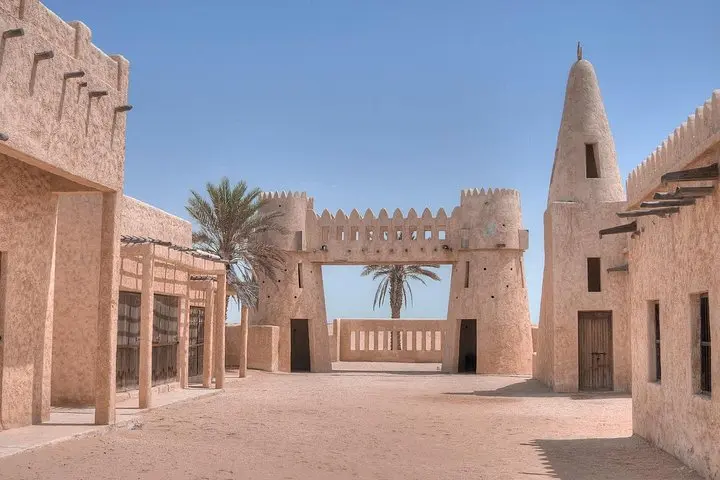
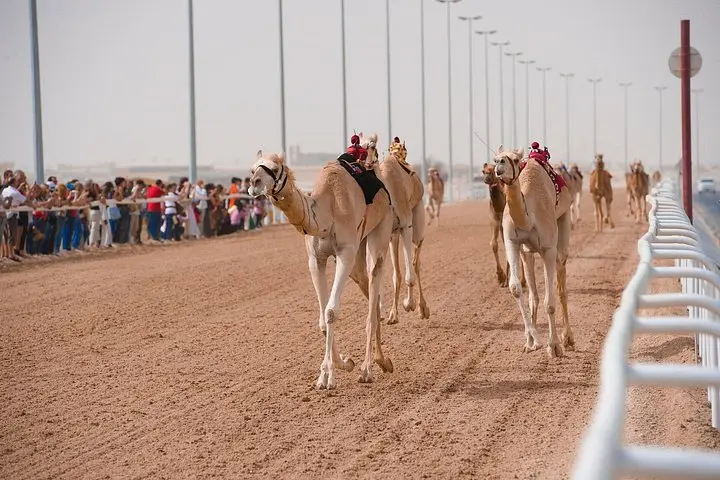
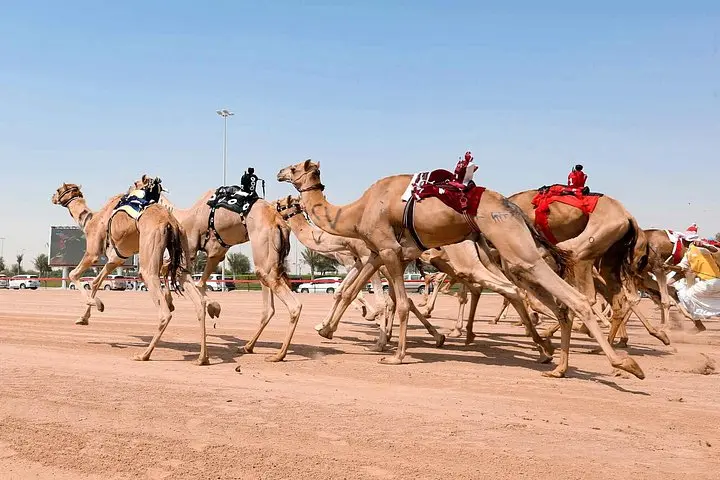
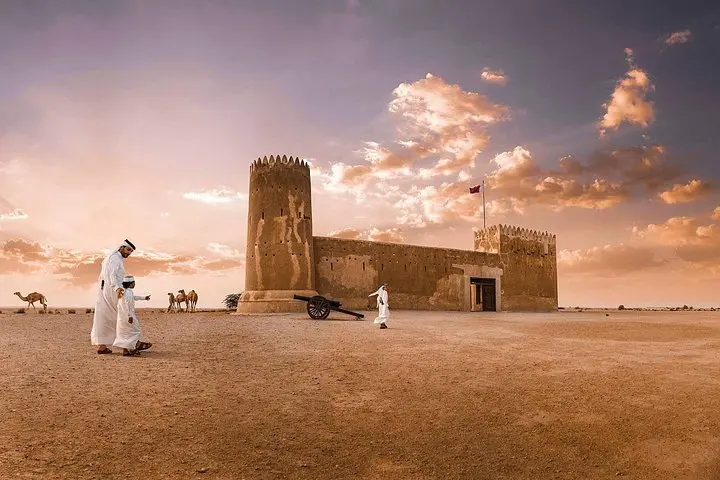
The day unfolds as a sequence of sharp landmarks: Al Shahaniya’s camel racetrack, where powerful animals line up in quiet dignity next to robotic jockeys; the ruins of Zekreet with its low, weathered fort walls and parallel date-processing channels; the surprising Film City, a faux historic village carved into the peninsula; and finally Richard Serra’s East–West / West–East, four fourteen-meter steel plates standing like slow-moving tectonic markers across the Brouq reserve. Each stop reads the country’s recent history — pearling and fishing settlements, tribal routes, modern leisure culture — and the geology that formed this coast: compacted limestone, chalky white outcrops, and wind-sculpted ridges that give the landscape its stark profile.
Culturally, the route is a study in contrasts: traditional camel husbandry and date processing sit alongside contemporary art and film sets. Wildlife is subtle but present — kestrels, lizards and desert foxes find niches between rock and scrub.
Practical guidance: plan a morning or late-afternoon visit to avoid the hottest hours, carry at least 1.5–2 liters of water per person, and wear sun protection and closed shoes for uneven ground. Roads between sites are drivable in a standard car but expect dusty, unpaved short stretches; a knowledgeable local driver makes the most of photographic light and offers context at each stop.
The private tour runs about four hours with flexible start times; stops typically include Al Shahaniya, Zekreet Fort, Film City and the Richard Serra sculpture.
Yes — visitors can walk around the installation but should stay off the steel surfaces and follow the guide’s instructions to protect the artwork and avoid hazards.
You can visit the Al Shahaniya track outside race times to see training and stables; scheduled races are occasional, so check local listings or ask your guide for timings.
Most of the route is accessible by a standard car, but short unpaved stretches are dusty; a skilled local driver is recommended for comfort and safety.
Friendly Local Guides operates guided outdoor trips and adventures with an emphasis on safety, stewardship, and memorable experiences.
You leave Doha behind and the city’s heat hum fades; the road bends toward a pale, cinematic desert where wind writes new tracks across stone and sand.
You leave Doha behind and the city’s heat hum fades; the road bends toward a pale, cinematic desert where wind writes new tracks across stone and sand.
The day unfolds as a sequence of sharp landmarks: Al Shahaniya’s camel racetrack, where powerful animals line up in quiet dignity next to robotic jockeys; the ruins of Zekreet with its low, weathered fort walls and parallel date-processing channels; the surprising Film City, a faux historic village carved into the peninsula; and finally Richard Serra’s East–West / West–East, four fourteen-meter steel plates standing like slow-moving tectonic markers across the Brouq reserve. Each stop reads the country’s recent history — pearling and fishing settlements, tribal routes, modern leisure culture — and the geology that formed this coast: compacted limestone, chalky white outcrops, and wind-sculpted ridges that give the landscape its stark profile.
Culturally, the route is a study in contrasts: traditional camel husbandry and date processing sit alongside contemporary art and film sets. Wildlife is subtle but present — kestrels, lizards and desert foxes find niches between rock and scrub.
Practical guidance: plan a morning or late-afternoon visit to avoid the hottest hours, carry at least 1.5–2 liters of water per person, and wear sun protection and closed shoes for uneven ground. Roads between sites are drivable in a standard car but expect dusty, unpaved short stretches; a knowledgeable local driver makes the most of photographic light and offers context at each stop.