THE ADVENTURE COLLECTIVE® · Independent discovery and booking for outdoor travel

Drive west from Doha into a landscape where giant steel plates meet wind-carved limestone and mushroom rocks. This half-day private tour combines Richard Serra’s dramatic installation with Zekreet Fort, camel-training tracks, and stark desert geology.
Drive west from Doha into a landscape where giant steel plates meet wind-carved limestone and mushroom rocks. This half-day private tour combines Richard Serra’s dramatic installation with Zekreet Fort, camel-training tracks, and stark desert geology.
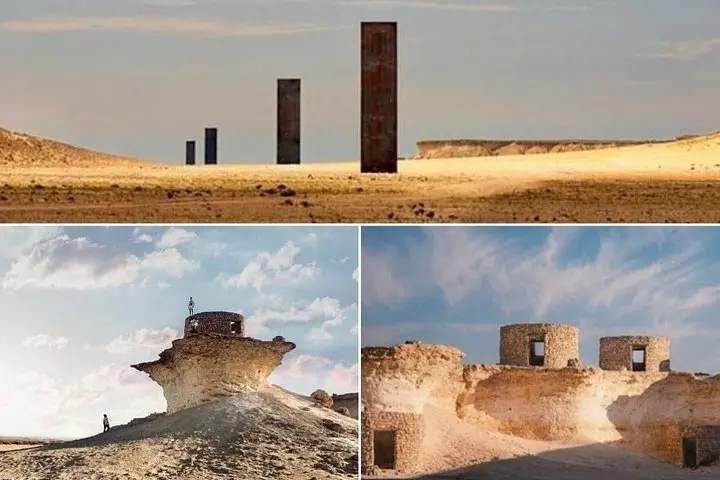
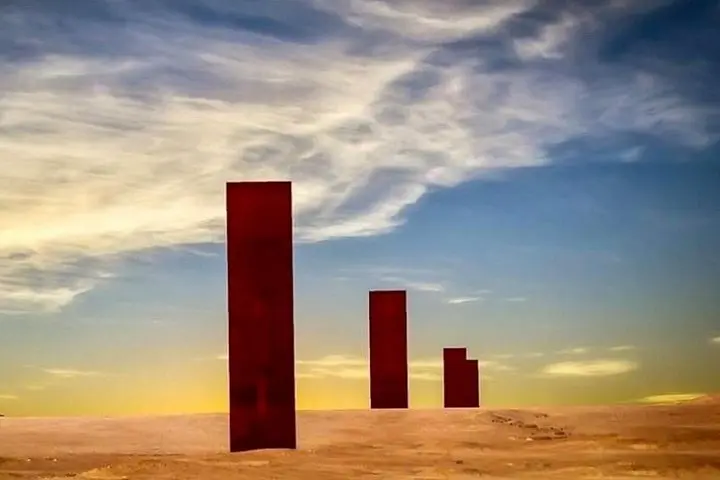
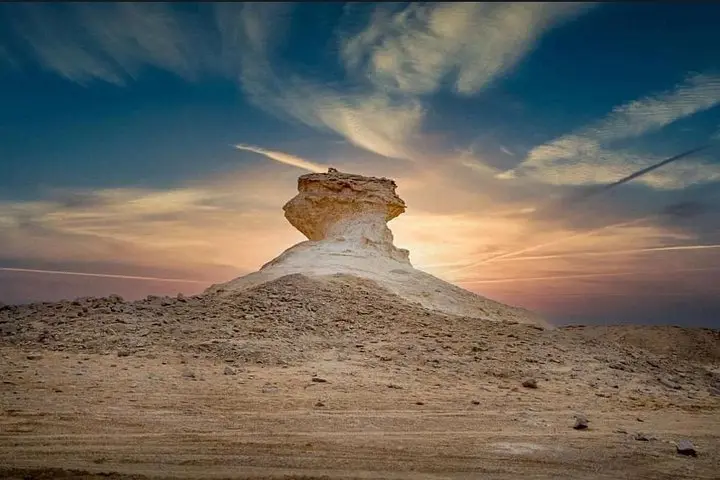
A low, brassy sun sits over the Gulf as the road west of Doha peels away from the bright city into flat, wind-swept desert. The tour moves between shockingly vertical steel plates that slice the horizon and chalky white cliffs shaped by wind and salt. You stand where art interrupts emptiness — Serra’s four, fourteen‑meter plates aligning with the land — then pivot to view low mushroom rocks and a compact fort that watches the plain.
Verified experiences and guided adventures in the surrounding area.
Operated by Wanderlust Tourism · Zekreet (Ras Abrouq area), Al Shahaniya
A low, brassy sun sits over the Gulf as the road west of Doha peels away from the bright city into flat, wind-swept desert. The tour moves between shockingly vertical steel plates that slice the horizon and chalky white cliffs shaped by wind and salt. You stand where art interrupts emptiness — Serra’s four, fourteen‑meter plates aligning with the land — then pivot to view low mushroom rocks and a compact fort that watches the plain.
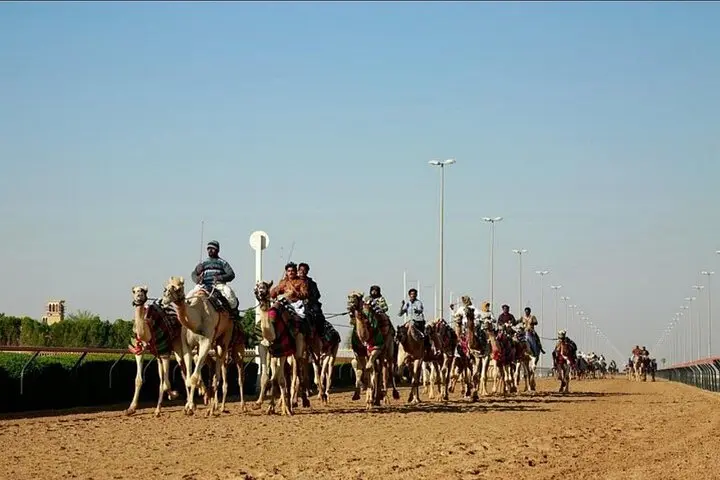
Zekreet Fort dates to the late 18th or early 19th century and reads as a compact military node in a landscape dominated by erosion. Geology here is visible history: soft limestone layers weather into wind-sculpted ridges and mushroom-shaped hills that betray persistent coastal winds and ancient marine deposits. Culture in this part of Qatar is simple and practical — camel training tracks and small coastal settlements still pulse with traditional rhythms alongside curated modern art placed directly in the wild.
Practically, this is a half-day drive-and-walk experience. Expect short, flat walks on compacted sand and limestone; timed stops let you explore sculptures and formations in 20–60 minute windows. Bring sun protection, at least 1–2 liters of water per person, and a vehicle with decent clearance if you’re self-driving. Morning or late afternoon visits avoid the midday heat and produce the best light for photographs. Guides usually provide bottled water and hotel pickup; respect markers, avoid climbing fragile formations, and keep to established approach routes to protect a delicate desert ecosystem.
The tour is approximately four hours, including hotel pickup and several stops for viewing and short walks.
Yes—visitors can approach and walk between the steel plates, but climbing or touching the plates is discouraged to preserve the site.
Facilities are limited in the Brouq/Zekreet area; plan accordingly and use facilities in Doha before departure when possible.
Yes—photography is encouraged; however drone use may be restricted and should follow local regulations and tour operator guidance.
Wanderlust Tourism operates guided outdoor trips and adventures with an emphasis on safety, stewardship, and memorable experiences.
A low, brassy sun sits over the Gulf as the road west of Doha peels away from the bright city into flat, wind-swept desert. The tour moves between shockingly vertical steel plates that slice the horizon and chalky white cliffs shaped by wind and salt. You stand where art interrupts emptiness — Serra’s four, fourteen‑meter plates aligning with the land — then pivot to view low mushroom rocks and a compact fort that watches the plain.
A low, brassy sun sits over the Gulf as the road west of Doha peels away from the bright city into flat, wind-swept desert. The tour moves between shockingly vertical steel plates that slice the horizon and chalky white cliffs shaped by wind and salt. You stand where art interrupts emptiness — Serra’s four, fourteen‑meter plates aligning with the land — then pivot to view low mushroom rocks and a compact fort that watches the plain.
Zekreet Fort dates to the late 18th or early 19th century and reads as a compact military node in a landscape dominated by erosion. Geology here is visible history: soft limestone layers weather into wind-sculpted ridges and mushroom-shaped hills that betray persistent coastal winds and ancient marine deposits. Culture in this part of Qatar is simple and practical — camel training tracks and small coastal settlements still pulse with traditional rhythms alongside curated modern art placed directly in the wild.
Practically, this is a half-day drive-and-walk experience. Expect short, flat walks on compacted sand and limestone; timed stops let you explore sculptures and formations in 20–60 minute windows. Bring sun protection, at least 1–2 liters of water per person, and a vehicle with decent clearance if you’re self-driving. Morning or late afternoon visits avoid the midday heat and produce the best light for photographs. Guides usually provide bottled water and hotel pickup; respect markers, avoid climbing fragile formations, and keep to established approach routes to protect a delicate desert ecosystem.