THE ADVENTURE COLLECTIVE® · Independent discovery and booking for outdoor travel

Climb the naga stairway or take the cable car to Doi Suthep’s golden chedi, then stroll the floral terraces of Phu Ping Palace on this compact half‑day cultural tour from Chiang Mai. Expect sweeping views, historic murals, and strict temple etiquette.
Climb the naga stairway or take the cable car to Doi Suthep’s golden chedi, then stroll the floral terraces of Phu Ping Palace on this compact half‑day cultural tour from Chiang Mai. Expect sweeping views, historic murals, and strict temple etiquette.
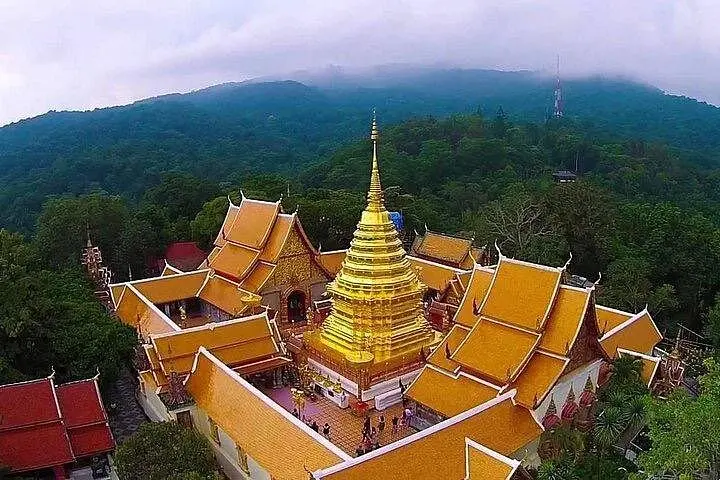
A morning drive peels away from Chiang Mai’s grid and climbs into cool, thinning air, the city shrinking beneath you until the golden spire of Wat Phra That Doi Suthep appears above the treeline like a compass point. The ascent ends at a wide plaza; visitors choose the classic rite—306 steps up a naga‑flanked staircase—or a cable car that spares the legs but not the view.
Verified experiences and guided adventures in the surrounding area.
Operated by Sightseeingbangkok.com · Chiang Mai, Chiang Mai Province
A morning drive peels away from Chiang Mai’s grid and climbs into cool, thinning air, the city shrinking beneath you until the golden spire of Wat Phra That Doi Suthep appears above the treeline like a compass point. The ascent ends at a wide plaza; visitors choose the classic rite—306 steps up a naga‑flanked staircase—or a cable car that spares the legs but not the view.
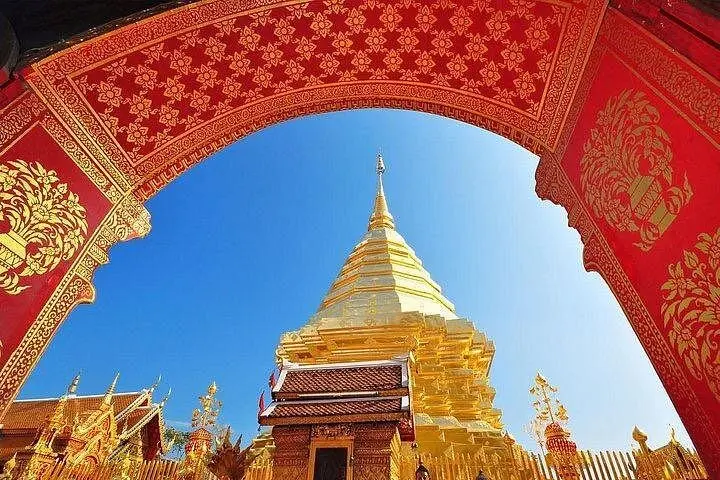
The temple dates to the 14th century and centers on a chedi said to house a relic of the Buddha. Walls display historic murals and shrines, and the shrine to the white elephant recalls the myth behind the temple’s founding. Geologically, the mountain is part of the Thanon Thong Chai Range, a ridge of weathered sandstone and lateritic soils that give way to shaded evergreen forest and orchids as elevation rises.
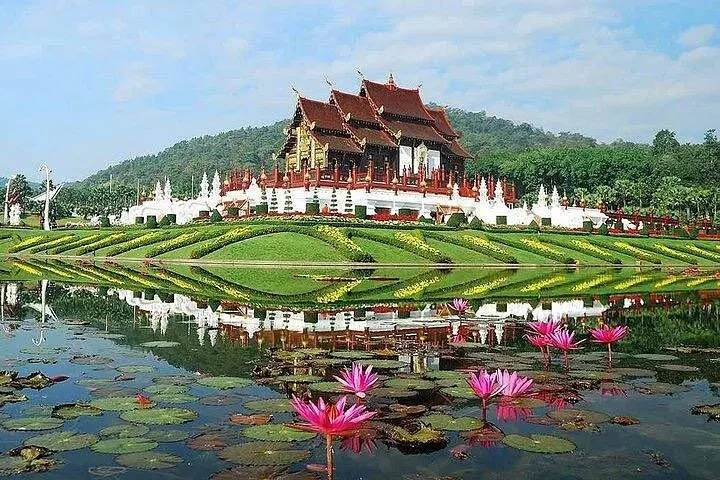
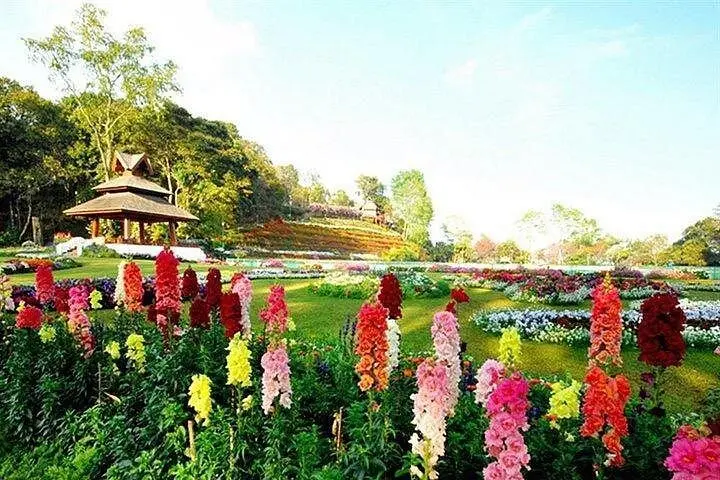
A short drive brings you to Phu Ping Palace, the royal winter residence built in 1962. Its compact grounds showcase temperate flower beds and tropical specimens—horticultural experiments that reflect northern Thailand’s microclimates.
Practical guidance: allow about four hours for the round trip, dress modestly (shoulders and knees covered), and bring water and sun protection. Early morning or late afternoon light is best for photos and cooler walking. Respect temple etiquette—remove shoes in inner shrine areas, speak quietly, and avoid pointing feet at images of the Buddha. The route is accessible for most fitness levels but expect uneven steps, incense smoke, and crowds during peak season.
The temple sits roughly 1,069 meters (about 3,500 feet) above sea level, offering panoramic views over Chiang Mai.
Yes—there is a short cable car from the parking area to the temple plaza for visitors who prefer not to climb the 306 steps.
The palace grounds are typically open year‑round, though specific buildings may close for royal events or maintenance; check local listings before you go.
No—remove shoes before entering inner shrine areas and always follow posted signs and staff instructions.
Sightseeingbangkok.com operates guided outdoor trips and adventures with an emphasis on safety, stewardship, and memorable experiences.
A morning drive peels away from Chiang Mai’s grid and climbs into cool, thinning air, the city shrinking beneath you until the golden spire of Wat Phra That Doi Suthep appears above the treeline like a compass point. The ascent ends at a wide plaza; visitors choose the classic rite—306 steps up a naga‑flanked staircase—or a cable car that spares the legs but not the view.
A morning drive peels away from Chiang Mai’s grid and climbs into cool, thinning air, the city shrinking beneath you until the golden spire of Wat Phra That Doi Suthep appears above the treeline like a compass point. The ascent ends at a wide plaza; visitors choose the classic rite—306 steps up a naga‑flanked staircase—or a cable car that spares the legs but not the view.
The temple dates to the 14th century and centers on a chedi said to house a relic of the Buddha. Walls display historic murals and shrines, and the shrine to the white elephant recalls the myth behind the temple’s founding. Geologically, the mountain is part of the Thanon Thong Chai Range, a ridge of weathered sandstone and lateritic soils that give way to shaded evergreen forest and orchids as elevation rises.
A short drive brings you to Phu Ping Palace, the royal winter residence built in 1962. Its compact grounds showcase temperate flower beds and tropical specimens—horticultural experiments that reflect northern Thailand’s microclimates.
Practical guidance: allow about four hours for the round trip, dress modestly (shoulders and knees covered), and bring water and sun protection. Early morning or late afternoon light is best for photos and cooler walking. Respect temple etiquette—remove shoes in inner shrine areas, speak quietly, and avoid pointing feet at images of the Buddha. The route is accessible for most fitness levels but expect uneven steps, incense smoke, and crowds during peak season.