THE ADVENTURE COLLECTIVE® · Independent discovery and booking for outdoor travel

Climb the 306-step naga stairway to Wat Phra That Doi Suthep and trade Chiang Mai’s bustle for panoramic temple views. This half-day tour pairs cultural history with a brief mountain ascent—ideal for a morning or afternoon outing.
Climb the 306-step naga stairway to Wat Phra That Doi Suthep and trade Chiang Mai’s bustle for panoramic temple views. This half-day tour pairs cultural history with a brief mountain ascent—ideal for a morning or afternoon outing.
You emerge from the humid lowland air and the road tightens into hairpins, the city shrinking below as green ridgelines close in. At the top, Wat Phra That Doi Suthep sits bright against the sky: gilded spires, rows of bells, and the carved naga that guard the stairway. Winds push past prayer flags and the city panorama opens—roofs, rice paddies, and the Mae Ping River threading the plain.
Verified experiences and guided adventures in the surrounding area.
Operated by Panorama Destination Thailand · Chiang Mai, Chiang Mai Province
You emerge from the humid lowland air and the road tightens into hairpins, the city shrinking below as green ridgelines close in. At the top, Wat Phra That Doi Suthep sits bright against the sky: gilded spires, rows of bells, and the carved naga that guard the stairway. Winds push past prayer flags and the city panorama opens—roofs, rice paddies, and the Mae Ping River threading the plain.
Built in 1383 to enshrine a Buddha relic, Doi Suthep perches at about 1,615 metres on the western rim of the Ping Basin. The mountain’s geology is older metamorphic and sandstone, eroded into steep slopes now covered by mixed deciduous and evergreen forest—part of Doi Suthep–Pui National Park. The temple is both a spiritual center and a cultural landmark; monks perform daily chants while local Lanna customs appear in architecture and mural work.
Practical guidance: expect a short climb—either the 306-step naga stairway or a gentler driveway up to the courtyard. Morning visits are cooler and clearer for photos; afternoons can be hazy and busier. Dress respectfully (shoulders and knees covered) and carry water: shade is limited between structures and viewpoints. Wear stable shoes—the temple grounds have tiled and uneven surfaces—and plan for three to four hours including transfers.
Local vendors sell simple snacks and incense; avoid feeding wildlife and follow signage within the park. The tour balances easy walking with cultural immersion and panoramic reward—ideal for travelers who want a compact mountain escape from Chiang Mai.
The typical half-day tour runs about 3–4 hours including transfers—morning (08:30–12:00) or afternoon (13:30–17:00) departures are common.
No—there is a paved access road and parking near the temple courtyard for those who prefer to avoid the stairway, though many visitors choose the steps for the experience.
An admission or donation is usually required to enter Wat Phra That Doi Suthep; the tour description indicates admission is included where noted—confirm at booking.
Yes—children and older visitors can enjoy the grounds, but infants should be secured during road transfers and the steps may be challenging for strollers.
Panorama Destination Thailand operates guided outdoor trips and adventures with an emphasis on safety, stewardship, and memorable experiences.


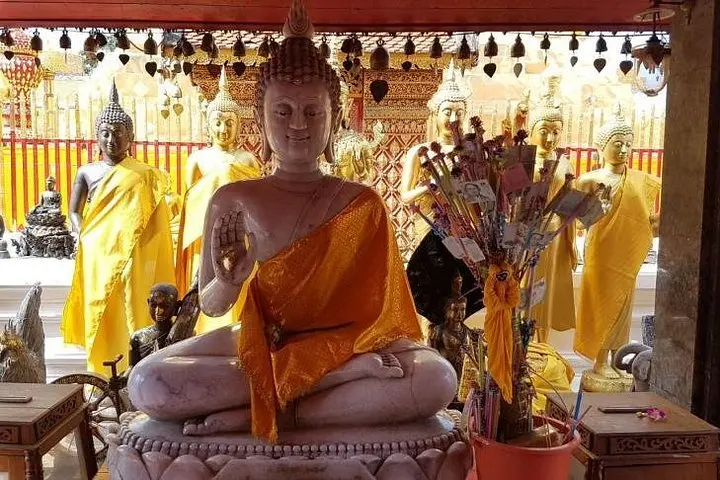
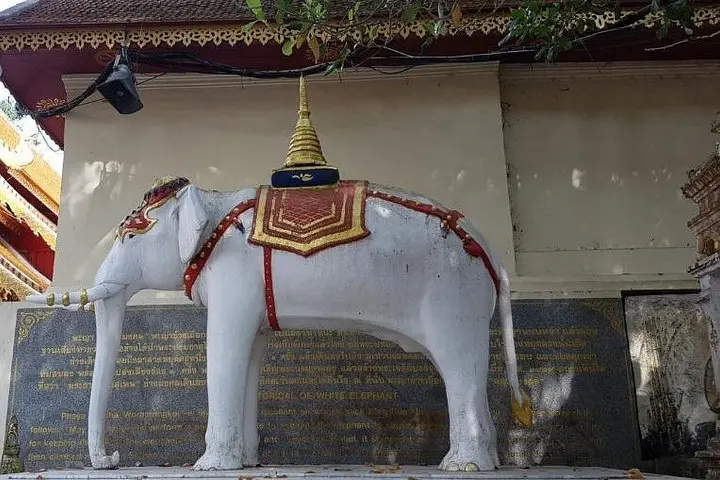
You emerge from the humid lowland air and the road tightens into hairpins, the city shrinking below as green ridgelines close in. At the top, Wat Phra That Doi Suthep sits bright against the sky: gilded spires, rows of bells, and the carved naga that guard the stairway. Winds push past prayer flags and the city panorama opens—roofs, rice paddies, and the Mae Ping River threading the plain.
You emerge from the humid lowland air and the road tightens into hairpins, the city shrinking below as green ridgelines close in. At the top, Wat Phra That Doi Suthep sits bright against the sky: gilded spires, rows of bells, and the carved naga that guard the stairway. Winds push past prayer flags and the city panorama opens—roofs, rice paddies, and the Mae Ping River threading the plain.
Built in 1383 to enshrine a Buddha relic, Doi Suthep perches at about 1,615 metres on the western rim of the Ping Basin. The mountain’s geology is older metamorphic and sandstone, eroded into steep slopes now covered by mixed deciduous and evergreen forest—part of Doi Suthep–Pui National Park. The temple is both a spiritual center and a cultural landmark; monks perform daily chants while local Lanna customs appear in architecture and mural work.
Practical guidance: expect a short climb—either the 306-step naga stairway or a gentler driveway up to the courtyard. Morning visits are cooler and clearer for photos; afternoons can be hazy and busier. Dress respectfully (shoulders and knees covered) and carry water: shade is limited between structures and viewpoints. Wear stable shoes—the temple grounds have tiled and uneven surfaces—and plan for three to four hours including transfers.
Local vendors sell simple snacks and incense; avoid feeding wildlife and follow signage within the park. The tour balances easy walking with cultural immersion and panoramic reward—ideal for travelers who want a compact mountain escape from Chiang Mai.