THE ADVENTURE COLLECTIVE® · Independent discovery and booking for outdoor travel

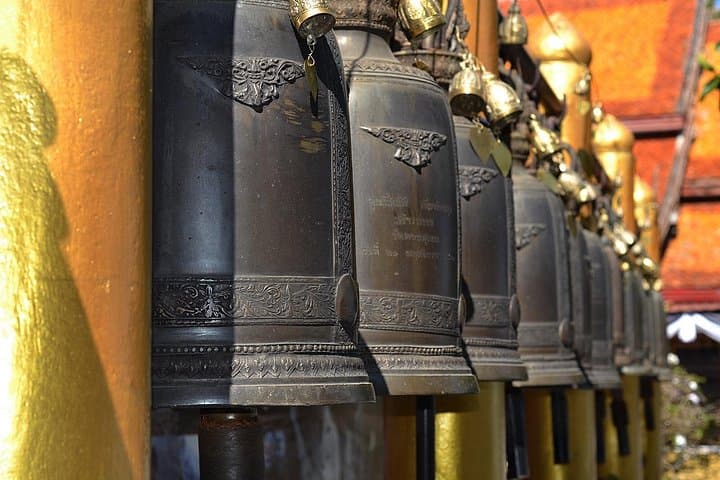
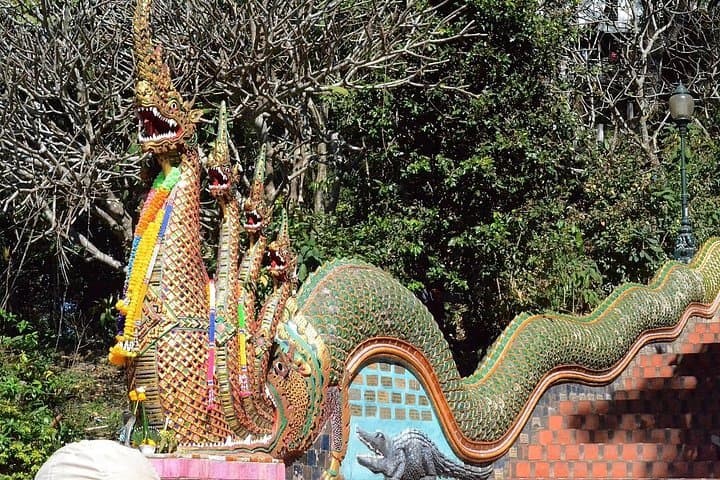
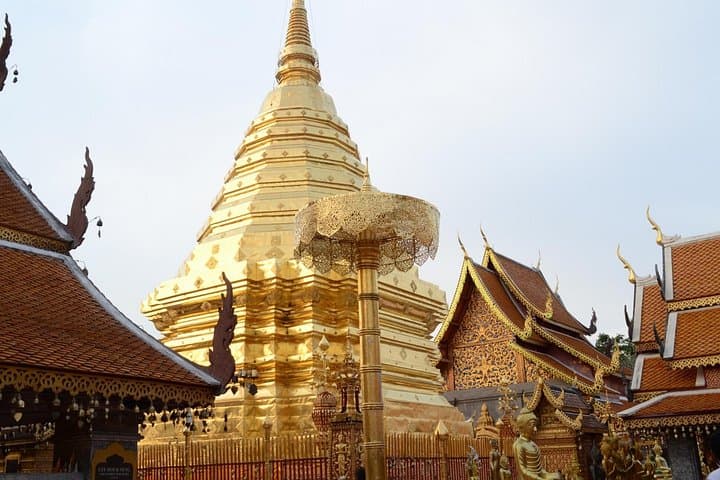
Join an early-morning hike up Doi Suthep to take part in Tak Bat — the monks' alms offering — then continue to Wat Phra That Doi Suthep for sweeping views. This easy hike combines light trail walking with cultural immersion and local breakfast.
Join an early-morning hike up Doi Suthep to take part in Tak Bat — the monks' alms offering — then continue to Wat Phra That Doi Suthep for sweeping views. This easy hike combines light trail walking with cultural immersion and local breakfast.
Before dawn the mountain exhales cool air and lights sharpen along the ridge — hikers gather in silence to join the Tak Bat, the monks' alms procession that still shapes daily life here.
Verified experiences and guided adventures in the surrounding area.
Operated by GoWithJoe · Chiang Mai, Chiang Mai
Before dawn the mountain exhales cool air and lights sharpen along the ridge — hikers gather in silence to join the Tak Bat, the monks' alms procession that still shapes daily life here.
The tour begins with a short, steady climb on the monk's trail up Doi Suthep. The path is forested granite and compact earth, taking about 30–45 minutes at an easy pace; small streams and a waterfall break the climb and foliage leans close as if to listen. At Wat Palad, the group pauses for a simple local breakfast of sticky rice, northern sausage and chili paste, then a short drive brings you to Wat Phra That Doi Suthep for panoramic views over Chiang Mai.
Doi Suthep stands on limestone ridges formed by uplifted sediments and older volcanic activity; the temple itself dates to the 14th century and remains a center of Lanna Buddhist practice. Cultural notes matter: the Tak Bat ritual is quiet and reverent, and the hill has long been a pilgrimage route rather than a tourist attraction — your presence is part of that living tradition.
Practical guidance: start early to avoid heat and crowds, wear modest clothing that covers shoulders and knees for temple visits, and bring closed-toe shoes suited for uneven stone steps. Expect about 3–4 hours including transfers; guides typically provide bottled water and a local breakfast box. Respect the monks’ space, keep voices low, and avoid feeding wildlife. With simple preparation, this combination of light hiking, cultural immersion and mountain air makes for a memorable Chiang Mai morning.
The trail is short and steady—about 30–45 minutes of uphill walking on compact dirt and stone; it’s rated easy and suitable for most visitors.
Yes; visitors may observe and offer food respectfully following the guide’s instructions — maintain silence and keep a small distance from the monks.
Yes; the tour is family-friendly but young children should be supervised on the trail and during the ceremony due to crowds and steep steps.
The cool, dry season (November–February) offers the most comfortable temperatures and clearer views; monsoon months can make trails slippery.
GoWithJoe operates guided outdoor trips and adventures with an emphasis on safety, stewardship, and memorable experiences.

Before dawn the mountain exhales cool air and lights sharpen along the ridge — hikers gather in silence to join the Tak Bat, the monks' alms procession that still shapes daily life here.
Before dawn the mountain exhales cool air and lights sharpen along the ridge — hikers gather in silence to join the Tak Bat, the monks' alms procession that still shapes daily life here.
The tour begins with a short, steady climb on the monk's trail up Doi Suthep. The path is forested granite and compact earth, taking about 30–45 minutes at an easy pace; small streams and a waterfall break the climb and foliage leans close as if to listen. At Wat Palad, the group pauses for a simple local breakfast of sticky rice, northern sausage and chili paste, then a short drive brings you to Wat Phra That Doi Suthep for panoramic views over Chiang Mai.
Doi Suthep stands on limestone ridges formed by uplifted sediments and older volcanic activity; the temple itself dates to the 14th century and remains a center of Lanna Buddhist practice. Cultural notes matter: the Tak Bat ritual is quiet and reverent, and the hill has long been a pilgrimage route rather than a tourist attraction — your presence is part of that living tradition.
Practical guidance: start early to avoid heat and crowds, wear modest clothing that covers shoulders and knees for temple visits, and bring closed-toe shoes suited for uneven stone steps. Expect about 3–4 hours including transfers; guides typically provide bottled water and a local breakfast box. Respect the monks’ space, keep voices low, and avoid feeding wildlife. With simple preparation, this combination of light hiking, cultural immersion and mountain air makes for a memorable Chiang Mai morning.