THE ADVENTURE COLLECTIVE® · Independent discovery and booking for outdoor travel

Follow the Monk's Trail through jungle shrines and mossy steps to Wat Phra That Doi Suthep, then push on to Ban Khun Chang Khian for sweeping views and village life. This full-day 12 km trek blends culture, ecology, and sustained climbing.
Follow the Monk's Trail through jungle shrines and mossy steps to Wat Phra That Doi Suthep, then push on to Ban Khun Chang Khian for sweeping views and village life. This full-day 12 km trek blends culture, ecology, and sustained climbing.
Morning mist clings to the lower ridges as a small group threads the Monk's Trail, feet finding roots and stone while the jungle presses close. Birdsong and distant temple bells set the cadence; the trail climbs steadily away from Chiang Mai's heat toward the cool canopy of Doi Suthep-Pui National Park.
Verified experiences and guided adventures in the surrounding area.
Operated by Chiang Mai Mountain Biking & Kayaks · Chiang Mai, Chiang Mai
Morning mist clings to the lower ridges as a small group threads the Monk's Trail, feet finding roots and stone while the jungle presses close. Birdsong and distant temple bells set the cadence; the trail climbs steadily away from Chiang Mai's heat toward the cool canopy of Doi Suthep-Pui National Park.
This route threads living history: Wat Pha Lat, an intimate forest shrine, predates the grand Wat Phra That Doi Suthep that crowns the mountain and has drawn pilgrims since the 14th century. Geologically the range is older volcanic foothills; soils are red clay and granite outcrops, and the ascent reveals a change from lowland teak and bamboo to montane oak and rhododendron near Ban Khun Chang Khian.
Culture arrives on the ridge as village life — Hmong gardeners tending vegetable terraces and small tea plots — and guides translate both ecology and local customs. Wildlife is encountered more often as quick flashes: squirrels, hornbills calling across the valley, and troops of long-tailed macaques near temple clearings.
Practical guidance: expect about 12 km and roughly 700–1,000 m cumulative ascent over 6–7 hours with singletrack, stair sections at the temple, and muddy patches in the wet season. Bring a full water reservoir, sturdy treaded shoes, a light rain shell, and layered clothing for a 10–15°C drop at elevation. The park charges an entrance fee (approx THB 250); operators generally provide lunch, guide support, and a truck ride back down. Start early to avoid midday heat and temple crowds, respect village protocols, and leave no trace: the mountain's trails reward steady, respectful travel.
The guided itinerary covers roughly 12 km with 700–1,000 m ascent spread over 6–7 hours; it is rated moderate and suits hikers comfortable with full-day climbs.
Yes, Doi Suthep-Pui National Park typically charges an entrance fee (around THB 250); confirm current rates with your operator.
Families with older children who can handle sustained uphill walking can join, but those with limited hiking experience should assess fitness and consider the shorter temple route only.
Operators monitor trail conditions and will substitute a safer route if sections are closed; refunds follow the provider's cancellation policy.
Chiang Mai Mountain Biking & Kayaks operates guided outdoor trips and adventures with an emphasis on safety, stewardship, and memorable experiences.
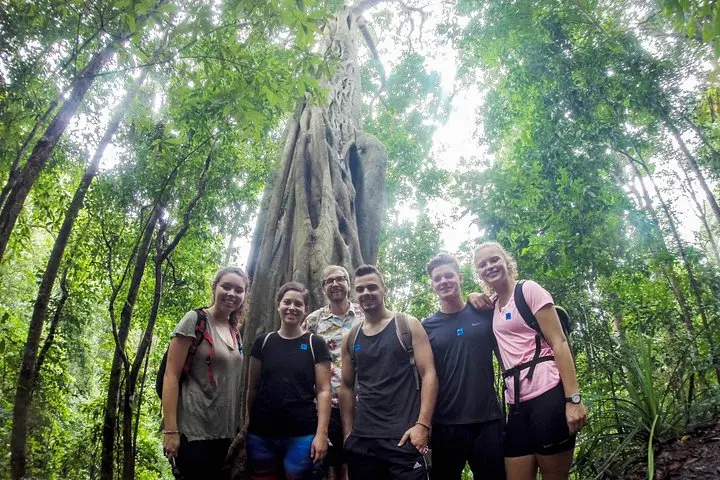
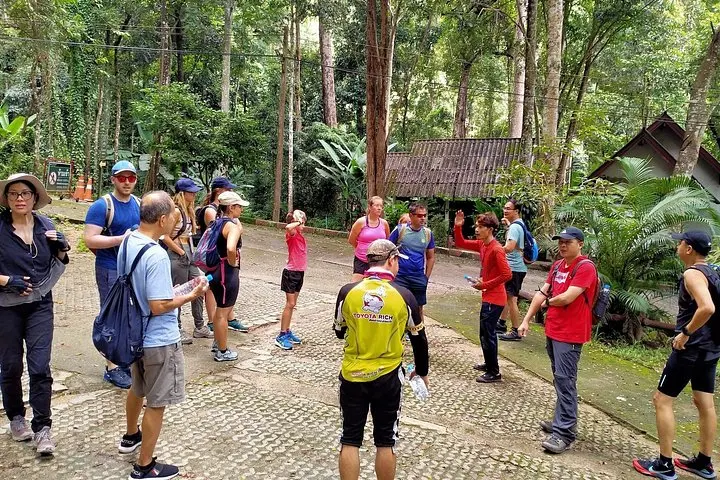
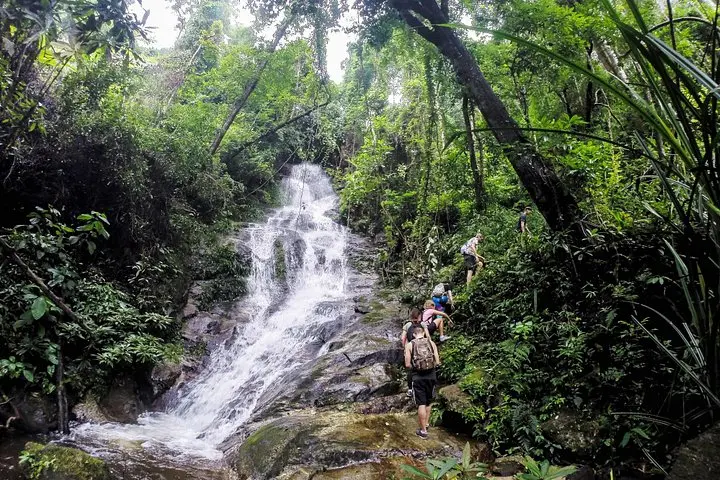
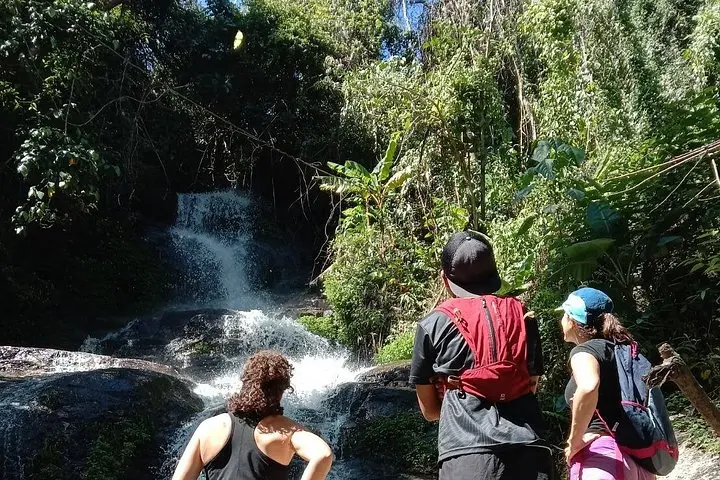
Morning mist clings to the lower ridges as a small group threads the Monk's Trail, feet finding roots and stone while the jungle presses close. Birdsong and distant temple bells set the cadence; the trail climbs steadily away from Chiang Mai's heat toward the cool canopy of Doi Suthep-Pui National Park.
Morning mist clings to the lower ridges as a small group threads the Monk's Trail, feet finding roots and stone while the jungle presses close. Birdsong and distant temple bells set the cadence; the trail climbs steadily away from Chiang Mai's heat toward the cool canopy of Doi Suthep-Pui National Park.
This route threads living history: Wat Pha Lat, an intimate forest shrine, predates the grand Wat Phra That Doi Suthep that crowns the mountain and has drawn pilgrims since the 14th century. Geologically the range is older volcanic foothills; soils are red clay and granite outcrops, and the ascent reveals a change from lowland teak and bamboo to montane oak and rhododendron near Ban Khun Chang Khian.
Culture arrives on the ridge as village life — Hmong gardeners tending vegetable terraces and small tea plots — and guides translate both ecology and local customs. Wildlife is encountered more often as quick flashes: squirrels, hornbills calling across the valley, and troops of long-tailed macaques near temple clearings.
Practical guidance: expect about 12 km and roughly 700–1,000 m cumulative ascent over 6–7 hours with singletrack, stair sections at the temple, and muddy patches in the wet season. Bring a full water reservoir, sturdy treaded shoes, a light rain shell, and layered clothing for a 10–15°C drop at elevation. The park charges an entrance fee (approx THB 250); operators generally provide lunch, guide support, and a truck ride back down. Start early to avoid midday heat and temple crowds, respect village protocols, and leave no trace: the mountain's trails reward steady, respectful travel.