THE ADVENTURE COLLECTIVE® · Independent discovery and booking for outdoor travel

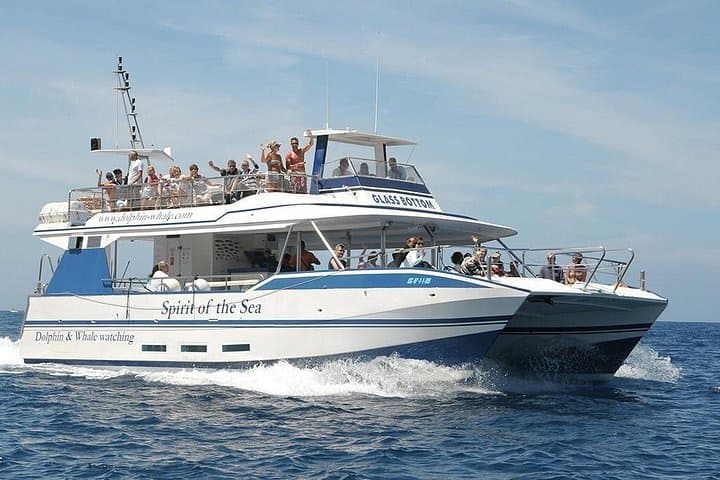
Board the Spirit of the Sea from Puerto Rico for a 2.5-hour, permit-led wildlife cruise along Gran Canaria’s southwest coast. Expect glass-bottom glimpses, expert commentary, and common sightings of dolphins and pilot whales in protected, ethical viewing zones.
Board the Spirit of the Sea from Puerto Rico for a 2.5-hour, permit-led wildlife cruise along Gran Canaria’s southwest coast. Expect glass-bottom glimpses, expert commentary, and common sightings of dolphins and pilot whales in protected, ethical viewing zones.
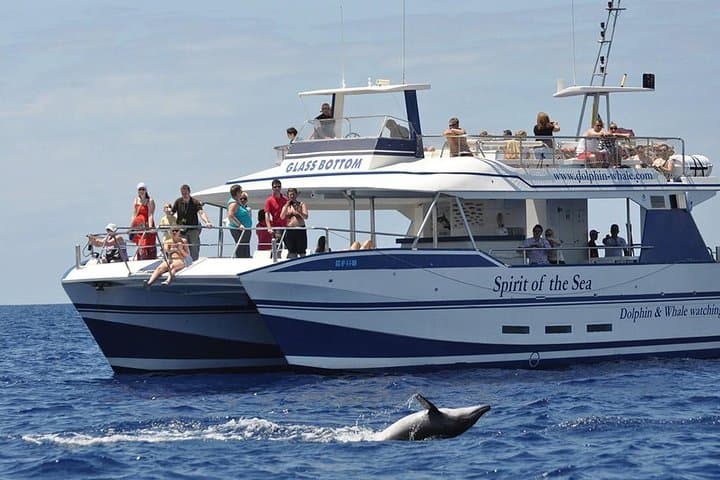
The bow cuts through Atlantic blue as Puerto Rico’s marina shrinks behind you and the island’s volcanic cliffs slide into view. Sea spray cools your face while the Spirit of the Sea settles into a steady cruise along Gran Canaria’s southwest coast, glass-bottom panels offering a glimpse of the world beneath the wake.
Verified experiences and guided adventures in the surrounding area.
Operated by Tour2b · Puerto Rico, Gran Canaria
The bow cuts through Atlantic blue as Puerto Rico’s marina shrinks behind you and the island’s volcanic cliffs slide into view. Sea spray cools your face while the Spirit of the Sea settles into a steady cruise along Gran Canaria’s southwest coast, glass-bottom panels offering a glimpse of the world beneath the wake.
The Canary archipelago sits on an ancient volcanic platform; underwater lava formations and sudden drop-offs concentrate marine life here. For centuries these waters fed local fishing communities and drew naturalists recording the archipelago’s rich cetacean diversity. Today, licensed operators follow strict rules to give space to dolphins, pilot whales, and other cetaceans while explaining behavior and conservation.
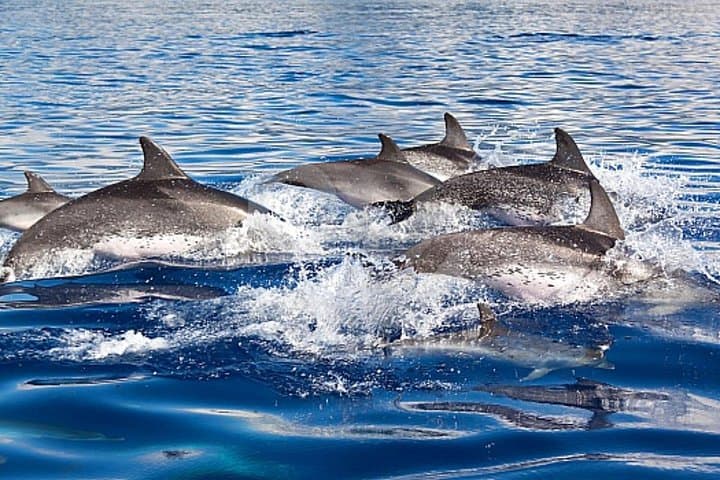
On a typical 2.5-hour outing you’ll scan choppy blue for surfacing blows, dorsal fins slicing the water as dolphins herd fish or bow-ride ahead of the boat. The glass-bottom viewing is best when the sea is calm; otherwise the crew’s binoculars and knowledge become the primary window. Crew commentary identifies species and points out how currents and underwater topography shape feeding hotspots.
Practical notes: departures at 10:30 am and 1:30 pm, trips last about 150 minutes, and many operators include pickup from nearby resorts (confirm zones). Dress in layers, bring sunscreen, and carry seasickness remedies if you’re prone. Respect the no-chase rules—ethical watching increases sighting chances long term. If you don’t see dolphins, most operators offer a return pass. Whether it’s the click of a pod communicating or the sudden arc of a breaching whale, the trip pairs easy access with a clear conservation message.
Dolphin sightings are common in these waters; whales and larger species are less frequent but possible—operators often offer a return pass if no cetaceans are seen.
Yes—trips are rated easy and many vessels are family-friendly, but check boarding accessibility and consider motion-sickness needs for sensitive passengers.
Glass panels offer a view of near-surface life and occasional flashes of movement below; visibility depends on sea state and sunlight, so mornings are usually best.
Yes—licensed operators follow Canary Islands regulations that set approach distances and behavior to minimize disturbance to cetaceans.
Tour2b operates guided outdoor trips and adventures with an emphasis on safety, stewardship, and memorable experiences.

The bow cuts through Atlantic blue as Puerto Rico’s marina shrinks behind you and the island’s volcanic cliffs slide into view. Sea spray cools your face while the Spirit of the Sea settles into a steady cruise along Gran Canaria’s southwest coast, glass-bottom panels offering a glimpse of the world beneath the wake.
The bow cuts through Atlantic blue as Puerto Rico’s marina shrinks behind you and the island’s volcanic cliffs slide into view. Sea spray cools your face while the Spirit of the Sea settles into a steady cruise along Gran Canaria’s southwest coast, glass-bottom panels offering a glimpse of the world beneath the wake.
The Canary archipelago sits on an ancient volcanic platform; underwater lava formations and sudden drop-offs concentrate marine life here. For centuries these waters fed local fishing communities and drew naturalists recording the archipelago’s rich cetacean diversity. Today, licensed operators follow strict rules to give space to dolphins, pilot whales, and other cetaceans while explaining behavior and conservation.
On a typical 2.5-hour outing you’ll scan choppy blue for surfacing blows, dorsal fins slicing the water as dolphins herd fish or bow-ride ahead of the boat. The glass-bottom viewing is best when the sea is calm; otherwise the crew’s binoculars and knowledge become the primary window. Crew commentary identifies species and points out how currents and underwater topography shape feeding hotspots.
Practical notes: departures at 10:30 am and 1:30 pm, trips last about 150 minutes, and many operators include pickup from nearby resorts (confirm zones). Dress in layers, bring sunscreen, and carry seasickness remedies if you’re prone. Respect the no-chase rules—ethical watching increases sighting chances long term. If you don’t see dolphins, most operators offer a return pass. Whether it’s the click of a pod communicating or the sudden arc of a breaching whale, the trip pairs easy access with a clear conservation message.