THE ADVENTURE COLLECTIVE® · Independent discovery and booking for outdoor travel

Set off from Lagos for a 90‑minute coastal boat trip to watch dolphins and occasional whales in the Algarve. This short, guided cruise combines local marine knowledge with easy viewing opportunities for first‑time wildlife watchers.
Set off from Lagos for a 90‑minute coastal boat trip to watch dolphins and occasional whales in the Algarve. This short, guided cruise combines local marine knowledge with easy viewing opportunities for first‑time wildlife watchers.
A low sun paints the limestone cliffs of the Algarve gold as an open-deck boat slips from Lagos marina. Salt spray cools your face and, a few minutes offshore, a dorsal fin arcs—common dolphins cutting the bow wave as if daring you to keep up. The crew eases the engine and binoculars sweep the horizon; the coast here feels alive and mobile, a living edge between town and open Atlantic.
Verified experiences and guided adventures in the surrounding area.
A low sun paints the limestone cliffs of the Algarve gold as an open-deck boat slips from Lagos marina. Salt spray cools your face and, a few minutes offshore, a dorsal fin arcs—common dolphins cutting the bow wave as if daring you to keep up. The crew eases the engine and binoculars sweep the horizon; the coast here feels alive and mobile, a living edge between town and open Atlantic.
Lagos has a long maritime history, from fishing villages to Age of Discovery ports; the same cliffs that guided sailors centuries ago still shape local currents and upwellings that attract cetaceans today. Geologically, the region’s folded limestone and sea-carved caves—Ponta da Piedade nearby—create pockets of calmer water and rich feeding grounds. Culturally, boat captains and local guides have generations of knowledge about where dolphins tend to feed and where Risso’s or harbor porpoise sightings spike.
On this 90‑minute outing expect a coastal cruise within a few kilometers of shore, frequent stop-and-watch moments, and guided narration about species and behavior. Mornings are often smoother; bring motion‑sickness prevention if you are sensitive, layer up for wind, and keep voices low when animals appear—sudden noise can scatter pods. Binoculars and a small waterproof bag for phones are smart choices. Operators emphasize responsible viewing: observe at distance, never attempt to feed or touch wildlife, and follow crew instructions for both safety and minimal disturbance.
A short trip, it delivers high-intensity nature viewing: the rhythm of the sea, quick flashes of silver, and the practical satisfaction of spotting wildlife on their terms.
Sightings are common—especially common and bottlenose dolphins—but wild animals are unpredictable; most tours report frequent dolphin encounters though large whale sightings are rarer.
Yes; family-friendly trips are common but check operator rules for lifejacket sizes and age restrictions, and bring motion‑sickness prevention if needed.
Take an over‑the‑counter remedy before departure, sit in the middle of the boat where motion is least felt, and keep your gaze on the horizon to reduce symptoms.
Responsible operators maintain recommended distances and minimize disruption—approaches are cautious and guided by local regulations to protect cetaceans.
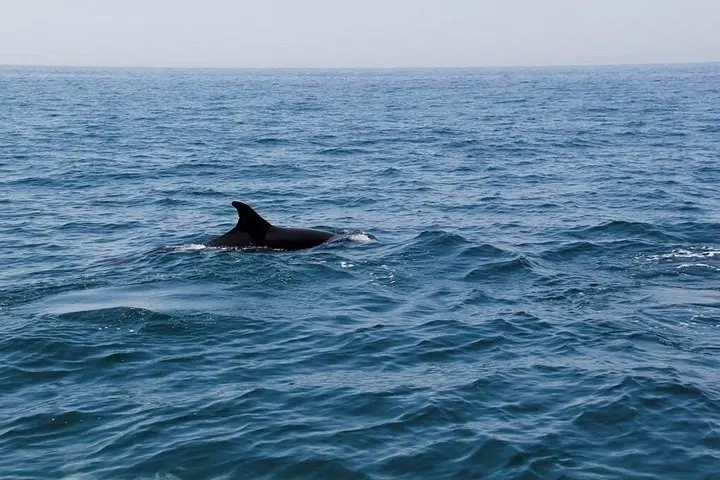
A low sun paints the limestone cliffs of the Algarve gold as an open-deck boat slips from Lagos marina. Salt spray cools your face and, a few minutes offshore, a dorsal fin arcs—common dolphins cutting the bow wave as if daring you to keep up. The crew eases the engine and binoculars sweep the horizon; the coast here feels alive and mobile, a living edge between town and open Atlantic.
A low sun paints the limestone cliffs of the Algarve gold as an open-deck boat slips from Lagos marina. Salt spray cools your face and, a few minutes offshore, a dorsal fin arcs—common dolphins cutting the bow wave as if daring you to keep up. The crew eases the engine and binoculars sweep the horizon; the coast here feels alive and mobile, a living edge between town and open Atlantic.
Lagos has a long maritime history, from fishing villages to Age of Discovery ports; the same cliffs that guided sailors centuries ago still shape local currents and upwellings that attract cetaceans today. Geologically, the region’s folded limestone and sea-carved caves—Ponta da Piedade nearby—create pockets of calmer water and rich feeding grounds. Culturally, boat captains and local guides have generations of knowledge about where dolphins tend to feed and where Risso’s or harbor porpoise sightings spike.
On this 90‑minute outing expect a coastal cruise within a few kilometers of shore, frequent stop-and-watch moments, and guided narration about species and behavior. Mornings are often smoother; bring motion‑sickness prevention if you are sensitive, layer up for wind, and keep voices low when animals appear—sudden noise can scatter pods. Binoculars and a small waterproof bag for phones are smart choices. Operators emphasize responsible viewing: observe at distance, never attempt to feed or touch wildlife, and follow crew instructions for both safety and minimal disturbance.
A short trip, it delivers high-intensity nature viewing: the rhythm of the sea, quick flashes of silver, and the practical satisfaction of spotting wildlife on their terms.