THE ADVENTURE COLLECTIVE® · Independent discovery and booking for outdoor travel

Paddle through Little Sarasota Bay to meet dolphins, manatees and ospreys on a guided 2‑hour wildlife tour from Osprey, Florida. This easy kayak or paddleboard trip mixes local history with close coastal encounters—perfect for first-time paddlers and wildlife lovers.
Paddle through Little Sarasota Bay to meet dolphins, manatees and ospreys on a guided 2‑hour wildlife tour from Osprey, Florida. This easy kayak or paddleboard trip mixes local history with close coastal encounters—perfect for first-time paddlers and wildlife lovers.
The salt-bright air opens as kayaks push off from the mangrove fringes of Little Sarasota Bay. Water slips past the hulls and the guide points—dolphin arcs the surface nearby, a steady exhale of presence; later a manatee noses up in a seagrass meadow, slow and curious. The mangrove tunnels carve dappled shade, and overhead osprey perch like weather-checkers against a wide Floridian sky.
Verified experiences and guided adventures in the surrounding area.
Operated by Three Brothers Boards Dolphin and Manatee Paddle Board Tours · Osprey, Florida
The salt-bright air opens as kayaks push off from the mangrove fringes of Little Sarasota Bay. Water slips past the hulls and the guide points—dolphin arcs the surface nearby, a steady exhale of presence; later a manatee noses up in a seagrass meadow, slow and curious. The mangrove tunnels carve dappled shade, and overhead osprey perch like weather-checkers against a wide Floridian sky.
This stretch of coast carries layers of human and natural history: Indigenous fishing grounds, 19th-century homesteads, then a 20th-century shift toward conservation that helped protect seagrass beds and the West Indian manatee. Geologically the bay is shallow and protected, built on broad limestone flats and lots of tidal exchange—conditions that concentrate marine life and make sightings common.
Culturally, the area blends small coastal communities, recreational anglers, and active conservation groups; local guides often weave natural history with notes about historic oyster beds and early shipping lanes.
Practical guidance: the tour is a relaxed paddle—roughly 2 hours with about 15 minutes of transit to prime sighting areas and ~90 minutes exploring. Wear quick-dry clothing, reef-safe sunscreen, and shoes that grip wet surfaces. Bring water in a reusable bottle and a small dry bag for your phone. Expect light chop depending on wind; operators provide life vests and basic instruction, so the trip is suitable for beginners.
Timing matters—early morning or late afternoon both increase wildlife activity and reduce midday heat. Listen to your guide, keep a respectful distance from wildlife, and enjoy a direct, low-impact way to meet Florida’s coastal species.
No—guides provide basic instruction and steer small groups; the paddle is paced for beginners.
Common sightings include bottlenose dolphins, West Indian manatees, osprey, pelicans and often sea turtles in seagrass beds.
Yes—operators supply Coast Guard‑approved life vests for all guests and require them to be worn while on the water.
Tours are typically canceled or rescheduled for heavy winds, lightning, or unsafe conditions; check the 24‑hour cancellation policy for refunds.
Three Brothers Boards Dolphin and Manatee Paddle Board Tours operates guided outdoor trips and adventures with an emphasis on safety, stewardship, and memorable experiences.
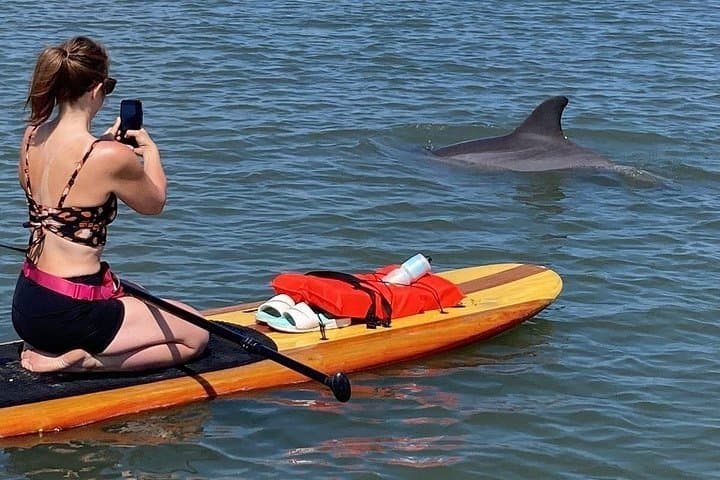
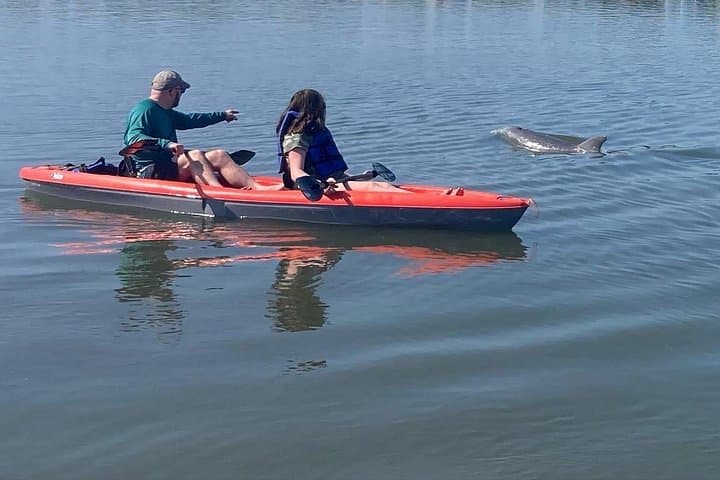
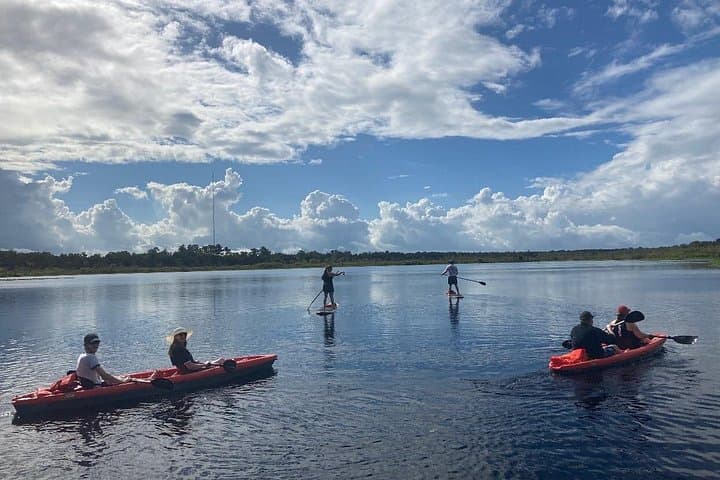
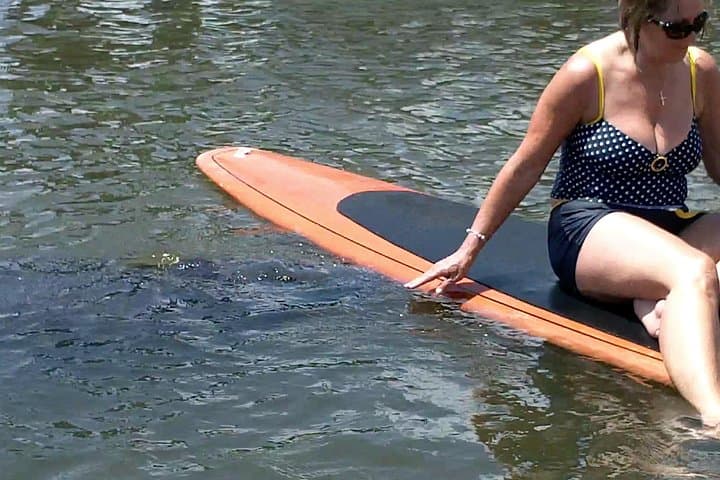
The salt-bright air opens as kayaks push off from the mangrove fringes of Little Sarasota Bay. Water slips past the hulls and the guide points—dolphin arcs the surface nearby, a steady exhale of presence; later a manatee noses up in a seagrass meadow, slow and curious. The mangrove tunnels carve dappled shade, and overhead osprey perch like weather-checkers against a wide Floridian sky.
The salt-bright air opens as kayaks push off from the mangrove fringes of Little Sarasota Bay. Water slips past the hulls and the guide points—dolphin arcs the surface nearby, a steady exhale of presence; later a manatee noses up in a seagrass meadow, slow and curious. The mangrove tunnels carve dappled shade, and overhead osprey perch like weather-checkers against a wide Floridian sky.
This stretch of coast carries layers of human and natural history: Indigenous fishing grounds, 19th-century homesteads, then a 20th-century shift toward conservation that helped protect seagrass beds and the West Indian manatee. Geologically the bay is shallow and protected, built on broad limestone flats and lots of tidal exchange—conditions that concentrate marine life and make sightings common.
Culturally, the area blends small coastal communities, recreational anglers, and active conservation groups; local guides often weave natural history with notes about historic oyster beds and early shipping lanes.
Practical guidance: the tour is a relaxed paddle—roughly 2 hours with about 15 minutes of transit to prime sighting areas and ~90 minutes exploring. Wear quick-dry clothing, reef-safe sunscreen, and shoes that grip wet surfaces. Bring water in a reusable bottle and a small dry bag for your phone. Expect light chop depending on wind; operators provide life vests and basic instruction, so the trip is suitable for beginners.
Timing matters—early morning or late afternoon both increase wildlife activity and reduce midday heat. Listen to your guide, keep a respectful distance from wildlife, and enjoy a direct, low-impact way to meet Florida’s coastal species.