THE ADVENTURE COLLECTIVE® · Independent discovery and booking for outdoor travel

A 2-hour, family-friendly boat trip from Olbia to the Figarolo islet with a >95% chance of seeing a resident pod of bottlenose dolphins. Expect calm, observational encounters, naturalist commentary, and practical advice for making sightings comfortable and sustainable.
A 2-hour, family-friendly boat trip from Olbia to the Figarolo islet with a >95% chance of seeing a resident pod of bottlenose dolphins. Expect calm, observational encounters, naturalist commentary, and practical advice for making sightings comfortable and sustainable.
Stand on the sun-warmed rail as the small boat slides out of Olbia’s harbor, the coastline opening to a glassy Mediterranean blue — Figarolo, a low rocky islet, appears ahead where a resident pod of bottlenose dolphins patrols the shallows.
Verified experiences and guided adventures in the surrounding area.
Operated by DST- Diving & Snorkelling Team Sardegna · Olbia, Sardinia
Stand on the sun-warmed rail as the small boat slides out of Olbia’s harbor, the coastline opening to a glassy Mediterranean blue — Figarolo, a low rocky islet, appears ahead where a resident pod of bottlenose dolphins patrols the shallows.
This short two-hour outing threads local maritime history with coastal geology: granite shelves and rocky promontories around Capo Figari, sheltered bays that collect Posidonia meadows, and a fishing culture in Golfo Aranci that has long shaped how humans use these waters. Onboard guides translate dolphin behavior into plain terms — travel patterns, social calls, and why this pod favors the area.
Expect calm, observational encounters rather than chases. The trip’s cadence is scanning, approach, and quiet observation: spotting blows, tracking dorsal fins, and pausing as the pod arcs and surfaces. Photographers get low-angle light and predictable surface activity; naturalists appreciate commentary on seabirds and marine habitat.
Practical guidance: arrive 15–30 minutes early for check-in and to secure a forward viewing spot; take motion-sickness prevention if you’re prone to nausea; wear a windproof layer and sun protection; bring binoculars for better identification. The tour is family-friendly and accessible to most, but not recommended for people with serious mobility or recent spinal issues. Operators prioritize minimal disturbance—follow crew instructions, avoid feeding or attempting contact, and enjoy a high-probability encounter with Sardinia’s resident dolphins.
Operators report sighting probabilities above 90–95% in this area; tours are designed to observe the resident bottlenose pod without harassing them.
Most departures leave from the Olbia harbor area; arrive 15–30 minutes before the scheduled time to check in and board.
Yes—family-friendly but infants must sit on an adult’s lap; people with serious mobility or recent spinal issues are not recommended to join.
Tours may be canceled for safety or rough seas; operators typically offer full refunds for cancellations made at least 24 hours prior or when weather forces a cancel.
DST- Diving & Snorkelling Team Sardegna operates guided outdoor trips and adventures with an emphasis on safety, stewardship, and memorable experiences.
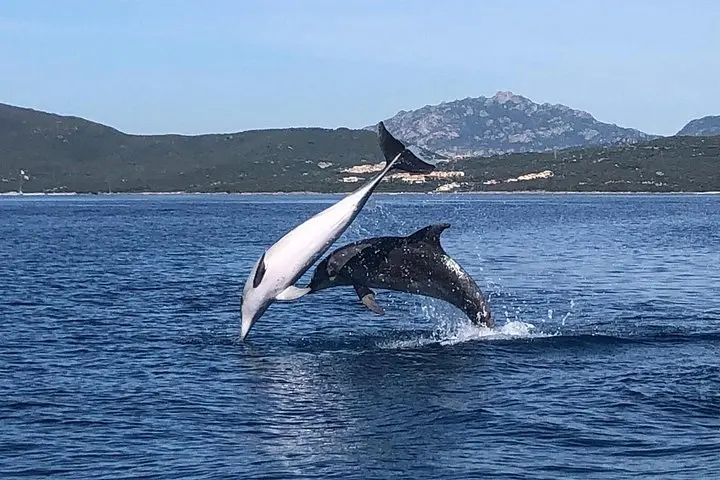
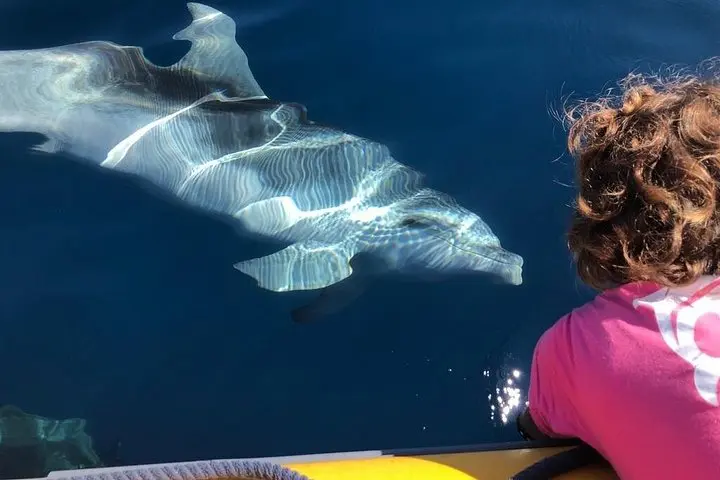
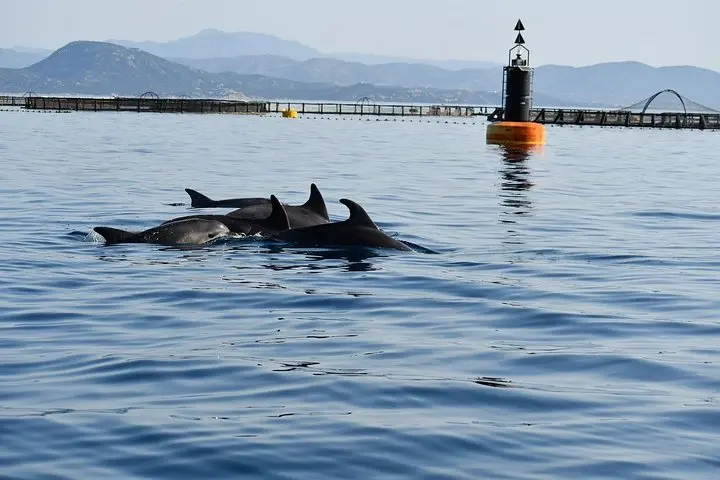
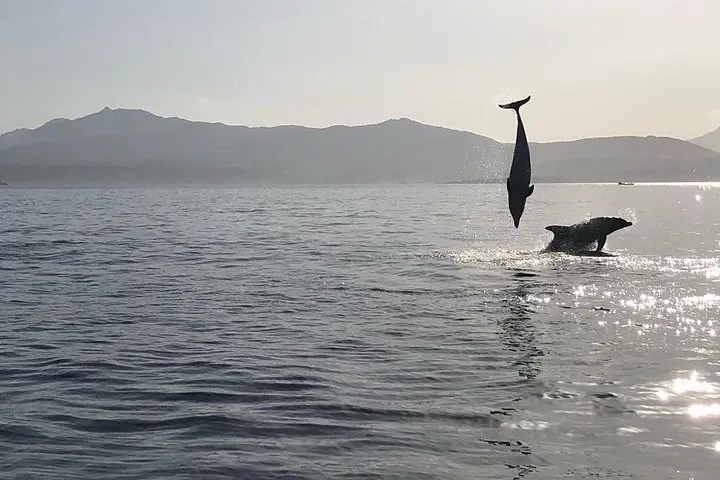
Stand on the sun-warmed rail as the small boat slides out of Olbia’s harbor, the coastline opening to a glassy Mediterranean blue — Figarolo, a low rocky islet, appears ahead where a resident pod of bottlenose dolphins patrols the shallows.
Stand on the sun-warmed rail as the small boat slides out of Olbia’s harbor, the coastline opening to a glassy Mediterranean blue — Figarolo, a low rocky islet, appears ahead where a resident pod of bottlenose dolphins patrols the shallows.
This short two-hour outing threads local maritime history with coastal geology: granite shelves and rocky promontories around Capo Figari, sheltered bays that collect Posidonia meadows, and a fishing culture in Golfo Aranci that has long shaped how humans use these waters. Onboard guides translate dolphin behavior into plain terms — travel patterns, social calls, and why this pod favors the area.
Expect calm, observational encounters rather than chases. The trip’s cadence is scanning, approach, and quiet observation: spotting blows, tracking dorsal fins, and pausing as the pod arcs and surfaces. Photographers get low-angle light and predictable surface activity; naturalists appreciate commentary on seabirds and marine habitat.
Practical guidance: arrive 15–30 minutes early for check-in and to secure a forward viewing spot; take motion-sickness prevention if you’re prone to nausea; wear a windproof layer and sun protection; bring binoculars for better identification. The tour is family-friendly and accessible to most, but not recommended for people with serious mobility or recent spinal issues. Operators prioritize minimal disturbance—follow crew instructions, avoid feeding or attempting contact, and enjoy a high-probability encounter with Sardinia’s resident dolphins.