THE ADVENTURE COLLECTIVE® · Independent discovery and booking for outdoor travel

Head out from Guayaquil for a full-day mangrove and ocean cruise to Puerto El Morro where bottlenose dolphins, blue-footed boobies and sea lions congregate. This accessible boat trip combines wildlife viewing with easy coastal navigation and local ecological insights.
Head out from Guayaquil for a full-day mangrove and ocean cruise to Puerto El Morro where bottlenose dolphins, blue-footed boobies and sea lions congregate. This accessible boat trip combines wildlife viewing with easy coastal navigation and local ecological insights.
The motor hums as the city’s heat slips behind you and the estuary opens—mangrove roots reach like fingers into glassy water and the horizon widens to ocean. On a full-day cruise from Guayaquil to Puerto El Morro, the rhythm of the boat and the slap of small wakes set the pace; dolphins often choose the same tempo, riding the bow or popping up in tight, joyous groups.
Verified experiences and guided adventures in the surrounding area.
Operated by BM TOURS SA · Guayaquil, Guayas
The motor hums as the city’s heat slips behind you and the estuary opens—mangrove roots reach like fingers into glassy water and the horizon widens to ocean. On a full-day cruise from Guayaquil to Puerto El Morro, the rhythm of the boat and the slap of small wakes set the pace; dolphins often choose the same tempo, riding the bow or popping up in tight, joyous groups.
Puerto El Morro sits on a network of mangrove channels that have shaped local livelihoods for generations. Geologically, these tidal flats are young—sediment carried by rivers and ocean currents builds the estuary each season—while culturally the parish is tied to artisanal fishing and birding traditions. Blue-footed boobies and brown pelicans are common on exposed mudflats; sea lions and albatrosses turn up depending on season and current.
Practical guidance: tours are full-day affairs (around seven hours including transfers) leaving Guayaquil by road and continuing by boat into the mangroves. Expect calm- to moderate-seas; bring sun protection and motion-sickness remedies if you’re sensitive. Guides typically keep respectful distance from wildlife—dolphins will often approach out of curiosity, but feeding or chasing is prohibited.
Timing matters—early light or late afternoon softens glare and concentrates feeding activity. Photography benefits from a mid-telephoto lens and steady footing on deck. This trip is low-technical but rich on sensory payoff: salt air, the occasional briny spray, and the quick, bright intelligence of dolphins that make the estuary feel alive and alert.
The experience runs about seven hours from Guayaquil including round-trip transport and a boat cruise through Puerto El Morro’s mangroves with a bilingual guide.
Dolphin sightings are frequent but not guaranteed—guides visit known feeding channels where bottlenose dolphins commonly appear.
The tour is family-friendly but requires boarding a small boat and some standing—not recommended for travelers with serious spinal, cardiovascular, or pregnancy-related restrictions.
Bring a mid-telephoto lens (70–200mm or similar), extra batteries, and a microfiber cloth to wipe spray from lenses.
BM TOURS SA operates guided outdoor trips and adventures with an emphasis on safety, stewardship, and memorable experiences.
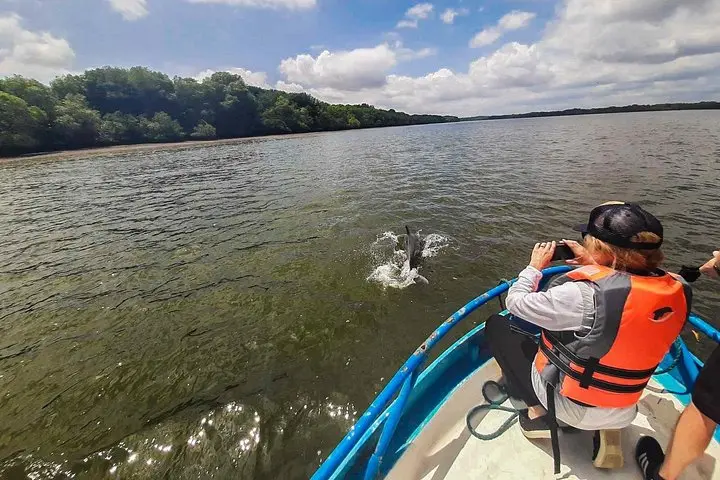
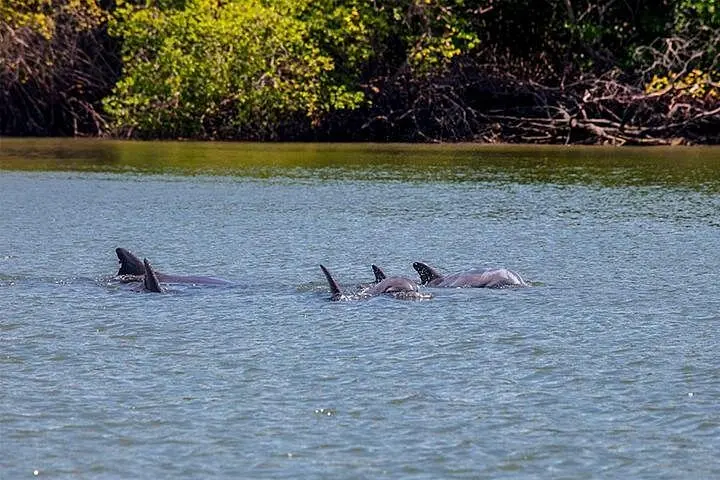
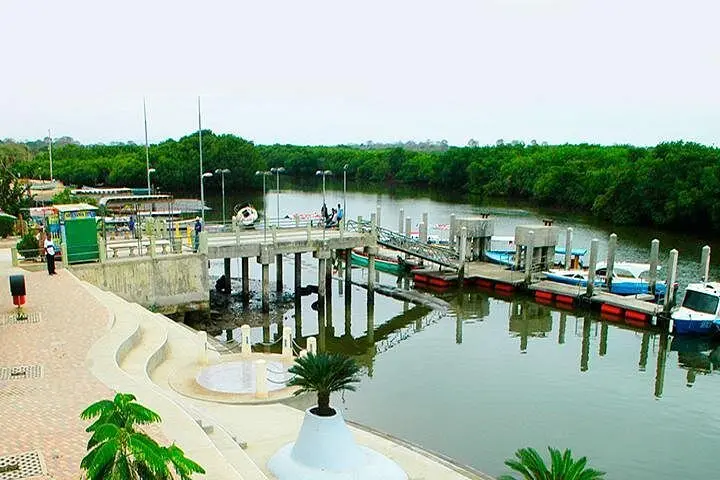
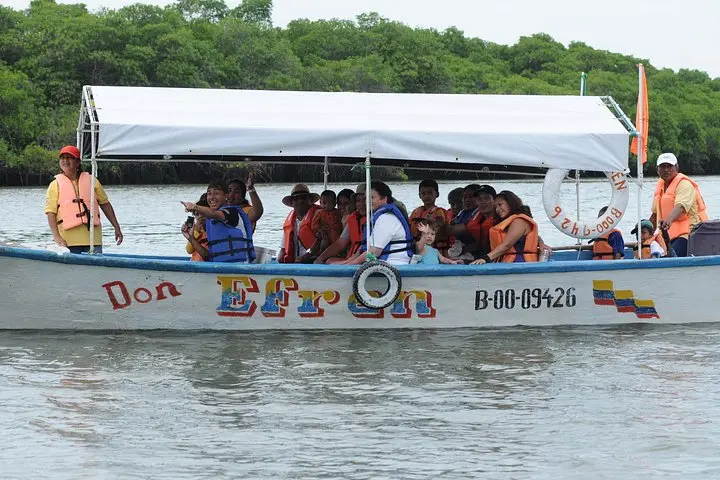
The motor hums as the city’s heat slips behind you and the estuary opens—mangrove roots reach like fingers into glassy water and the horizon widens to ocean. On a full-day cruise from Guayaquil to Puerto El Morro, the rhythm of the boat and the slap of small wakes set the pace; dolphins often choose the same tempo, riding the bow or popping up in tight, joyous groups.
The motor hums as the city’s heat slips behind you and the estuary opens—mangrove roots reach like fingers into glassy water and the horizon widens to ocean. On a full-day cruise from Guayaquil to Puerto El Morro, the rhythm of the boat and the slap of small wakes set the pace; dolphins often choose the same tempo, riding the bow or popping up in tight, joyous groups.
Puerto El Morro sits on a network of mangrove channels that have shaped local livelihoods for generations. Geologically, these tidal flats are young—sediment carried by rivers and ocean currents builds the estuary each season—while culturally the parish is tied to artisanal fishing and birding traditions. Blue-footed boobies and brown pelicans are common on exposed mudflats; sea lions and albatrosses turn up depending on season and current.
Practical guidance: tours are full-day affairs (around seven hours including transfers) leaving Guayaquil by road and continuing by boat into the mangroves. Expect calm- to moderate-seas; bring sun protection and motion-sickness remedies if you’re sensitive. Guides typically keep respectful distance from wildlife—dolphins will often approach out of curiosity, but feeding or chasing is prohibited.
Timing matters—early light or late afternoon softens glare and concentrates feeding activity. Photography benefits from a mid-telephoto lens and steady footing on deck. This trip is low-technical but rich on sensory payoff: salt air, the occasional briny spray, and the quick, bright intelligence of dolphins that make the estuary feel alive and alert.