THE ADVENTURE COLLECTIVE® · Independent discovery and booking for outdoor travel

Head out from Roseau for a three-hour, government-approved whale and dolphin cruise where sperm whales are present year-round. Small-group boats, expert local guides, and strict wildlife protocols make this a high-chance, low-impact marine encounter.
Head out from Roseau for a three-hour, government-approved whale and dolphin cruise where sperm whales are present year-round. Small-group boats, expert local guides, and strict wildlife protocols make this a high-chance, low-impact marine encounter.
The engine thrum drops to a hush as the boat eases off Roseau’s ferry pier and the island opens into a wide, Caribbean horizon. Salt air sharpens your senses; the guide scans with the same steady patience that the crew uses to approach a pod. Water gleams turquoise, and every surface seems keyed to listen for a blow or the slap of a fluke.
Verified experiences and guided adventures in the surrounding area.
Operated by PH Whale Watch Dive & Snorkel in Dominica · Roseau, Saint George Parish
The engine thrum drops to a hush as the boat eases off Roseau’s ferry pier and the island opens into a wide, Caribbean horizon. Salt air sharpens your senses; the guide scans with the same steady patience that the crew uses to approach a pod. Water gleams turquoise, and every surface seems keyed to listen for a blow or the slap of a fluke.
Dominica’s volcanic spine carves the island’s dramatic profiles, and its deep offshore canyons make this one of the few places where sperm whales stay year-round. Colonial-era shipping and local fishing shaped coastal communities here, while the Kalinago and later European settlers left a layered cultural landscape you glimpse from the water — small settlements, steep ridgelines, and rainforest that pushes almost to the shore.
On a three-hour cruise with a government-approved operator you’ll learn marine behavior, local regulations, and the science behind whale distribution. Guides follow strict approach distances and never lure animals; sightings often include spinner and spotted dolphins and, seasonally, humpbacks and pilot whales.
Practical guide: bring sun protection, a camera with a telephoto or a pair of binoculars, and motion-sickness remedies if you’re sensitive. Boats are small (max eight), which means a more intimate experience but also limited shade and room to move. Cruises depart daily from the Roseau ferry terminal — show up early, listen to your guide, and respect wildlife etiquette. For photographers and nature lovers alike, this is a focused, low-impact way to connect with some of the ocean’s largest residents.
All guests meet at the Roseau ferry terminal; cruise-ship passengers are picked up directly from port in Roseau.
No sightings are guaranteed, but Dominica has year-round sperm whales and operators have high encounter rates; dolphins are commonly seen even if whales are elusive.
No — local regulations and the operator prohibit swimming with whales to avoid disturbing the animals and to maintain safety.
Minimum age is generally 4 years; not recommended for pregnant travelers or those with serious back or heart conditions—consult the operator before booking.
PH Whale Watch Dive & Snorkel in Dominica operates guided outdoor trips and adventures with an emphasis on safety, stewardship, and memorable experiences.
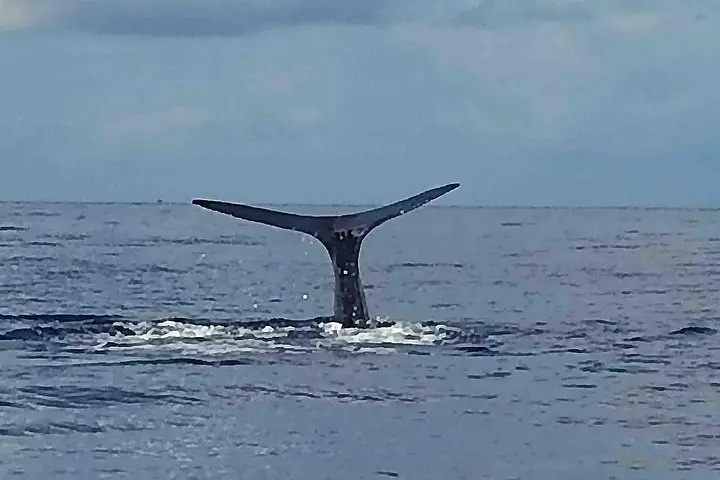
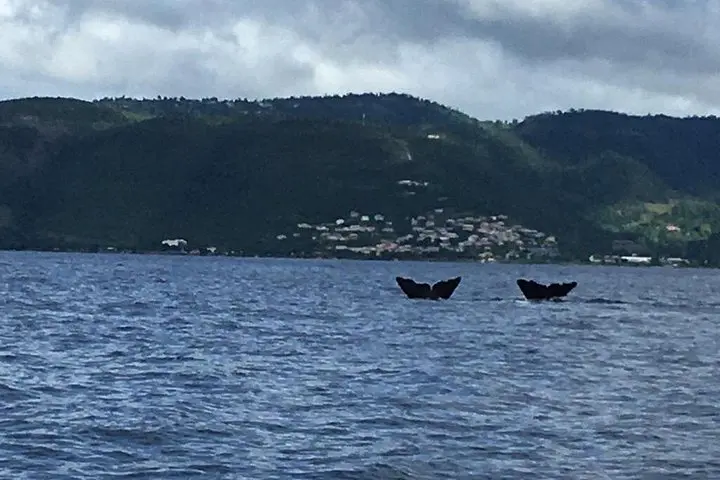
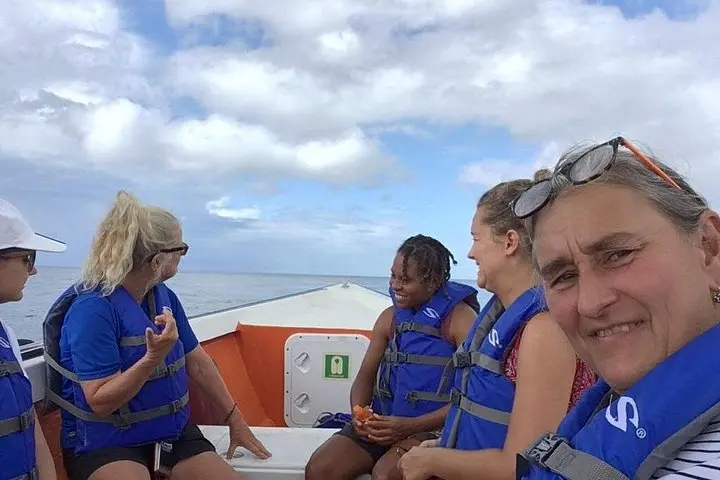
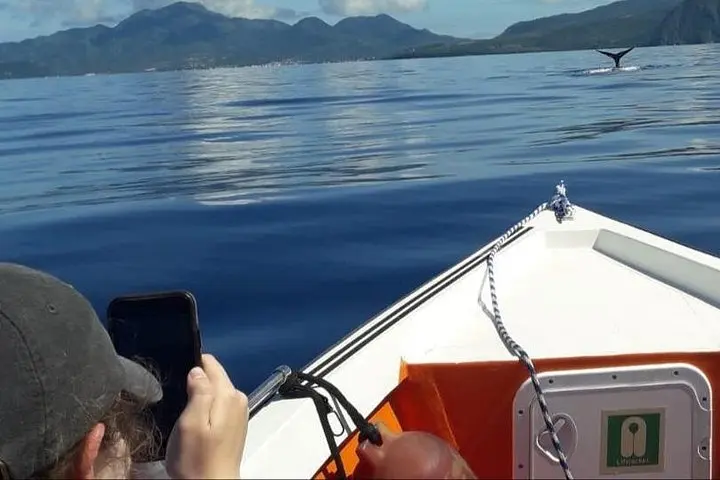
The engine thrum drops to a hush as the boat eases off Roseau’s ferry pier and the island opens into a wide, Caribbean horizon. Salt air sharpens your senses; the guide scans with the same steady patience that the crew uses to approach a pod. Water gleams turquoise, and every surface seems keyed to listen for a blow or the slap of a fluke.
The engine thrum drops to a hush as the boat eases off Roseau’s ferry pier and the island opens into a wide, Caribbean horizon. Salt air sharpens your senses; the guide scans with the same steady patience that the crew uses to approach a pod. Water gleams turquoise, and every surface seems keyed to listen for a blow or the slap of a fluke.
Dominica’s volcanic spine carves the island’s dramatic profiles, and its deep offshore canyons make this one of the few places where sperm whales stay year-round. Colonial-era shipping and local fishing shaped coastal communities here, while the Kalinago and later European settlers left a layered cultural landscape you glimpse from the water — small settlements, steep ridgelines, and rainforest that pushes almost to the shore.
On a three-hour cruise with a government-approved operator you’ll learn marine behavior, local regulations, and the science behind whale distribution. Guides follow strict approach distances and never lure animals; sightings often include spinner and spotted dolphins and, seasonally, humpbacks and pilot whales.
Practical guide: bring sun protection, a camera with a telephoto or a pair of binoculars, and motion-sickness remedies if you’re sensitive. Boats are small (max eight), which means a more intimate experience but also limited shade and room to move. Cruises depart daily from the Roseau ferry terminal — show up early, listen to your guide, and respect wildlife etiquette. For photographers and nature lovers alike, this is a focused, low-impact way to connect with some of the ocean’s largest residents.