THE ADVENTURE COLLECTIVE® · Independent discovery and booking for outdoor travel

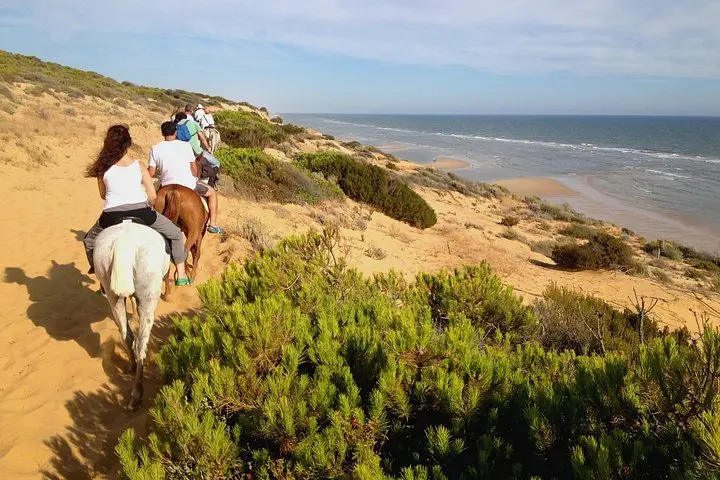
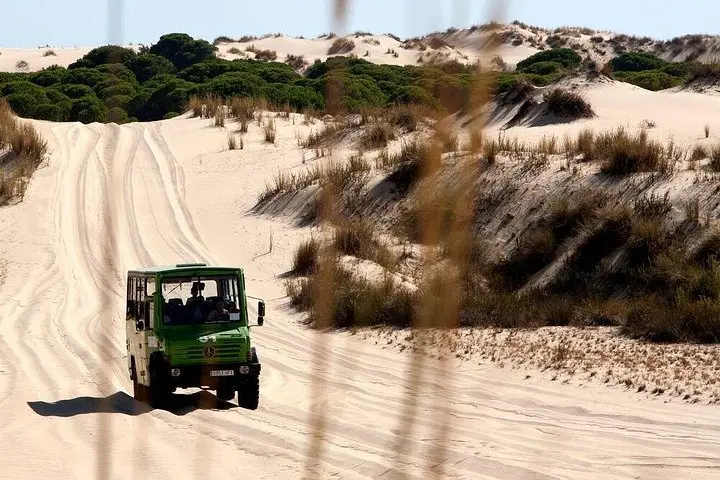
Ride Andalusian horses or roll through coastal dunes in a 4x4 on a full-day trip from Seville to Doñana National Park. Expect wetland panoramas, possible flamingo sightings, a stop in the pilgrimage village of El Rocío, and beach time at Matalascañas or Mazagón.
Ride Andalusian horses or roll through coastal dunes in a 4x4 on a full-day trip from Seville to Doñana National Park. Expect wetland panoramas, possible flamingo sightings, a stop in the pilgrimage village of El Rocío, and beach time at Matalascañas or Mazagón.
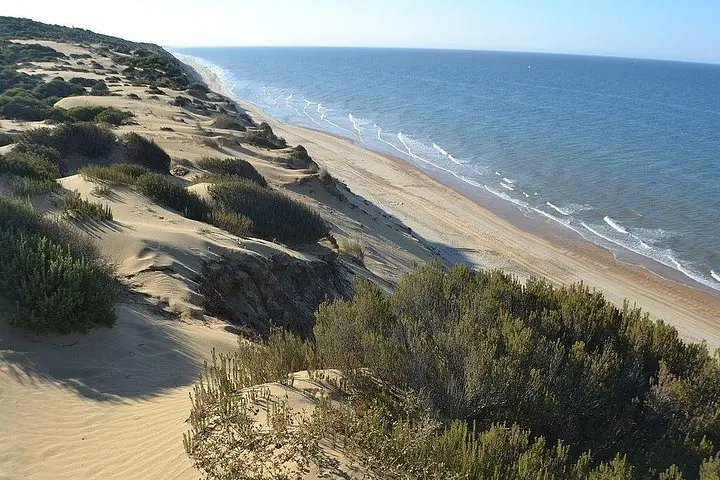
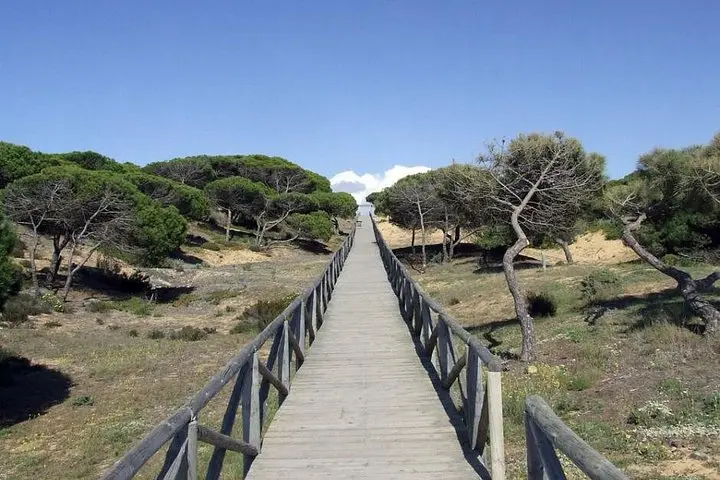
Morning light breaks across the marshes and the air smells faintly of salt and pine as you drive south from Seville toward Doñana. The landscape opens in layers: scrubby plateaus give way to undulating sand ridges, then the broad, still lagoons where flamingos quarter the shallows and reedbeds hum with life. Whether you pick the measured swing of an Andalusian horse or the steady rumble of a 4x4, the park moves around you — dunes daring you forward, tidal channels nudging the shoreline into new patterns.
Verified experiences and guided adventures in the surrounding area.
Operated by Not Just a Tourist · El Rocío, Huelva
Morning light breaks across the marshes and the air smells faintly of salt and pine as you drive south from Seville toward Doñana. The landscape opens in layers: scrubby plateaus give way to undulating sand ridges, then the broad, still lagoons where flamingos quarter the shallows and reedbeds hum with life. Whether you pick the measured swing of an Andalusian horse or the steady rumble of a 4x4, the park moves around you — dunes daring you forward, tidal channels nudging the shoreline into new patterns.
Doñana sits where the Guadalquivir meets the Atlantic, a landscape shaped by river sediments and coastal winds for millennia. Its villages carry the imprint of marshland livelihoods and the famous Romería de El Rocío, an annual pilgrimage that animates local culture with carts, robes, and devotion. Geologically, the park is recent — shifting sand dunes and reclaimed marshes — which makes its ecosystems unusually dynamic and fragile.
Practicalities are straightforward: expect a full day (about 10 hours including transfers), hotel pickup from Seville, and options to swim at Matalascañas or Mazagón. Guides brief you on behavior around nesting birds and on staying to designated tracks; sightings can range from flocks of flamingos to, occasionally, the elusive Iberian lynx at distance.
Bring sun protection, closed-toe shoes, and a sense of patience for light and wildlife. Plan for variable conditions — wind on the dunes, cooler mornings — and allow extra time to soak in El Rocío’s vernacular architecture and the slow rhythm of the delta.
Yes — operators typically accommodate beginners with calm Andalusian horses and a brief orientation, though longer trails require basic balance and comfort in the saddle.
Most tours include pickup and guiding; small purchases at beachside cafés or souvenirs in El Rocío may require cash or card — bring some euros just in case.
Yes — itineraries usually include scheduled stops at Matalascañas or Mazagón where you can swim, weather permitting; bring a towel and swimsuit.
Birdwatching is reliable — flamingos and waders are common — while sightings of mammals like the Iberian lynx are rare and typically distant; guides will maximize viewing chances.
Not Just a Tourist operates guided outdoor trips and adventures with an emphasis on safety, stewardship, and memorable experiences.
Morning light breaks across the marshes and the air smells faintly of salt and pine as you drive south from Seville toward Doñana. The landscape opens in layers: scrubby plateaus give way to undulating sand ridges, then the broad, still lagoons where flamingos quarter the shallows and reedbeds hum with life. Whether you pick the measured swing of an Andalusian horse or the steady rumble of a 4x4, the park moves around you — dunes daring you forward, tidal channels nudging the shoreline into new patterns.
Morning light breaks across the marshes and the air smells faintly of salt and pine as you drive south from Seville toward Doñana. The landscape opens in layers: scrubby plateaus give way to undulating sand ridges, then the broad, still lagoons where flamingos quarter the shallows and reedbeds hum with life. Whether you pick the measured swing of an Andalusian horse or the steady rumble of a 4x4, the park moves around you — dunes daring you forward, tidal channels nudging the shoreline into new patterns.
Doñana sits where the Guadalquivir meets the Atlantic, a landscape shaped by river sediments and coastal winds for millennia. Its villages carry the imprint of marshland livelihoods and the famous Romería de El Rocío, an annual pilgrimage that animates local culture with carts, robes, and devotion. Geologically, the park is recent — shifting sand dunes and reclaimed marshes — which makes its ecosystems unusually dynamic and fragile.
Practicalities are straightforward: expect a full day (about 10 hours including transfers), hotel pickup from Seville, and options to swim at Matalascañas or Mazagón. Guides brief you on behavior around nesting birds and on staying to designated tracks; sightings can range from flocks of flamingos to, occasionally, the elusive Iberian lynx at distance.
Bring sun protection, closed-toe shoes, and a sense of patience for light and wildlife. Plan for variable conditions — wind on the dunes, cooler mornings — and allow extra time to soak in El Rocío’s vernacular architecture and the slow rhythm of the delta.