THE ADVENTURE COLLECTIVE® · Independent discovery and booking for outdoor travel

A four-day loop from Ha Giang through the Dong Van Karst Plateau visiting Ma Pi Leng, Tu San gorge and traditional H’Mong villages. Expect dramatic passes, a deep canyon boat ride, and culturally rich small towns.
A four-day loop from Ha Giang through the Dong Van Karst Plateau visiting Ma Pi Leng, Tu San gorge and traditional H’Mong villages. Expect dramatic passes, a deep canyon boat ride, and culturally rich small towns.
Morning light pours across a road cut into limestone — switchbacks unfold like a braided ribbon and a cold wind seems to push you toward the next ridge. On this four-day circuit from Ha Giang city, the landscape does most of the talking: jagged karst towers, serrated passes and valleys where rivers have dared to carve deep canyons.
Verified experiences and guided adventures in the surrounding area.
Operated by Iztrip · Dong Van, Ha Giang Province
Morning light pours across a road cut into limestone — switchbacks unfold like a braided ribbon and a cold wind seems to push you toward the next ridge. On this four-day circuit from Ha Giang city, the landscape does most of the talking: jagged karst towers, serrated passes and valleys where rivers have dared to carve deep canyons.
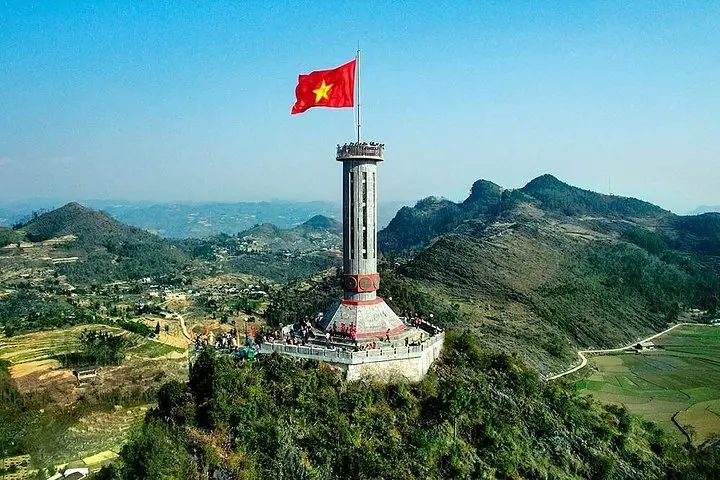
The Dong Van Karst Plateau Geopark is geological history written in stone. These plateaus, uplifted and eroded over millions of years, create cliffs and passes such as Ma Pi Leng (21 km of dramatic road) and Tham Ma Slope, which reveal both the region’s tectonic past and its modern strategic role as a borderland. Cultural threads—H’mong and other minority communities—are visible in wooden stilt houses, local markets and the H’mong King’s Palace in Sa Phin.
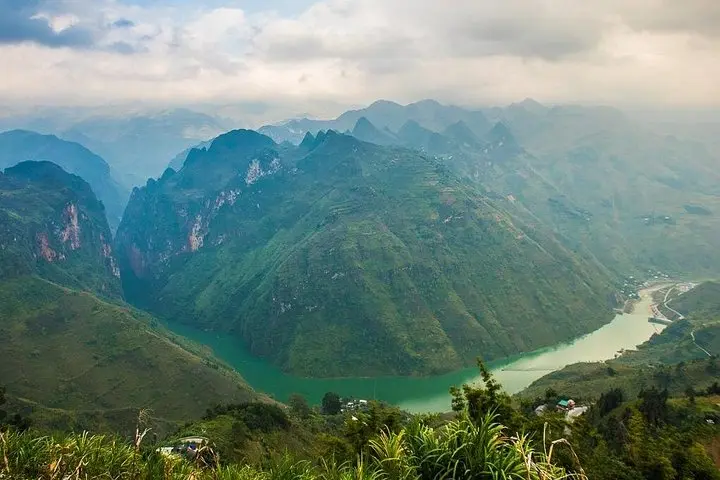
Expect long coach transfers between viewpoints, short village treks, a boat trip through the Tu San canyon (gorge walls rise to roughly 1,500 m) and evenings in simple hotels with regional meals. Terrain alternates sealed passes, gravel shoulders and worn village paths; altitude ranges around 1,200–1,600 m so temperatures swing day-to-night.
Practical edge: carry layered insulation, a reliable waterproof shell and sturdy walking shoes for uneven village trails. Hydrate on longer road segments and plan for early starts—light and mist deliver the best views. Borderland permits and local guides are part of the itinerary; travel with patience and respect for local customs, and you’ll leave having seen one of Vietnam’s rawest highland landscapes.
Yes—this itinerary includes the borderland permission fee (about $10 USD) for foreigners; the operator handles the paperwork included in the tour price.
The river boat segment is scenic and low-technical; expect a calm guided ride through a deep canyon rather than whitewater—standard safety briefings and life jackets are provided.
Altitudes are moderate (approx. 1,200–1,600 m); most travelers do fine, but if you have cardiovascular issues consult a doctor beforehand as the itinerary notes it’s not recommended for those with poor heart health.
Yes—operators state they can handle vegetarian, vegan and gluten-free requests if informed at booking.
Iztrip operates guided outdoor trips and adventures with an emphasis on safety, stewardship, and memorable experiences.
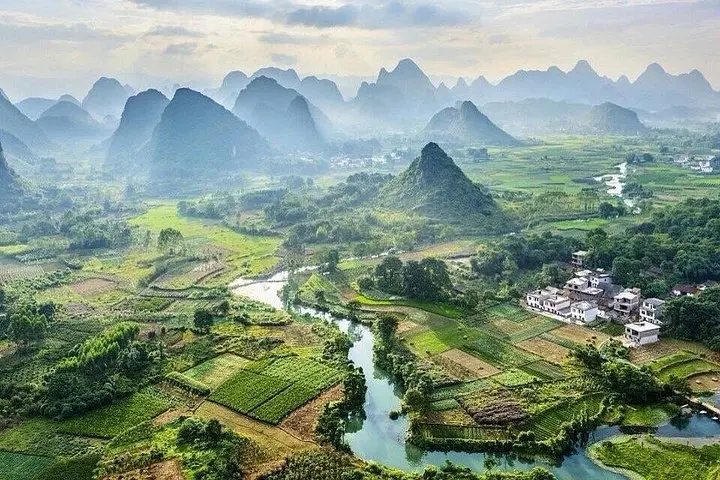
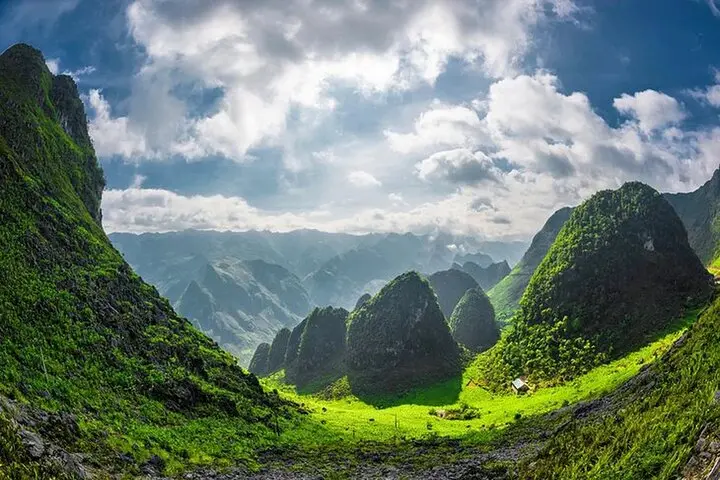
Morning light pours across a road cut into limestone — switchbacks unfold like a braided ribbon and a cold wind seems to push you toward the next ridge. On this four-day circuit from Ha Giang city, the landscape does most of the talking: jagged karst towers, serrated passes and valleys where rivers have dared to carve deep canyons.
Morning light pours across a road cut into limestone — switchbacks unfold like a braided ribbon and a cold wind seems to push you toward the next ridge. On this four-day circuit from Ha Giang city, the landscape does most of the talking: jagged karst towers, serrated passes and valleys where rivers have dared to carve deep canyons.
The Dong Van Karst Plateau Geopark is geological history written in stone. These plateaus, uplifted and eroded over millions of years, create cliffs and passes such as Ma Pi Leng (21 km of dramatic road) and Tham Ma Slope, which reveal both the region’s tectonic past and its modern strategic role as a borderland. Cultural threads—H’mong and other minority communities—are visible in wooden stilt houses, local markets and the H’mong King’s Palace in Sa Phin.
Expect long coach transfers between viewpoints, short village treks, a boat trip through the Tu San canyon (gorge walls rise to roughly 1,500 m) and evenings in simple hotels with regional meals. Terrain alternates sealed passes, gravel shoulders and worn village paths; altitude ranges around 1,200–1,600 m so temperatures swing day-to-night.
Practical edge: carry layered insulation, a reliable waterproof shell and sturdy walking shoes for uneven village trails. Hydrate on longer road segments and plan for early starts—light and mist deliver the best views. Borderland permits and local guides are part of the itinerary; travel with patience and respect for local customs, and you’ll leave having seen one of Vietnam’s rawest highland landscapes.