THE ADVENTURE COLLECTIVE® · Independent discovery and booking for outdoor travel

Drive the dramatic Ha Giang loop in two days: cliff-top switchbacks, Ma Pi Leng’s canyon views, and an overnight in Dong Van inside the UNESCO karst plateau. Practical, scenic and culturally rich—this tour compresses Ha Giang’s highlights into a compact overland experience.
Drive the dramatic Ha Giang loop in two days: cliff-top switchbacks, Ma Pi Leng’s canyon views, and an overnight in Dong Van inside the UNESCO karst plateau. Practical, scenic and culturally rich—this tour compresses Ha Giang’s highlights into a compact overland experience.
You crest a ridge and the road unravels—hairpin after hairpin, cliffs leaning down toward a river that dares you to look. On this two-day car tour from Ha Giang, the mountains take the lead and the engine simply keeps pace.
Verified experiences and guided adventures in the surrounding area.
Operated by Authentic HA GIANG · Dong Van, Ha Giang Province
You crest a ridge and the road unravels—hairpin after hairpin, cliffs leaning down toward a river that dares you to look. On this two-day car tour from Ha Giang, the mountains take the lead and the engine simply keeps pace.
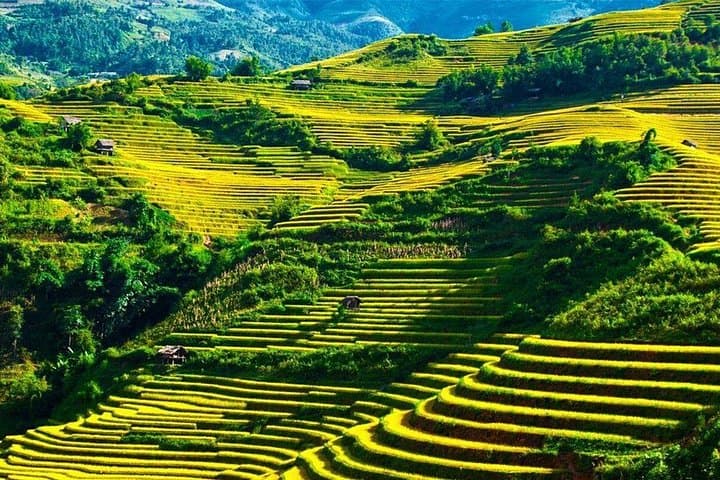
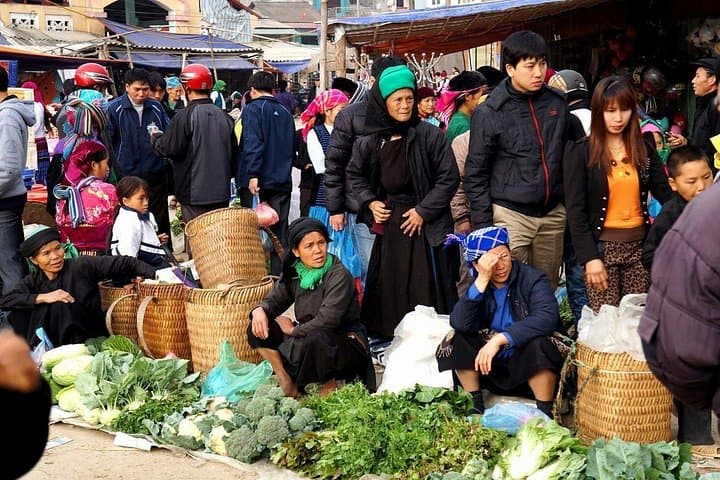
The route threads through Quan Ba’s Heaven Gate and the Twin Hills, then climbs onto the Dong Van Karst Plateau, a UNESCO geopark shaped by 400 million years of limestone uplift. Villages of H’Mong and Dao people sit on slopes where terraces and traded goods mark a living cultural landscape; Vuong King’s mansion in Dong Van shows the fusion of H’Mong status, Chinese influence and French-era materials.
Geologically, expect steep karst ridges, exposed limestone pavements and a dramatic drop at Ma Pi Leng Pass where the Nho Que River cuts a canyon more than a few hundred meters deep. The drive covers roughly 200–250 km of mountain roads with sustained elevation between 900–1,500 m; surfaces are generally paved but narrow with frequent switchbacks.
Practical guidance: plan for two full days—about 10–12 hours of travel and stops each day including brief hikes and a short boat ride on Nho Que. Pack layers for temperature swings (it can be 10–15°C cooler on the plateau), sturdy shoes for uneven village paths, cash for markets, and motion-sickness remedies for winding sections. Be prepared for short walks up to 30 minutes at viewpoints and respect local customs when visiting houses and markets.
This itinerary suits travelers who want big landscapes without committing to a motorbike loop—expect vivid light, raw geology and close encounters with mountain cultures.
Expect roughly 6–8 hours of driving each day including stops for viewpoints and meals; total distance is around 200–250 km for the two-day loop.
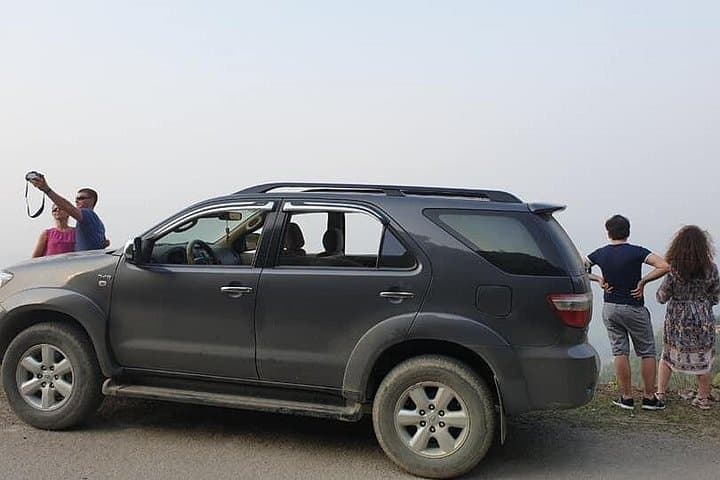
Yes—this listing offers a car/bus option with an experienced driver; a motorbike option may be available if chosen at booking.
The tour includes breakfast, two lunches and dinners as listed, plus one night’s twin-share accommodation in Dong Van; check the booking page for exact meal details and upgrades.
Roads are narrow with steep drops; drivers are experienced but travelers should follow guides’ instructions and avoid standing near cliff edges at viewpoints.
Authentic HA GIANG operates guided outdoor trips and adventures with an emphasis on safety, stewardship, and memorable experiences.
You crest a ridge and the road unravels—hairpin after hairpin, cliffs leaning down toward a river that dares you to look. On this two-day car tour from Ha Giang, the mountains take the lead and the engine simply keeps pace.
You crest a ridge and the road unravels—hairpin after hairpin, cliffs leaning down toward a river that dares you to look. On this two-day car tour from Ha Giang, the mountains take the lead and the engine simply keeps pace.
The route threads through Quan Ba’s Heaven Gate and the Twin Hills, then climbs onto the Dong Van Karst Plateau, a UNESCO geopark shaped by 400 million years of limestone uplift. Villages of H’Mong and Dao people sit on slopes where terraces and traded goods mark a living cultural landscape; Vuong King’s mansion in Dong Van shows the fusion of H’Mong status, Chinese influence and French-era materials.
Geologically, expect steep karst ridges, exposed limestone pavements and a dramatic drop at Ma Pi Leng Pass where the Nho Que River cuts a canyon more than a few hundred meters deep. The drive covers roughly 200–250 km of mountain roads with sustained elevation between 900–1,500 m; surfaces are generally paved but narrow with frequent switchbacks.
Practical guidance: plan for two full days—about 10–12 hours of travel and stops each day including brief hikes and a short boat ride on Nho Que. Pack layers for temperature swings (it can be 10–15°C cooler on the plateau), sturdy shoes for uneven village paths, cash for markets, and motion-sickness remedies for winding sections. Be prepared for short walks up to 30 minutes at viewpoints and respect local customs when visiting houses and markets.
This itinerary suits travelers who want big landscapes without committing to a motorbike loop—expect vivid light, raw geology and close encounters with mountain cultures.