THE ADVENTURE COLLECTIVE® · Independent discovery and booking for outdoor travel

Walk quiet plazas and century-old homes while a guide links Costa Rica’s 1948 civil conflict to the rise of coffee culture in Dota. This 2–3 hour tour pairs close-up history with mountain-village life and a included brunch.
Walk quiet plazas and century-old homes while a guide links Costa Rica’s 1948 civil conflict to the rise of coffee culture in Dota. This 2–3 hour tour pairs close-up history with mountain-village life and a included brunch.
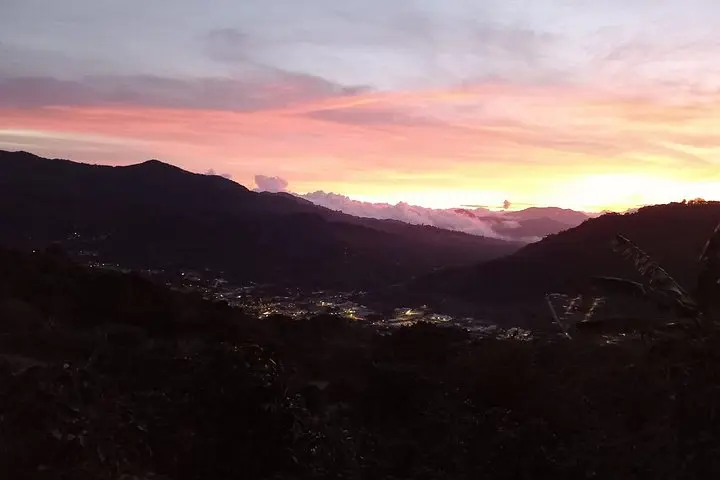
Morning light slips through cloud-sheared ridges as the bus winds into Dota, and the air takes on the clean, dark sweetness of coffee on drying patios. On this two-to-three-hour walk, travelers move from small plazas and century-old façades to monuments that mark Costa Rica’s 1948 civil conflict, tracing how political history and coffee culture shaped settlements among steep, forested slopes.
Verified experiences and guided adventures in the surrounding area.
Operated by Dota es Dota · Santa María de Dota, San José
Morning light slips through cloud-sheared ridges as the bus winds into Dota, and the air takes on the clean, dark sweetness of coffee on drying patios. On this two-to-three-hour walk, travelers move from small plazas and century-old façades to monuments that mark Costa Rica’s 1948 civil conflict, tracing how political history and coffee culture shaped settlements among steep, forested slopes.
Geology here is simple but decisive: volcanic soils and steep gradients create the microclimates that made Los Santos — including Dota — one of the world’s famed coffee regions. The canton’s recent claim as the first carbon‑neutral canton sits alongside a living rural culture: wooden balconies, corrugated roofs, and community parks dedicated to local figures from mid‑20th‑century history.
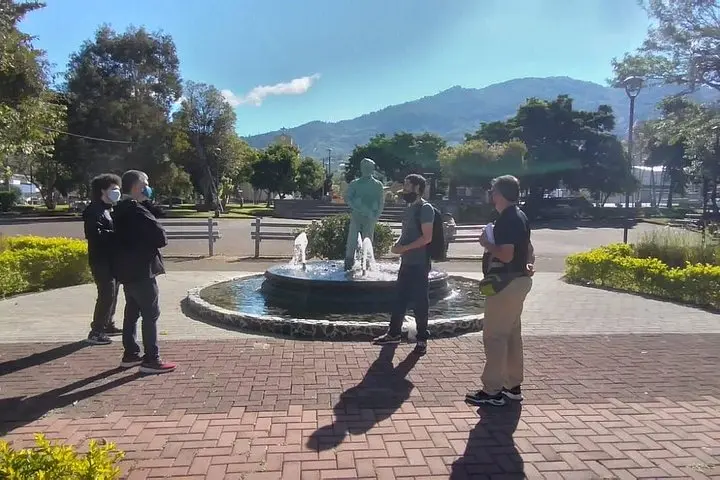
Expect a mix of paved streets and compacted dirt, short blocks of stairs, and several preserved houses of more than 90 years. Guides stop at civic monuments tied to the 1948 civil war, a park honoring a local guerrilla leader, and an old headquarters building, offering context about national history and local coffee-processing traditions.
Practical guidance: bring a waterproof layer (mountain weather changes fast), sturdy walking shoes for uneven surfaces, and a camera for architectural details. The tour includes a light brunch—useful fuel for the hills—and is wheelchair and stroller accessible on most routes, though some older buildings have steps. Morning departures give the best light and cooler temperatures; afternoons can bring showers. Whether visitors come for history, birds, or a taste of Costa Rican coffee country, this short outing pairs cultural insight with the easy rhythm of mountain village life.
The excursion runs about 2–3 hours, including multiple short stops at monuments and historic houses.
Most route sections are wheelchair and stroller accessible, though some older buildings have steps and limited interior access.
Yes—brunch is included as part of the tour, typically featuring local coffee and light regional fare.
Guides on this itinerary commonly operate in Spanish; English-language options may be available—check at booking.
Dota es Dota operates guided outdoor trips and adventures with an emphasis on safety, stewardship, and memorable experiences.
Morning light slips through cloud-sheared ridges as the bus winds into Dota, and the air takes on the clean, dark sweetness of coffee on drying patios. On this two-to-three-hour walk, travelers move from small plazas and century-old façades to monuments that mark Costa Rica’s 1948 civil conflict, tracing how political history and coffee culture shaped settlements among steep, forested slopes.
Morning light slips through cloud-sheared ridges as the bus winds into Dota, and the air takes on the clean, dark sweetness of coffee on drying patios. On this two-to-three-hour walk, travelers move from small plazas and century-old façades to monuments that mark Costa Rica’s 1948 civil conflict, tracing how political history and coffee culture shaped settlements among steep, forested slopes.
Geology here is simple but decisive: volcanic soils and steep gradients create the microclimates that made Los Santos — including Dota — one of the world’s famed coffee regions. The canton’s recent claim as the first carbon‑neutral canton sits alongside a living rural culture: wooden balconies, corrugated roofs, and community parks dedicated to local figures from mid‑20th‑century history.
Expect a mix of paved streets and compacted dirt, short blocks of stairs, and several preserved houses of more than 90 years. Guides stop at civic monuments tied to the 1948 civil war, a park honoring a local guerrilla leader, and an old headquarters building, offering context about national history and local coffee-processing traditions.
Practical guidance: bring a waterproof layer (mountain weather changes fast), sturdy walking shoes for uneven surfaces, and a camera for architectural details. The tour includes a light brunch—useful fuel for the hills—and is wheelchair and stroller accessible on most routes, though some older buildings have steps. Morning departures give the best light and cooler temperatures; afternoons can bring showers. Whether visitors come for history, birds, or a taste of Costa Rican coffee country, this short outing pairs cultural insight with the easy rhythm of mountain village life.