
Dougga & Bulla Regia Private Day Tour from Tunis — Roman Ruins and Subterranean Villas
Explore two of Tunisia’s best-preserved Roman sites in one day: Dougga’s hilltop theatre and Bulla Regia’s subterranean villas. This private tour pairs dramatic ruins with local insights and practical guidance for a full day out of Tunis.
An Adventure In Tunis.
Explore two of Tunisia’s best-preserved Roman sites in one day: Dougga’s hilltop theatre and Bulla Regia’s subterranean villas. This private tour pairs dramatic ruins with local insights and practical guidance for a full day out of Tunis.
Read the full experience
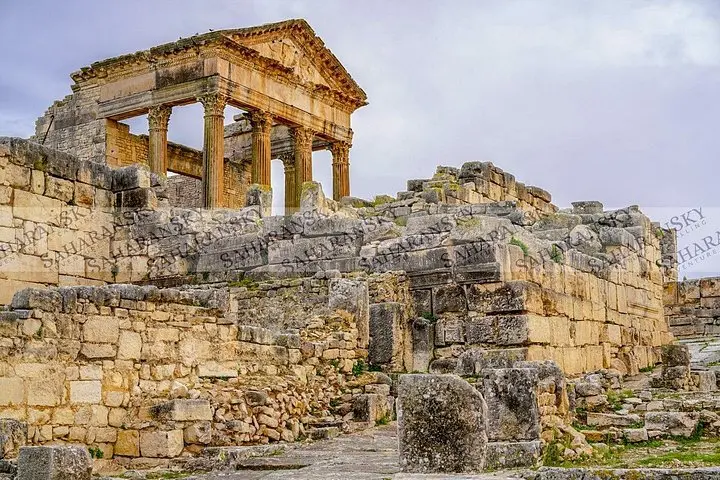
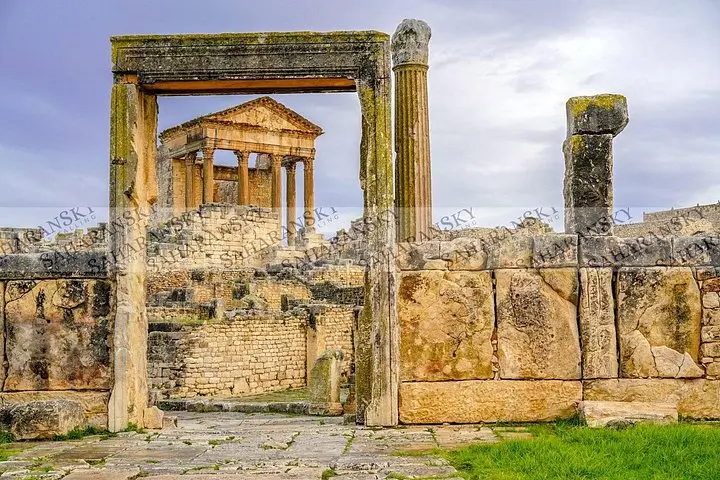
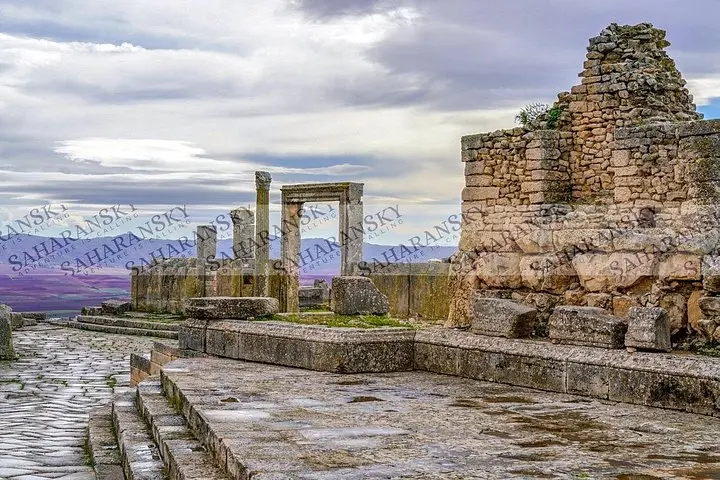
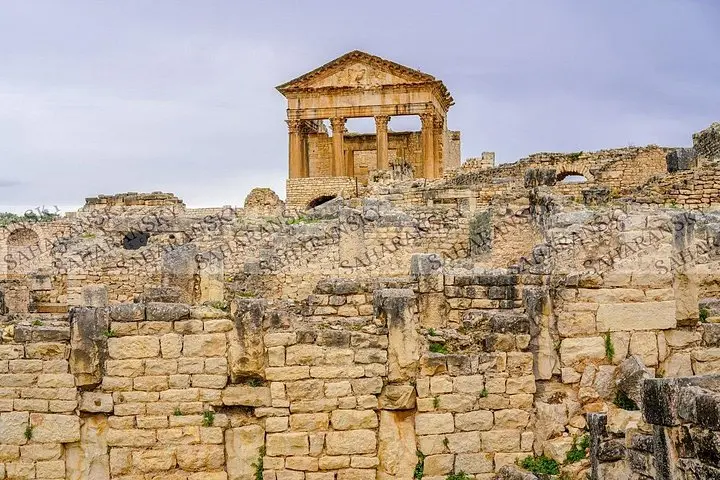
Morning light strips the valley bare as the minivan climbs toward Dougga’s plateau; columns catch the sun and cast long, archaeological shadows across stone-paved streets. The site opens like a ruined city reassembled for a single visitor: a theatre carved to catch sound, a capitol framed by rolling agricultural hills, and peristyles that still return a measured echo.
Morning light strips the valley bare as the minivan climbs toward Dougga’s plateau; columns catch the sun and cast long, archaeological shadows across stone-paved streets. The site opens like a ruined city reassembled for a single visitor: a theatre carved to catch sound, a capitol framed by rolling agricultural hills, and peristyles that still return a measured echo.
Dougga (Thugga) sits above the Medjerda plain and was first fortified by Numidian rulers before becoming one of Tunisia’s most complete Roman towns. The site’s limestone and locally quarried marble reflect a landscape shaped by Miocene uplift and later erosion, creating the natural defensive high ground Romans chose. A short drive west, Bulla Regia offers a contrast: multi-level, semi-subterranean homes engineered to moderate summer heat and winter chill. Walking its cool underground atria gives tangible evidence of Roman ingenuity adapting to North African climates.
Cultural traces are layered — Punic foundations under Roman façades and Andalusian-influenced architecture in Testour on the return route. Expect uneven stone, stepped streets, and exposed mosaics that demand careful footing.
Practical guidance: plan for an 8‑hour private day with pickups in Tunis or Hammamet, wear sturdy shoes, sun protection, and carry 1–2 liters of water. Guides and entrance fees can be arranged; photography is allowed but leave large tripods at the hotel. Start early to avoid midday heat and to see mosaics at Bulla Regia when the light pools in the subterranean rooms. This is a cultural walk with short hikes between viewpoints — high on history, low on technical challenge.
Frequently asked questions
The private tour runs about 8 hours including transfers from Tunis or Hammamet, site visits, and a lunch break if selected.
Entrance fees can be included if the option is selected at booking; confirm with the operator when you reserve.
Yes — sites require walking on uneven ground but are not technically demanding; the tour is described as suitable for all fitness levels.
Yes — pickup and drop-off from Tunis or Hammamet hotels are typically included; confirm your pickup point during booking.
About This Experience
SAHARANSKY operates guided outdoor trips and adventures with an emphasis on safety, stewardship, and memorable experiences.
Adventure tips
Recommended gear
- Sturdy walking shoes: Protects against uneven stone streets and short stair climbs.
- Reusable water bottle (1–2L): Staying hydrated is important while touring exposed archaeological sites.
- Sun hat and sunscreen: Provides protection during midday sun, especially on the open plateau at Dougga.
- Light breathable layers: Mornings can be cool while underground rooms at Bulla Regia feel cooler; layers add comfort.
Photos of the experience
Related adventures & guides
Read the full experience
Morning light strips the valley bare as the minivan climbs toward Dougga’s plateau; columns catch the sun and cast long, archaeological shadows across stone-paved streets. The site opens like a ruined city reassembled for a single visitor: a theatre carved to catch sound, a capitol framed by rolling agricultural hills, and peristyles that still return a measured echo.
Morning light strips the valley bare as the minivan climbs toward Dougga’s plateau; columns catch the sun and cast long, archaeological shadows across stone-paved streets. The site opens like a ruined city reassembled for a single visitor: a theatre carved to catch sound, a capitol framed by rolling agricultural hills, and peristyles that still return a measured echo.
Dougga (Thugga) sits above the Medjerda plain and was first fortified by Numidian rulers before becoming one of Tunisia’s most complete Roman towns. The site’s limestone and locally quarried marble reflect a landscape shaped by Miocene uplift and later erosion, creating the natural defensive high ground Romans chose. A short drive west, Bulla Regia offers a contrast: multi-level, semi-subterranean homes engineered to moderate summer heat and winter chill. Walking its cool underground atria gives tangible evidence of Roman ingenuity adapting to North African climates.
Cultural traces are layered — Punic foundations under Roman façades and Andalusian-influenced architecture in Testour on the return route. Expect uneven stone, stepped streets, and exposed mosaics that demand careful footing.
Practical guidance: plan for an 8‑hour private day with pickups in Tunis or Hammamet, wear sturdy shoes, sun protection, and carry 1–2 liters of water. Guides and entrance fees can be arranged; photography is allowed but leave large tripods at the hotel. Start early to avoid midday heat and to see mosaics at Bulla Regia when the light pools in the subterranean rooms. This is a cultural walk with short hikes between viewpoints — high on history, low on technical challenge.
Make a day of it nearby.
Verified experiences and guided adventures in the surrounding area.