THE ADVENTURE COLLECTIVE® · Independent discovery and booking for outdoor travel

Spend a long day tracing the Douro Valley’s terraced vineyards from Porto: two winery visits, a regional lunch and a one-hour boat ride on the Douro River. This practical day tour blends tasting, history and sweeping river views for an accessible yet immersive experience.
Spend a long day tracing the Douro Valley’s terraced vineyards from Porto: two winery visits, a regional lunch and a one-hour boat ride on the Douro River. This practical day tour blends tasting, history and sweeping river views for an accessible yet immersive experience.
The bus peels away from Porto’s granite facades and the city gives way to folded hills carved into terraces of grapevines. The Douro River threads through steep slopes, its surface catching light as small rabelo boats once did when they ferried barrels of wine downstream. On this full-day circuit visitors move from cobbled village lanes to family-owned quintas, taste wines beneath arched cellars and slide onto a one-hour boat on the river where the valley’s scale finally registers.
Verified experiences and guided adventures in the surrounding area.
Operated by Go Travel Everywhere · Pinhão, Norte
The bus peels away from Porto’s granite facades and the city gives way to folded hills carved into terraces of grapevines. The Douro River threads through steep slopes, its surface catching light as small rabelo boats once did when they ferried barrels of wine downstream. On this full-day circuit visitors move from cobbled village lanes to family-owned quintas, taste wines beneath arched cellars and slide onto a one-hour boat on the river where the valley’s scale finally registers.
Geology here is readable: schist bedrock split into thin slabs that vintners stacked into terraces, forcing vines to cling and concentrate flavor. Culturally the valley has been shaped by port commerce since the 18th century; towns like Peso da Régua and Pinhão grew around river traffic and wine trade. Expect guides to narrate both family histories and the technical side of viticulture—how slope, sun exposure and schist combine to produce the region’s distinct fortified and table wines.
Practically, the day is long but low-impact: a roughly 9–10 hour shared tour with two tastings, a regional lunch and a calm river cruise. Wear comfortable shoes for uneven cellar floors and a hat for midday sun. Bring a small daypack, water bottle and a light layer for breezy conditions on the boat. If you plan to photograph terraces, aim for golden-hour light on the return drive along the N222. For dietary needs notify the operator ahead of time. The route rewards patience: slow travel here reveals how human hands have shaped a landscape that keeps returning the favor—grapes, perspectives and quiet river miles.
Pickup from central Porto accommodations is available for selected bookings; otherwise meet at the designated meeting point near Porto Cathedral.
Yes—two winery tastings and a regional lunch are included as stated in the itinerary.
Children are allowed; infants can use strollers and specialized child seats are available. Inform the operator if traveling with kids under 12.
The tour is typically conducted in English and Portuguese; French and Spanish may be available depending on group size.
Go Travel Everywhere operates guided outdoor trips and adventures with an emphasis on safety, stewardship, and memorable experiences.
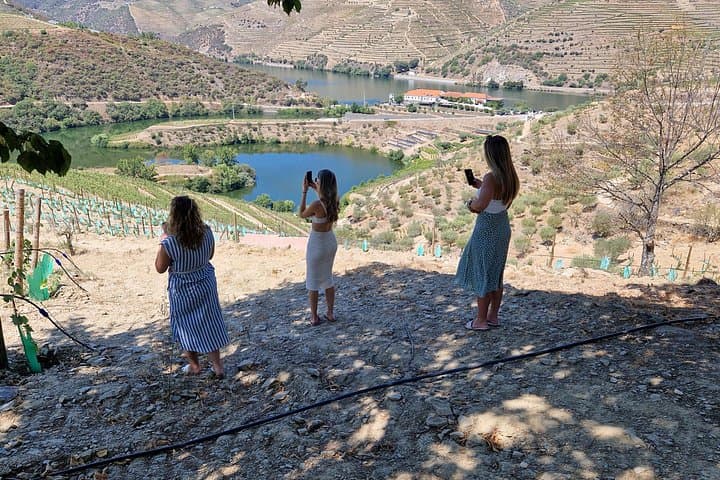
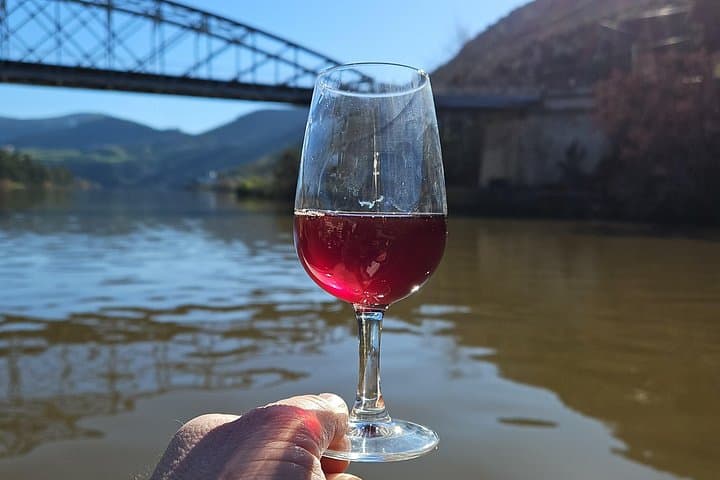
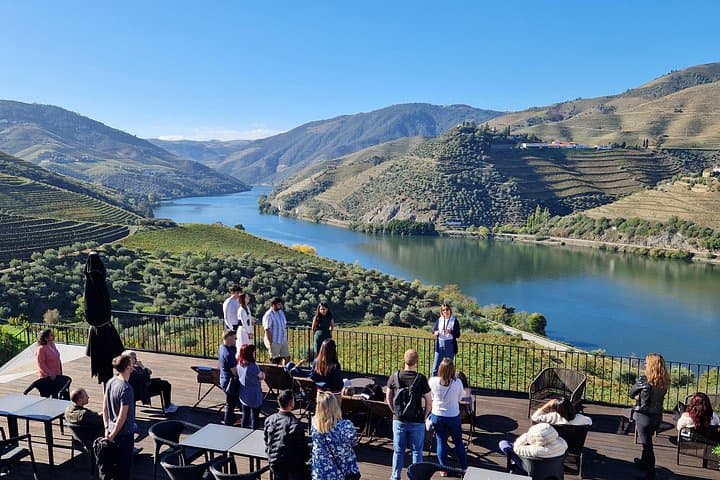
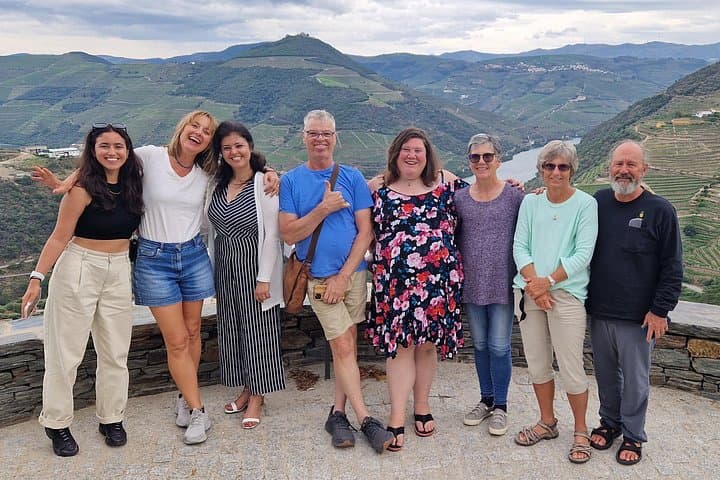
The bus peels away from Porto’s granite facades and the city gives way to folded hills carved into terraces of grapevines. The Douro River threads through steep slopes, its surface catching light as small rabelo boats once did when they ferried barrels of wine downstream. On this full-day circuit visitors move from cobbled village lanes to family-owned quintas, taste wines beneath arched cellars and slide onto a one-hour boat on the river where the valley’s scale finally registers.
The bus peels away from Porto’s granite facades and the city gives way to folded hills carved into terraces of grapevines. The Douro River threads through steep slopes, its surface catching light as small rabelo boats once did when they ferried barrels of wine downstream. On this full-day circuit visitors move from cobbled village lanes to family-owned quintas, taste wines beneath arched cellars and slide onto a one-hour boat on the river where the valley’s scale finally registers.
Geology here is readable: schist bedrock split into thin slabs that vintners stacked into terraces, forcing vines to cling and concentrate flavor. Culturally the valley has been shaped by port commerce since the 18th century; towns like Peso da Régua and Pinhão grew around river traffic and wine trade. Expect guides to narrate both family histories and the technical side of viticulture—how slope, sun exposure and schist combine to produce the region’s distinct fortified and table wines.
Practically, the day is long but low-impact: a roughly 9–10 hour shared tour with two tastings, a regional lunch and a calm river cruise. Wear comfortable shoes for uneven cellar floors and a hat for midday sun. Bring a small daypack, water bottle and a light layer for breezy conditions on the boat. If you plan to photograph terraces, aim for golden-hour light on the return drive along the N222. For dietary needs notify the operator ahead of time. The route rewards patience: slow travel here reveals how human hands have shaped a landscape that keeps returning the favor—grapes, perspectives and quiet river miles.