THE ADVENTURE COLLECTIVE® · Independent discovery and booking for outdoor travel

Spend a day in the Douro Valley harvesting grapes, touring a quinta and tasting estate wines on a full-day trip from Porto. This hands-on tour combines farm work with cultural insight and a traditional lunch.
Spend a day in the Douro Valley harvesting grapes, touring a quinta and tasting estate wines on a full-day trip from Porto. This hands-on tour combines farm work with cultural insight and a traditional lunch.
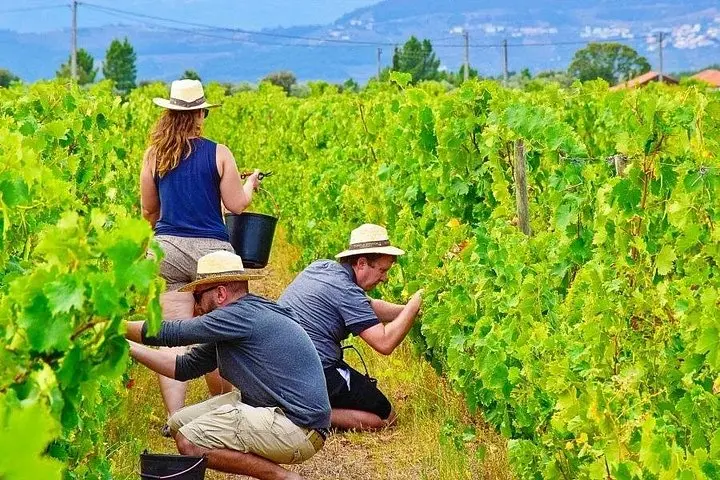
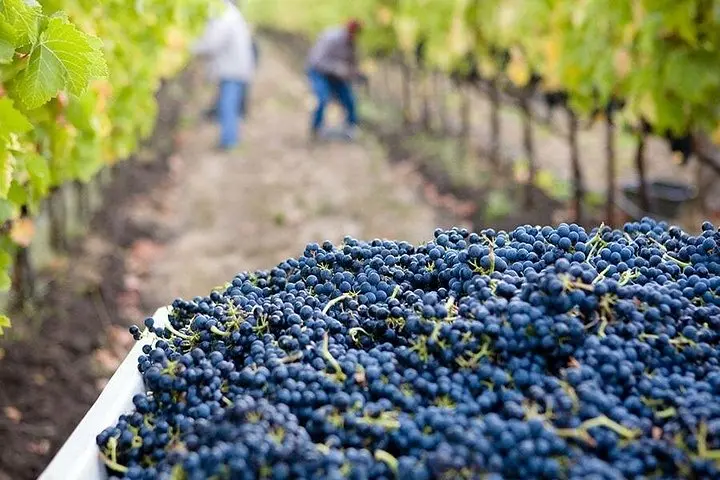
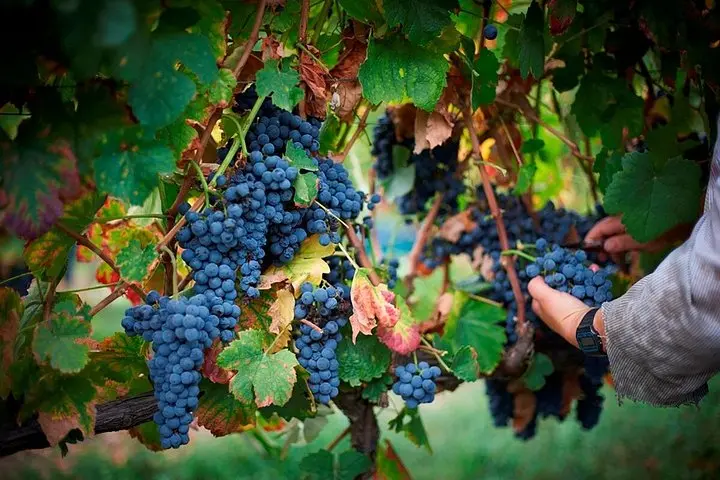
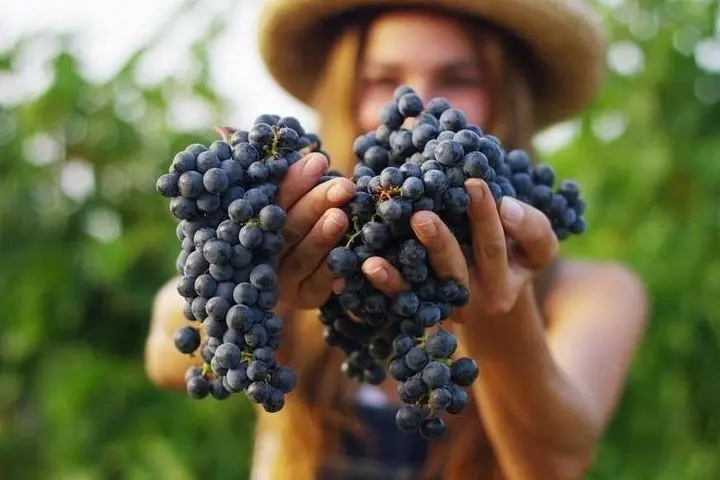
A low sun gilds terraced vineyards as the minivan eases away from Porto and the Douro River dares travelers toward steeper slopes. On arrival, the day opens with the precise rhythm of the harvest: scissors snip ripened clusters, boots find narrow earthen paths, and the guide translates labor into lineage — how vines, microclimates and centuries of practice yield a bottle’s character.
Verified experiences and guided adventures in the surrounding area.
Operated by 496 Tourism & Events · Pinhão, Vila Real
A low sun gilds terraced vineyards as the minivan eases away from Porto and the Douro River dares travelers toward steeper slopes. On arrival, the day opens with the precise rhythm of the harvest: scissors snip ripened clusters, boots find narrow earthen paths, and the guide translates labor into lineage — how vines, microclimates and centuries of practice yield a bottle’s character.
The Douro’s steep schist terraces were carved by hand over generations and shaped by a climate that alternates hot, dry summers with cool, wet winters. Wine culture here is both economic engine and social language; traditional quintas (wine estates) combine old granite presses with modern fermentation tanks. Geologically, the schist soils drain quickly and reflect heat, concentrating sugars in the grapes — a detail that becomes clear when tasting follows the pruning and sorting.
Visitors spend several hours working alongside pickers, observing processing and sampling estate wines at a shaded table where lunch features regional flavors. Conversation often turns to local grape varieties like Touriga Nacional and the centuries-old Port trade that put the valley on the map.
Practical guide: the tour runs about eight hours round-trip from Porto with roughly 90 minutes each way; expect light-to-moderate physical activity, standing and short uphill walks on uneven ground. Wear sturdy closed-toe shoes, sun protection and layers for shifting temperatures. Bring a small daypack, reusable water bottle and a sense of curiosity — questions are encouraged during tastings and Q&A. For those who want to experience viticulture up close, this is a hands-on way to turn soil and sun into stories and samples.
No; the tour is designed for beginners and includes guidance on safe harvesting techniques and vineyard etiquette.
The transfer is approximately 90 minutes each way depending on traffic; the full tour is about eight hours including travel.
Yes; the itinerary includes a traditional harvest lunch and multiple wine tastings at the quinta.
The tour is suitable for most ages and fitness levels but requires standing and walking on uneven terrain; check with the operator for very young children or mobility limitations.
496 Tourism & Events operates guided outdoor trips and adventures with an emphasis on safety, stewardship, and memorable experiences.
A low sun gilds terraced vineyards as the minivan eases away from Porto and the Douro River dares travelers toward steeper slopes. On arrival, the day opens with the precise rhythm of the harvest: scissors snip ripened clusters, boots find narrow earthen paths, and the guide translates labor into lineage — how vines, microclimates and centuries of practice yield a bottle’s character.
A low sun gilds terraced vineyards as the minivan eases away from Porto and the Douro River dares travelers toward steeper slopes. On arrival, the day opens with the precise rhythm of the harvest: scissors snip ripened clusters, boots find narrow earthen paths, and the guide translates labor into lineage — how vines, microclimates and centuries of practice yield a bottle’s character.
The Douro’s steep schist terraces were carved by hand over generations and shaped by a climate that alternates hot, dry summers with cool, wet winters. Wine culture here is both economic engine and social language; traditional quintas (wine estates) combine old granite presses with modern fermentation tanks. Geologically, the schist soils drain quickly and reflect heat, concentrating sugars in the grapes — a detail that becomes clear when tasting follows the pruning and sorting.
Visitors spend several hours working alongside pickers, observing processing and sampling estate wines at a shaded table where lunch features regional flavors. Conversation often turns to local grape varieties like Touriga Nacional and the centuries-old Port trade that put the valley on the map.
Practical guide: the tour runs about eight hours round-trip from Porto with roughly 90 minutes each way; expect light-to-moderate physical activity, standing and short uphill walks on uneven ground. Wear sturdy closed-toe shoes, sun protection and layers for shifting temperatures. Bring a small daypack, reusable water bottle and a sense of curiosity — questions are encouraged during tastings and Q&A. For those who want to experience viticulture up close, this is a hands-on way to turn soil and sun into stories and samples.