THE ADVENTURE COLLECTIVE® · Independent discovery and booking for outdoor travel

Spend a day exploring the Douro Valley’s terraced vineyards: three focused wine tastings, a family‑run lunch in an 18th‑century manor, and an optional Rabelo boat cruise along the river. This small‑group tour from Porto combines landscape, culture, and hands‑on cellar visits for an efficient and scenic day trip.
Spend a day exploring the Douro Valley’s terraced vineyards: three focused wine tastings, a family‑run lunch in an 18th‑century manor, and an optional Rabelo boat cruise along the river. This small‑group tour from Porto combines landscape, culture, and hands‑on cellar visits for an efficient and scenic day trip.
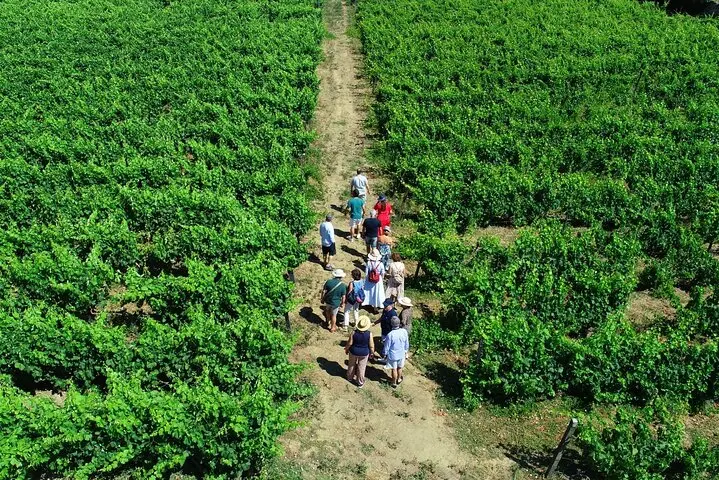
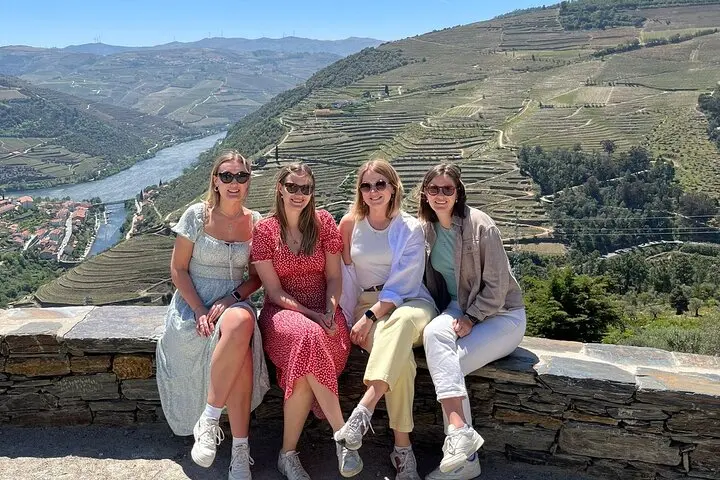
The minivan eases out of Porto and the land begins to tilt: limestone and schist terraces step down to a river that keeps pulling the eye. Vine rows run like stitched ribs across the hills, and the Douro itself dares you to slow down—its current a quiet, steady guide past blue-and-white tile stations and weathered manor houses.
Verified experiences and guided adventures in the surrounding area.
Operated by Touch Tours · Pinhão, Vila Real
The minivan eases out of Porto and the land begins to tilt: limestone and schist terraces step down to a river that keeps pulling the eye. Vine rows run like stitched ribs across the hills, and the Douro itself dares you to slow down—its current a quiet, steady guide past blue-and-white tile stations and weathered manor houses.
This UNESCO World Heritage landscape is shaped by Roman and medieval vines, but the region’s visible history is 18th–19th century terracing and the port trade that linked the valley to the Atlantic. Geologically, the Douro slices through hard schist that forces vines to cling to narrow terraces; culturally, families have tended these plots for generations, producing both table wines and fortified Port.
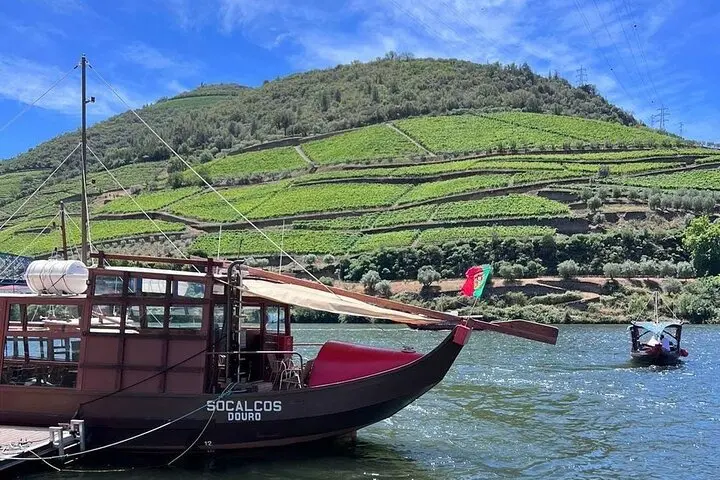
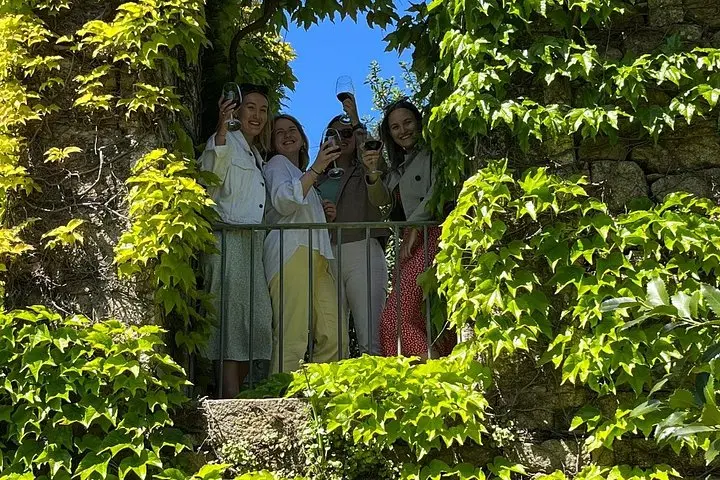
Expect three structured tastings at small producers and a family-run lunch in an 18th-century manor where cellar visits explain traditional lagares and aging in oak. Pinhão’s train station offers a short riverside stroll and iconic azulejos; an optional Rabelo boat cruise gives a different read on the terraces from the water.
Practical edge: the day is long (about nine hours), mostly seated transport with short walks on uneven, sometimes steep vineyard paths. Bring a refillable water bottle, sun protection, and comfortable shoes with grip. Book the optional cruise early and factor in a moderate alcohol tolerance—tastings are generous. Most operators include Wi‑Fi and small-group service, and cancellation is typically allowed up to 24 hours prior. Whether you come for scenery, history, or the wines, the Douro rewards slow observation and steady footing.
The full experience runs about nine hours door-to-door, including transport, tastings, lunch, and stops in Pinhão and Amarante.
The Rabelo boat cruise is optional—reserve it when booking or join a short riverside walk as an alternative.
Yes—non-drinkers can still join for scenery, food pairings, and cellar tours; most operators provide non‑alcoholic options on request.
Most small‑group operators include central Porto pickup; check your booking confirmation for exact pickup points and times.
Touch Tours operates guided outdoor trips and adventures with an emphasis on safety, stewardship, and memorable experiences.
The minivan eases out of Porto and the land begins to tilt: limestone and schist terraces step down to a river that keeps pulling the eye. Vine rows run like stitched ribs across the hills, and the Douro itself dares you to slow down—its current a quiet, steady guide past blue-and-white tile stations and weathered manor houses.
The minivan eases out of Porto and the land begins to tilt: limestone and schist terraces step down to a river that keeps pulling the eye. Vine rows run like stitched ribs across the hills, and the Douro itself dares you to slow down—its current a quiet, steady guide past blue-and-white tile stations and weathered manor houses.
This UNESCO World Heritage landscape is shaped by Roman and medieval vines, but the region’s visible history is 18th–19th century terracing and the port trade that linked the valley to the Atlantic. Geologically, the Douro slices through hard schist that forces vines to cling to narrow terraces; culturally, families have tended these plots for generations, producing both table wines and fortified Port.
Expect three structured tastings at small producers and a family-run lunch in an 18th-century manor where cellar visits explain traditional lagares and aging in oak. Pinhão’s train station offers a short riverside stroll and iconic azulejos; an optional Rabelo boat cruise gives a different read on the terraces from the water.
Practical edge: the day is long (about nine hours), mostly seated transport with short walks on uneven, sometimes steep vineyard paths. Bring a refillable water bottle, sun protection, and comfortable shoes with grip. Book the optional cruise early and factor in a moderate alcohol tolerance—tastings are generous. Most operators include Wi‑Fi and small-group service, and cancellation is typically allowed up to 24 hours prior. Whether you come for scenery, history, or the wines, the Douro rewards slow observation and steady footing.