THE ADVENTURE COLLECTIVE® · Independent discovery and booking for outdoor travel

Launch from the high pass of Abra Málaga and descend into the Sacred Valley on a 30–35 km mountain bike route that mixes dirt roads, singletrack, and Inca-era landscapes. This guided outing combines high-altitude scenery, local culture, and sustained downhill riding suitable for riders with basic off-road skills.
Launch from the high pass of Abra Málaga and descend into the Sacred Valley on a 30–35 km mountain bike route that mixes dirt roads, singletrack, and Inca-era landscapes. This guided outing combines high-altitude scenery, local culture, and sustained downhill riding suitable for riders with basic off-road skills.
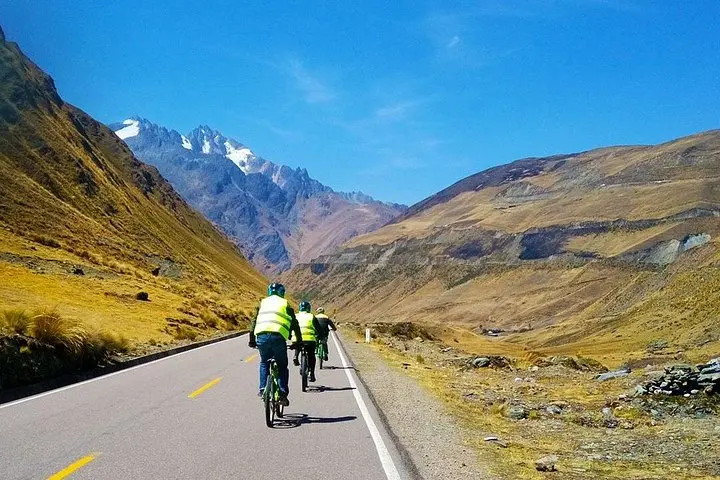
You stand at the high shoulder of Abra Málaga where the air is thin and the horizon opens into a raw Andean sweep.
Bikes line up at roughly 4,200–4,300 m, guides run quick checks, and the first push sends you over a ridge into wind-sculpted grass and the long descent toward the Tastayoc valleys and Ollantaytambo.
Verified experiences and guided adventures in the surrounding area.
Operated by Ortiz Adventure Tours Peru · Ollantaytambo, Cusco
You stand at the high shoulder of Abra Málaga where the air is thin and the horizon opens into a raw Andean sweep.
Bikes line up at roughly 4,200–4,300 m, guides run quick checks, and the first push sends you over a ridge into wind-sculpted grass and the long descent toward the Tastayoc valleys and Ollantaytambo.
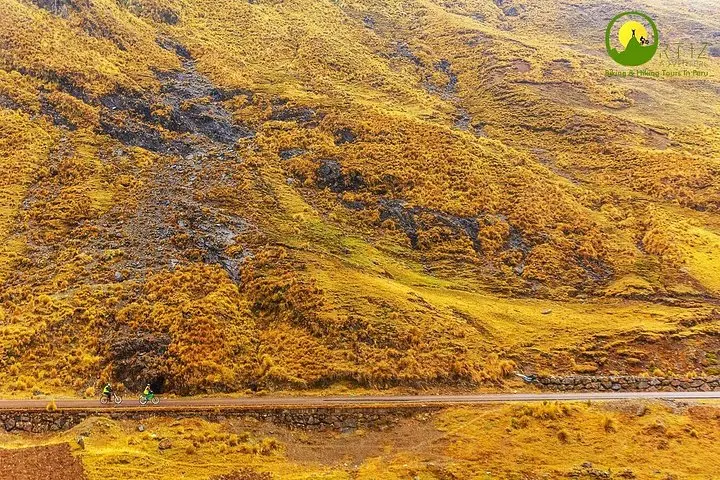
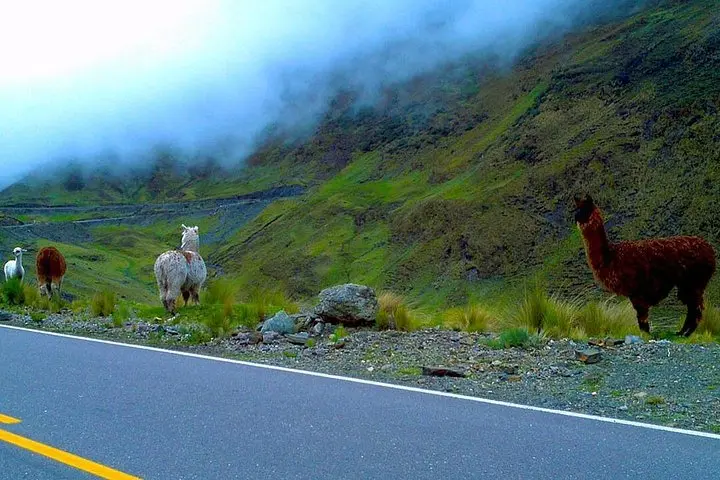
The route threads Inca-era trails and modern switchbacks, sliding through terraces and puna grasslands carved by glaciers and uplifted by tectonics. Rocks here keep the memory of ancient paths; small adobe communities still practice traditional weaving and shepherding. Geologically the Sacred Valley is a mosaic of folded strata and river-cut canyons that shape short, steep sprints and long, rolling sections on the way down.
Expect roughly 30–35 km of mostly dirt road and rough singletrack with about 1,200–1,500 m of net descent—fast in places, loose gravel in others, and occasional technical switchbacks. The ride suits riders comfortable with sustained downhill braking and basic off-road handling rather than expert freeride maneuvers. Guides commonly include pickup from Ollantaytambo, bilingual instruction, and small groups (max ~10).
Practical notes: start early to avoid afternoon weather, allow time to acclimatize in Cusco or Ollantaytambo, and carry layered clothing, sun protection, and at least 1.5–2 L of water. The company often cancels for heavy weather; bring ID/passport for booking and respect local communities by staying on designated tracks and packing out trash.
Most guided rides cover about 30–35 km with roughly 1,200–1,500 m of net descent, finished in around four hours including stops.
You don’t need to be an expert, but you should be comfortable with basic off-road handling, braking on loose surfaces, and riding for several hours at altitude.
Guided tours typically include pickup from Ollantaytambo and return, as well as bilingual guides and basic bike setup; check your booking for specifics.
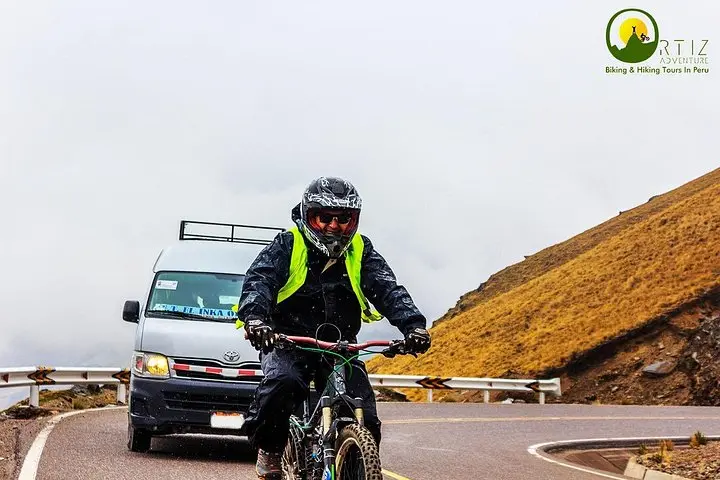
Operators often cancel in heavy rain or unsafe conditions—confirm the company’s weather policy and bring waterproof layers just in case.
Ortiz Adventure Tours Peru operates guided outdoor trips and adventures with an emphasis on safety, stewardship, and memorable experiences.
You stand at the high shoulder of Abra Málaga where the air is thin and the horizon opens into a raw Andean sweep.
Bikes line up at roughly 4,200–4,300 m, guides run quick checks, and the first push sends you over a ridge into wind-sculpted grass and the long descent toward the Tastayoc valleys and Ollantaytambo.
The route threads Inca-era trails and modern switchbacks, sliding through terraces and puna grasslands carved by glaciers and uplifted by tectonics. Rocks here keep the memory of ancient paths; small adobe communities still practice traditional weaving and shepherding. Geologically the Sacred Valley is a mosaic of folded strata and river-cut canyons that shape short, steep sprints and long, rolling sections on the way down.
Expect roughly 30–35 km of mostly dirt road and rough singletrack with about 1,200–1,500 m of net descent—fast in places, loose gravel in others, and occasional technical switchbacks. The ride suits riders comfortable with sustained downhill braking and basic off-road handling rather than expert freeride maneuvers. Guides commonly include pickup from Ollantaytambo, bilingual instruction, and small groups (max ~10).
Practical notes: start early to avoid afternoon weather, allow time to acclimatize in Cusco or Ollantaytambo, and carry layered clothing, sun protection, and at least 1.5–2 L of water. The company often cancels for heavy weather; bring ID/passport for booking and respect local communities by staying on designated tracks and packing out trash.