THE ADVENTURE COLLECTIVE® · Independent discovery and booking for outdoor travel

Explore Asheville’s Art Deco core and turn-of-the-century landmarks on a compact, historian-led walk through downtown. It’s a one-hour, one-mile loop that blends architecture, culture, and local lore—easy on the legs, rich in detail.
Explore Asheville’s Art Deco core and turn-of-the-century landmarks on a compact, historian-led walk through downtown. It’s a one-hour, one-mile loop that blends architecture, culture, and local lore—easy on the legs, rich in detail.
Morning light slides along Patton Avenue and the city’s Art Deco flourishes wake up first—glazed tiles catching sun, copper details warming from pink to gold. A historian gathers the small group outside The Times Bar & Coffee Shop, steam rising from takeaway cups as downtown hums to life. The route is short and easy, but Asheville asks you to look up: faces chiseled into the Drhumor Building watch from the 1890s, while the sleek lines of City Hall and the County Courthouse nod to the 1920s boom that reshaped the skyline.
Verified experiences and guided adventures in the surrounding area.
Operated by Triangle Walking Tours: Greensboro · Asheville, North Carolina
Morning light slides along Patton Avenue and the city’s Art Deco flourishes wake up first—glazed tiles catching sun, copper details warming from pink to gold. A historian gathers the small group outside The Times Bar & Coffee Shop, steam rising from takeaway cups as downtown hums to life. The route is short and easy, but Asheville asks you to look up: faces chiseled into the Drhumor Building watch from the 1890s, while the sleek lines of City Hall and the County Courthouse nod to the 1920s boom that reshaped the skyline.
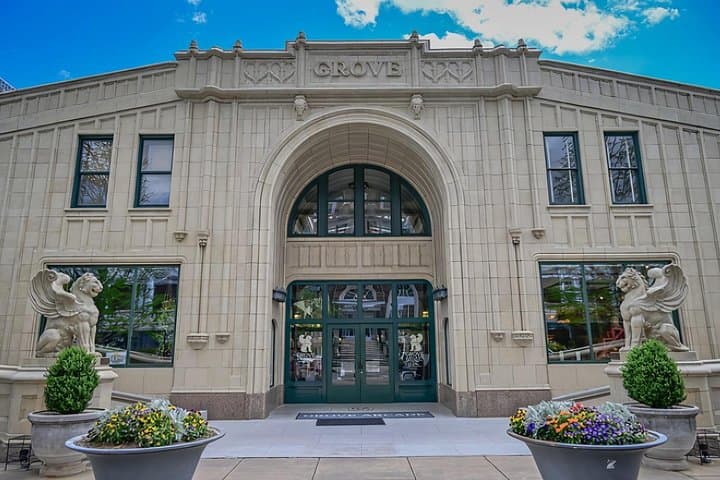
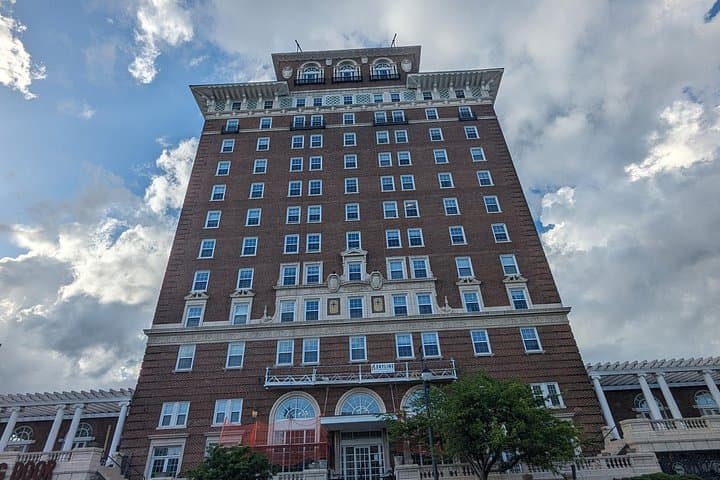
This guided walk traces the city’s rise from mountain crossroads to cultural outpost. The railroad’s arrival in the 1880s pulled Asheville into prominence; George Vanderbilt’s nearby Biltmore Estate brought national attention; then the Jazz Age sprint filled streets with brick, terra-cotta, and ambition. When the Great Depression hit, Asheville chose to pay its debts rather than raze and rebuild, a decision that preserved much of the downtown fabric seen today. The Grove Arcade, a 1929 marketplace rescued from wartime use, now buzzes again with shops and bakeries, and the former Battery Park Hotel site hints at the city’s resort-era glamour.
The walk rolls across curb-cut sidewalks and gentle grades, making it accessible for wheelchairs and strollers. Expect about a mile of walking in roughly an hour, with frequent stops to parse ornament, date stones, and the city’s layered stories. Your guide threads past the Penney Building and toward the Thomas Wolfe House, where the author’s Asheville roots come into focus. Along the way, local lore—street names, preservation battles, and the craft revival—is paired with practical context: where to find shade, restrooms, and the next good coffee.
Timing matters here. Early mornings offer quiet streets and soft light for photographing details; late afternoons bring warm tones and the chance to linger at S&W Market post-tour. Summer days can turn humid with pop-up storms; winter air is crisp, with clear views down long corridors of brick. Public garages at Rankin Avenue and Wall Street keep parking simple, and city buses drop within a few blocks of the meeting point.
This is a compact, story-rich loop that rewards curiosity. Buildings whisper dates, cornices tug your gaze upward, and Asheville’s past keeps stepping forward, asking you to match brick and era one corner at a time. You finish where you started—close enough for a celebratory espresso or a slow read of the city’s facade, now that it has introduced itself properly.
About one mile over roughly 60 minutes, with frequent stops on flat, curb-cut sidewalks.
Yes. The route follows smooth sidewalks with curb ramps and gentle grades, suitable for wheelchairs and strollers.
Light rain tours typically proceed—bring a rain jacket. Severe weather may prompt rescheduling or refunds per the operator’s policy.
Yes. Public restrooms are available inside the Grove Arcade and at nearby businesses like S&W Market when open.
Service animals are welcome. For other pets, check with the operator in advance and be mindful of busy sidewalks.
Yes. The short, engaging route works well for families, and strollers are welcome.
Triangle Walking Tours: Greensboro operates guided outdoor trips and adventures with an emphasis on safety, stewardship, and memorable experiences.
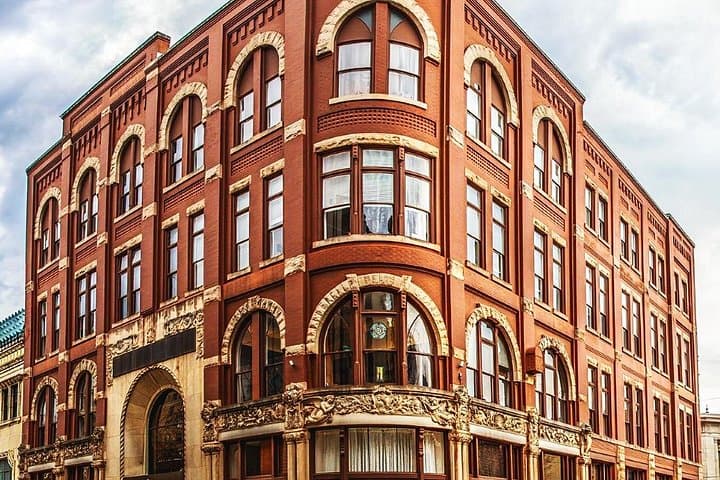

Morning light slides along Patton Avenue and the city’s Art Deco flourishes wake up first—glazed tiles catching sun, copper details warming from pink to gold. A historian gathers the small group outside The Times Bar & Coffee Shop, steam rising from takeaway cups as downtown hums to life. The route is short and easy, but Asheville asks you to look up: faces chiseled into the Drhumor Building watch from the 1890s, while the sleek lines of City Hall and the County Courthouse nod to the 1920s boom that reshaped the skyline.
Morning light slides along Patton Avenue and the city’s Art Deco flourishes wake up first—glazed tiles catching sun, copper details warming from pink to gold. A historian gathers the small group outside The Times Bar & Coffee Shop, steam rising from takeaway cups as downtown hums to life. The route is short and easy, but Asheville asks you to look up: faces chiseled into the Drhumor Building watch from the 1890s, while the sleek lines of City Hall and the County Courthouse nod to the 1920s boom that reshaped the skyline.
This guided walk traces the city’s rise from mountain crossroads to cultural outpost. The railroad’s arrival in the 1880s pulled Asheville into prominence; George Vanderbilt’s nearby Biltmore Estate brought national attention; then the Jazz Age sprint filled streets with brick, terra-cotta, and ambition. When the Great Depression hit, Asheville chose to pay its debts rather than raze and rebuild, a decision that preserved much of the downtown fabric seen today. The Grove Arcade, a 1929 marketplace rescued from wartime use, now buzzes again with shops and bakeries, and the former Battery Park Hotel site hints at the city’s resort-era glamour.
The walk rolls across curb-cut sidewalks and gentle grades, making it accessible for wheelchairs and strollers. Expect about a mile of walking in roughly an hour, with frequent stops to parse ornament, date stones, and the city’s layered stories. Your guide threads past the Penney Building and toward the Thomas Wolfe House, where the author’s Asheville roots come into focus. Along the way, local lore—street names, preservation battles, and the craft revival—is paired with practical context: where to find shade, restrooms, and the next good coffee.
Timing matters here. Early mornings offer quiet streets and soft light for photographing details; late afternoons bring warm tones and the chance to linger at S&W Market post-tour. Summer days can turn humid with pop-up storms; winter air is crisp, with clear views down long corridors of brick. Public garages at Rankin Avenue and Wall Street keep parking simple, and city buses drop within a few blocks of the meeting point.
This is a compact, story-rich loop that rewards curiosity. Buildings whisper dates, cornices tug your gaze upward, and Asheville’s past keeps stepping forward, asking you to match brick and era one corner at a time. You finish where you started—close enough for a celebratory espresso or a slow read of the city’s facade, now that it has introduced itself properly.