THE ADVENTURE COLLECTIVE® · Independent discovery and booking for outdoor travel

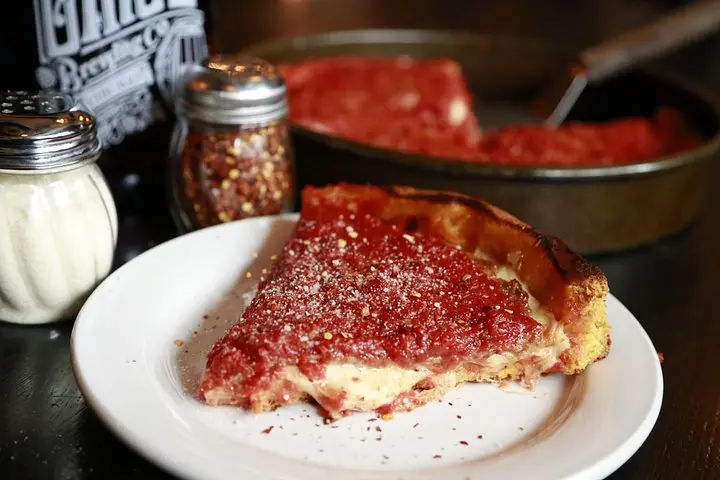
Stroll the River North streets while sampling four distinct pizza styles—from Chicago deep-dish to Neapolitan—and learn the techniques and history that turned immigrant recipes into a local obsession. This 2–3 hour walking tour blends bites, backstory, and practical tips for getting the most from each slice.
Stroll the River North streets while sampling four distinct pizza styles—from Chicago deep-dish to Neapolitan—and learn the techniques and history that turned immigrant recipes into a local obsession. This 2–3 hour walking tour blends bites, backstory, and practical tips for getting the most from each slice.
The tour begins where the river cuts a bright silver line through glass and limestone: on the Ogden Slip dock, under the brim of bridges and the constant hum of the city. A guide waves a small flag, the group gathers, and Naples meets Chicago in a slow, deliberate parade down sidewalks that still remember the footsteps of immigrants and merchants.
Verified experiences and guided adventures in the surrounding area.
Operated by Chicago Pizza Tour · Chicago, Illinois
The tour begins where the river cuts a bright silver line through glass and limestone: on the Ogden Slip dock, under the brim of bridges and the constant hum of the city. A guide waves a small flag, the group gathers, and Naples meets Chicago in a slow, deliberate parade down sidewalks that still remember the footsteps of immigrants and merchants.
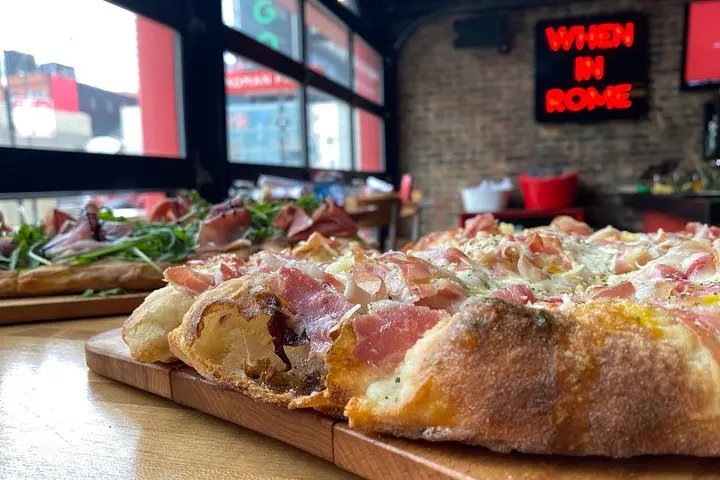
Walking these streets is walking through culinary history. Chicago’s pizza story starts with Italian immigrants bringing Neapolitan techniques, then diverging into local experiments—deep-dish in the 1940s, Roman-style thin crusts, and a new wave of Neapolitan and artisanal makers using blistered dough and minimalist toppings. The River North and Gold Coast neighborhoods you pass through were reshaped in the 20th century by industry, post-fire rebuilding, and later, a boom of galleries and restaurants that set the stage for pizza’s evolution here.
Geology and urban design are part of the palate: the Chicago River, which pushed commerce inland, also shaped where ovens and bakeries could set up shop. Brick, cast iron, and limestone facades frame storefronts, and occasional alleyways reveal old stone foundations—reminders that food culture here grew out of a working port.
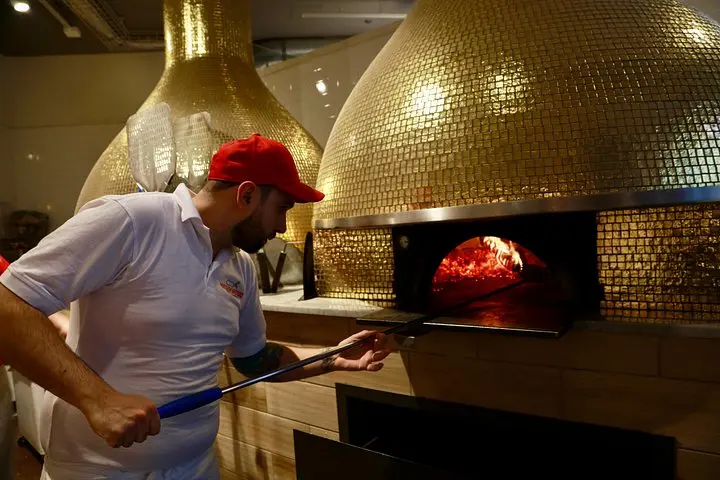
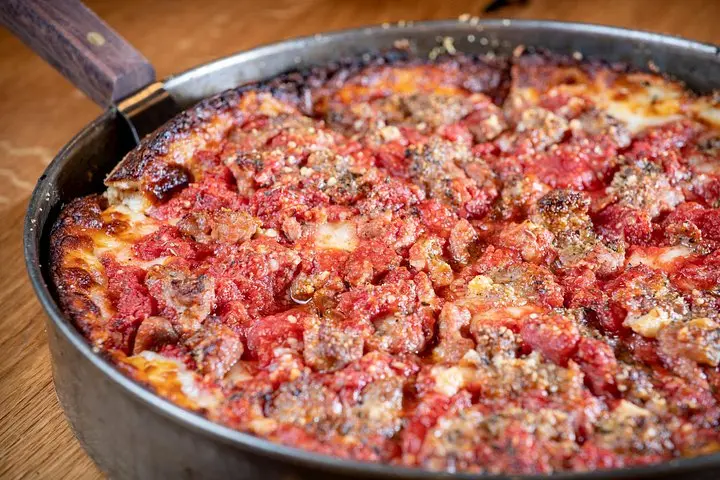
Culturally the tour is as much about technique as taste. Guides explain dough hydration, oven temperature and the difference between pan-based deep-dish and a high-heat Neapolitan. There are short stops to compare textures and sauces, and to learn how immigrant frugality became local indulgence.
Practical guidance is straightforward: expect 2–3 hours of walking across mostly flat, paved sidewalks with occasional short flights of stairs into restaurants. Bring comfortable shoes and an appetite—portions are generous. This experience is accessible for most fitness levels and operates rain or shine, so dress in layers and check weather before you go. If you have dietary restrictions, notify the operator when booking; many stops can accommodate gluten-free or vegetarian options but advance notice helps.
Timing matters: early evening light softens river reflections and fills pizza crusts with golden highlights—good for photos and for avoiding peak dinner waits. The group size keeps pacing relaxed, and the guide balances stories with tasting time so you can savor differences in ovens, toppings, and technique.
By the final slice at a River North spot, the city’s culinary lineage is clear: a working-class import refined by Chicago ambition. You leave with a fuller stomach and a clearer sense of how place, oven, and immigrant skill shaped an American original.
Expect roughly 1.5–2 miles total, spread over several short walks between pizzerias in River North, Gold Coast, and the Loop.
Yes—most venues and sidewalks are accessible; note that some restaurants may have a step or narrow aisles, so contact the operator if you need specific accommodations.
Children are welcome; infants under 6 are free but please notify the operator when booking so portions and pacing can be adjusted.
Notify the operator in advance; many stops can provide vegetarian or gluten-free alternatives but advance notice is required.
Guides are typically tipped; if service at a restaurant warrants it, follow local custom (15–20% for sit-down service).
Full refunds are available if you cancel at least 24 hours before departure; check your booking confirmation for details.
Chicago Pizza Tour operates guided outdoor trips and adventures with an emphasis on safety, stewardship, and memorable experiences.
The tour begins where the river cuts a bright silver line through glass and limestone: on the Ogden Slip dock, under the brim of bridges and the constant hum of the city. A guide waves a small flag, the group gathers, and Naples meets Chicago in a slow, deliberate parade down sidewalks that still remember the footsteps of immigrants and merchants.
The tour begins where the river cuts a bright silver line through glass and limestone: on the Ogden Slip dock, under the brim of bridges and the constant hum of the city. A guide waves a small flag, the group gathers, and Naples meets Chicago in a slow, deliberate parade down sidewalks that still remember the footsteps of immigrants and merchants.
Walking these streets is walking through culinary history. Chicago’s pizza story starts with Italian immigrants bringing Neapolitan techniques, then diverging into local experiments—deep-dish in the 1940s, Roman-style thin crusts, and a new wave of Neapolitan and artisanal makers using blistered dough and minimalist toppings. The River North and Gold Coast neighborhoods you pass through were reshaped in the 20th century by industry, post-fire rebuilding, and later, a boom of galleries and restaurants that set the stage for pizza’s evolution here.
Geology and urban design are part of the palate: the Chicago River, which pushed commerce inland, also shaped where ovens and bakeries could set up shop. Brick, cast iron, and limestone facades frame storefronts, and occasional alleyways reveal old stone foundations—reminders that food culture here grew out of a working port.
Culturally the tour is as much about technique as taste. Guides explain dough hydration, oven temperature and the difference between pan-based deep-dish and a high-heat Neapolitan. There are short stops to compare textures and sauces, and to learn how immigrant frugality became local indulgence.
Practical guidance is straightforward: expect 2–3 hours of walking across mostly flat, paved sidewalks with occasional short flights of stairs into restaurants. Bring comfortable shoes and an appetite—portions are generous. This experience is accessible for most fitness levels and operates rain or shine, so dress in layers and check weather before you go. If you have dietary restrictions, notify the operator when booking; many stops can accommodate gluten-free or vegetarian options but advance notice helps.
Timing matters: early evening light softens river reflections and fills pizza crusts with golden highlights—good for photos and for avoiding peak dinner waits. The group size keeps pacing relaxed, and the guide balances stories with tasting time so you can savor differences in ovens, toppings, and technique.
By the final slice at a River North spot, the city’s culinary lineage is clear: a working-class import refined by Chicago ambition. You leave with a fuller stomach and a clearer sense of how place, oven, and immigrant skill shaped an American original.