THE ADVENTURE COLLECTIVE® · Independent discovery and booking for outdoor travel

Walk downtown Sioux Falls on a three-hour Saturday tour that pairs local history with tasting-sized plates and brewery pours. Perfect for curious food lovers who want context with their bites.
Walk downtown Sioux Falls on a three-hour Saturday tour that pairs local history with tasting-sized plates and brewery pours. Perfect for curious food lovers who want context with their bites.
You step off a shaded street and the city opens in layers: brick storefronts, the low murmur of conversation, the warm pull of baking bread and hops drifting from a nearby brewery. This Saturday food tour threads through Downtown Sioux Falls, guiding you to chef-driven plates, historic taverns, and small-batch brews while a local guide sketches the neighborhood’s past between bites.
Verified experiences and guided adventures in the surrounding area.
Operated by Sioux Falls Food Tours · Sioux Falls, South Dakota
You step off a shaded street and the city opens in layers: brick storefronts, the low murmur of conversation, the warm pull of baking bread and hops drifting from a nearby brewery. This Saturday food tour threads through Downtown Sioux Falls, guiding you to chef-driven plates, historic taverns, and small-batch brews while a local guide sketches the neighborhood’s past between bites.
Sioux Falls grew where the Big Sioux River cut through Sioux quartzite and glacial deposits; the falls themselves powered early mills and drew settlers. The downtown grid holds buildings from the late 19th and early 20th centuries—brick facades, pressed-tin cornices—that now house kitchens mixing regional Midwestern ingredients with contemporary techniques. Culture here blends Dakota and settler histories, working-class roots, and a growing scene of young restaurateurs.
Expect a compact, walkable loop with roughly 1–2 miles of pavement and gentle elevation changes. Stops include casual counters, a gastropub with local taps, and a historic café; portions are tasting-sized but filling across four to six venues. Guides narrate stories about landmark businesses and point out architectural details that explain how the city evolved.
Practical tips: wear comfortable shoes for uneven sidewalks, bring a water bottle if you plan extra drinking, and carry an ID for tastings. Tours run about three hours—best scheduled midday when kitchens are at their freshest. For first-time visitors, arrive a bit early to orient yourself and reserve a spot on weekend dates, which sell out. This is urban exploration through flavor: sensory, social, and easy to customize into a longer downtown evening.
The tour includes tasting portions across multiple stops—enough for a light meal, but plan on a snack if you have a large appetite.
Yes—many stops offer beer and cocktails; bring ID. You can opt out of alcohol and still enjoy the food-focused stops.
The route is on paved sidewalks and most venues are accessible, but notify the operator of mobility needs when booking to confirm specifics.
Full refund is available if you cancel at least 24 hours before the tour; bookings are confirmed instantly.
Sioux Falls Food Tours operates guided outdoor trips and adventures with an emphasis on safety, stewardship, and memorable experiences.
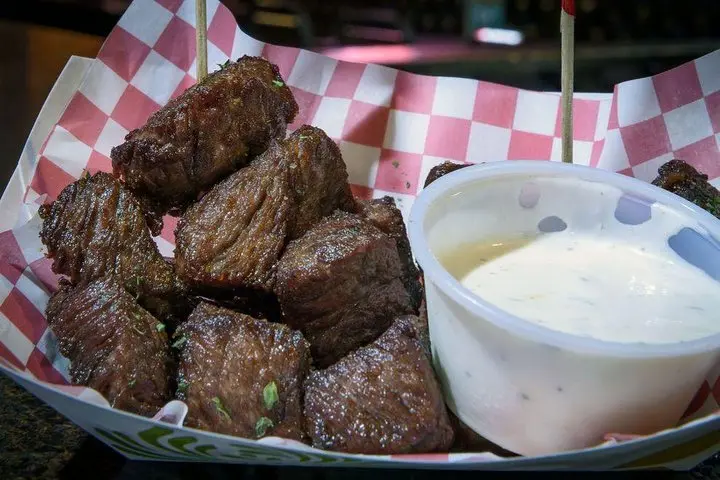
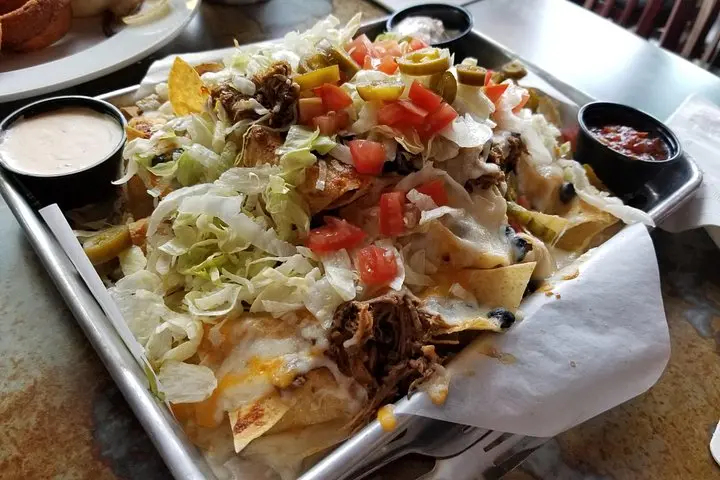
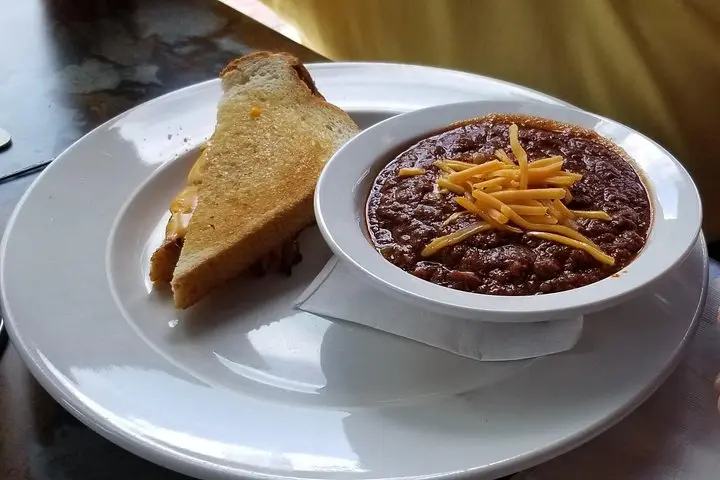
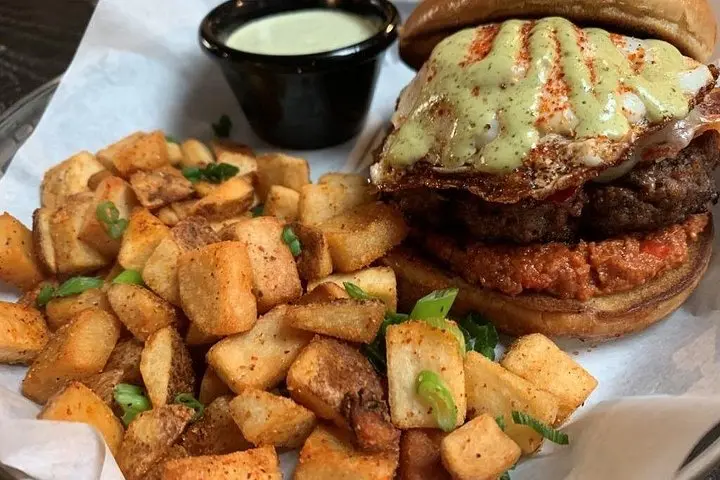
You step off a shaded street and the city opens in layers: brick storefronts, the low murmur of conversation, the warm pull of baking bread and hops drifting from a nearby brewery. This Saturday food tour threads through Downtown Sioux Falls, guiding you to chef-driven plates, historic taverns, and small-batch brews while a local guide sketches the neighborhood’s past between bites.
You step off a shaded street and the city opens in layers: brick storefronts, the low murmur of conversation, the warm pull of baking bread and hops drifting from a nearby brewery. This Saturday food tour threads through Downtown Sioux Falls, guiding you to chef-driven plates, historic taverns, and small-batch brews while a local guide sketches the neighborhood’s past between bites.
Sioux Falls grew where the Big Sioux River cut through Sioux quartzite and glacial deposits; the falls themselves powered early mills and drew settlers. The downtown grid holds buildings from the late 19th and early 20th centuries—brick facades, pressed-tin cornices—that now house kitchens mixing regional Midwestern ingredients with contemporary techniques. Culture here blends Dakota and settler histories, working-class roots, and a growing scene of young restaurateurs.
Expect a compact, walkable loop with roughly 1–2 miles of pavement and gentle elevation changes. Stops include casual counters, a gastropub with local taps, and a historic café; portions are tasting-sized but filling across four to six venues. Guides narrate stories about landmark businesses and point out architectural details that explain how the city evolved.
Practical tips: wear comfortable shoes for uneven sidewalks, bring a water bottle if you plan extra drinking, and carry an ID for tastings. Tours run about three hours—best scheduled midday when kitchens are at their freshest. For first-time visitors, arrive a bit early to orient yourself and reserve a spot on weekend dates, which sell out. This is urban exploration through flavor: sensory, social, and easy to customize into a longer downtown evening.