THE ADVENTURE COLLECTIVE® · Independent discovery and booking for outdoor travel

Walk Whitechapel with a costumed guide and trace the six canonical Jack the Ripper murders while learning the social history and police procedures of 1888. This two‑hour guided walk mixes factual research, period performance and local context.
Walk Whitechapel with a costumed guide and trace the six canonical Jack the Ripper murders while learning the social history and police procedures of 1888. This two‑hour guided walk mixes factual research, period performance and local context.
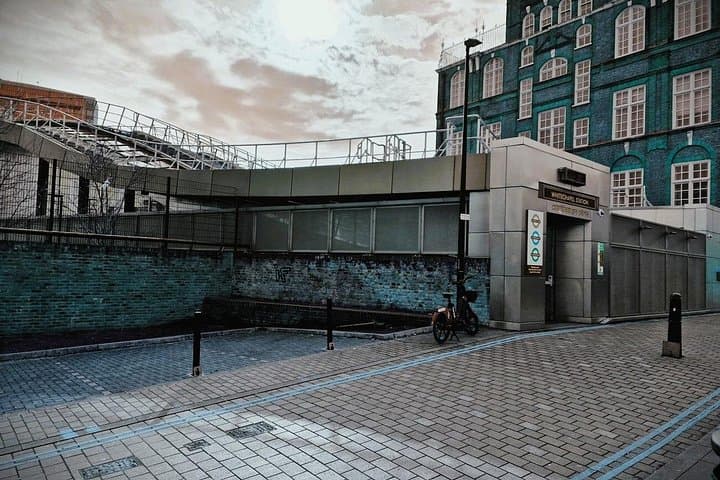
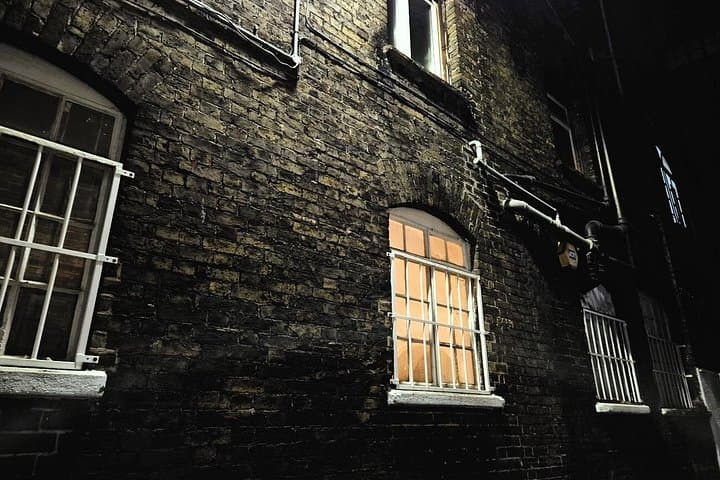
You step off the Tube and the city exhales—fog and diesel, a lamp-post glow catching on wet cobbles as your costumed guide turns to begin the story. The tour gathers across from the Durward Street exit at Aldgate East; voices drop and the narrow alleys of Whitechapel take on the cadence of old newspapers and urgent footfalls.
Verified experiences and guided adventures in the surrounding area.
Operated by Dr Blood's Tours · London, England
You step off the Tube and the city exhales—fog and diesel, a lamp-post glow catching on wet cobbles as your costumed guide turns to begin the story. The tour gathers across from the Durward Street exit at Aldgate East; voices drop and the narrow alleys of Whitechapel take on the cadence of old newspapers and urgent footfalls.
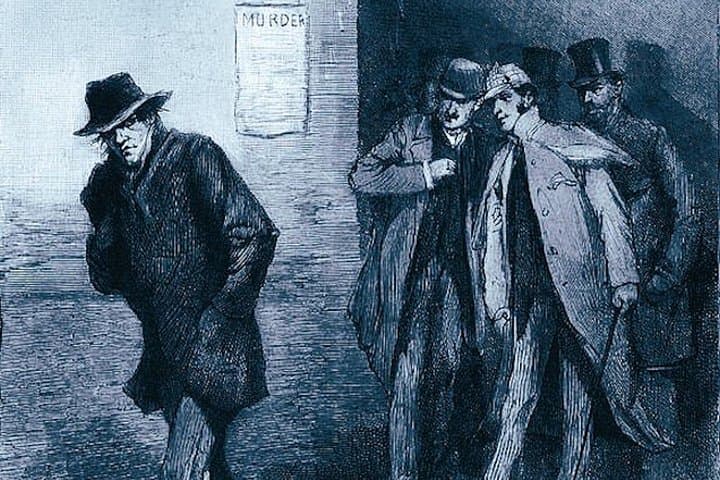
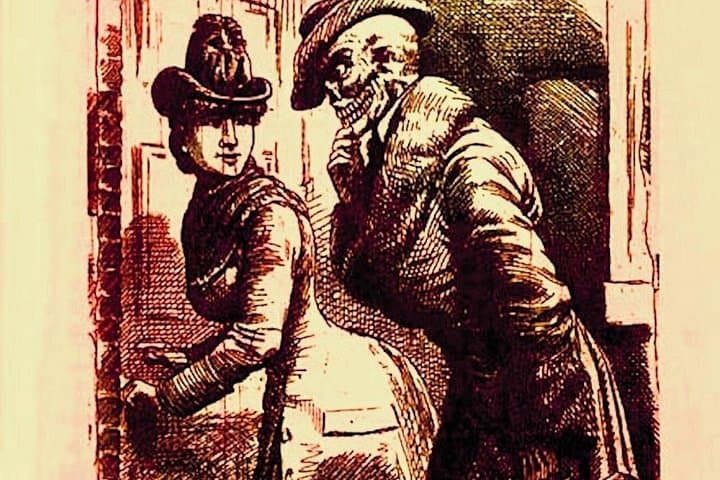
This walk threads through the streets where six canonical murders were recorded in 1888. Beyond sensational headlines, the tour examines Victorian social conditions: overcrowded lodging houses, the docklands’ marshy edge shaped by the Thames, and the strained Metropolitan Police methods of the era. Actors in period costume reconstruct police interviews, print-room rumour and the lives of victims to give the facts texture without glorifying violence.
Culturally, Whitechapel has always been in motion—immigrant waves, market traders, and small family businesses that survived the Blitz and post-industrial shifts. The route visits five actual crime locations and pauses at sites tied to forensic breakthroughs and penny‑press panic, then ends near Brushfield Street and Spitalfields’ market lanes.
Practical guidance: the tour is two hours on paved streets with some standing; bring a weatherproof layer and sturdy shoes. Photography is allowed but mind private property and memorials; the content is graphic at times, so it’s not recommended for young children or those sensitive to forensic detail. Guides aim to inform and contextualize—arrive 10 minutes early to check in and to make the most of a tightly packed historical narrative.
The guide meets just across from the Durward Street exit of Aldgate East Underground station—arrive about 10 minutes early to check in.
Content includes descriptions of violent crimes and forensic detail; the operator recommends it for older teens and adults rather than young children.
Yes—photography on public streets is allowed, but be respectful of private property, pubs, and memorials and avoid photographing people without consent.
The route uses paved streets and some cobbles and may include short stair access; it's classified as suitable for most fitness levels but not recommended for those with significant back or spinal problems.
Dr Blood's Tours operates guided outdoor trips and adventures with an emphasis on safety, stewardship, and memorable experiences.
You step off the Tube and the city exhales—fog and diesel, a lamp-post glow catching on wet cobbles as your costumed guide turns to begin the story. The tour gathers across from the Durward Street exit at Aldgate East; voices drop and the narrow alleys of Whitechapel take on the cadence of old newspapers and urgent footfalls.
You step off the Tube and the city exhales—fog and diesel, a lamp-post glow catching on wet cobbles as your costumed guide turns to begin the story. The tour gathers across from the Durward Street exit at Aldgate East; voices drop and the narrow alleys of Whitechapel take on the cadence of old newspapers and urgent footfalls.
This walk threads through the streets where six canonical murders were recorded in 1888. Beyond sensational headlines, the tour examines Victorian social conditions: overcrowded lodging houses, the docklands’ marshy edge shaped by the Thames, and the strained Metropolitan Police methods of the era. Actors in period costume reconstruct police interviews, print-room rumour and the lives of victims to give the facts texture without glorifying violence.
Culturally, Whitechapel has always been in motion—immigrant waves, market traders, and small family businesses that survived the Blitz and post-industrial shifts. The route visits five actual crime locations and pauses at sites tied to forensic breakthroughs and penny‑press panic, then ends near Brushfield Street and Spitalfields’ market lanes.
Practical guidance: the tour is two hours on paved streets with some standing; bring a weatherproof layer and sturdy shoes. Photography is allowed but mind private property and memorials; the content is graphic at times, so it’s not recommended for young children or those sensitive to forensic detail. Guides aim to inform and contextualize—arrive 10 minutes early to check in and to make the most of a tightly packed historical narrative.