THE ADVENTURE COLLECTIVE® · Independent discovery and booking for outdoor travel

Trace Vlad Țepeș’s footsteps across Transylvania on an eight-day small-group route from Bucharest to Sighișoara, Poenari and Bran. Expect medieval citadels, the Transfăgărășan high road and an extraordinary salt-mine descent—packed with history and practical touring.
Trace Vlad Țepeș’s footsteps across Transylvania on an eight-day small-group route from Bucharest to Sighișoara, Poenari and Bran. Expect medieval citadels, the Transfăgărășan high road and an extraordinary salt-mine descent—packed with history and practical touring.
A low sun slants across the Carpathians as the minivan peels away from Bucharest and into a landscape that seems to argue with the daylight—steep ridgelines pressing against road and village alike, rivers that dare you to follow their channels into the hills. Over eight days, this route threads medieval citadels, forested passes and underground chambers into a single corridor of history and geology.
Verified experiences and guided adventures in the surrounding area.
Operated by Rolandia · Bucharest, Bucharest
A low sun slants across the Carpathians as the minivan peels away from Bucharest and into a landscape that seems to argue with the daylight—steep ridgelines pressing against road and village alike, rivers that dare you to follow their channels into the hills. Over eight days, this route threads medieval citadels, forested passes and underground chambers into a single corridor of history and geology.
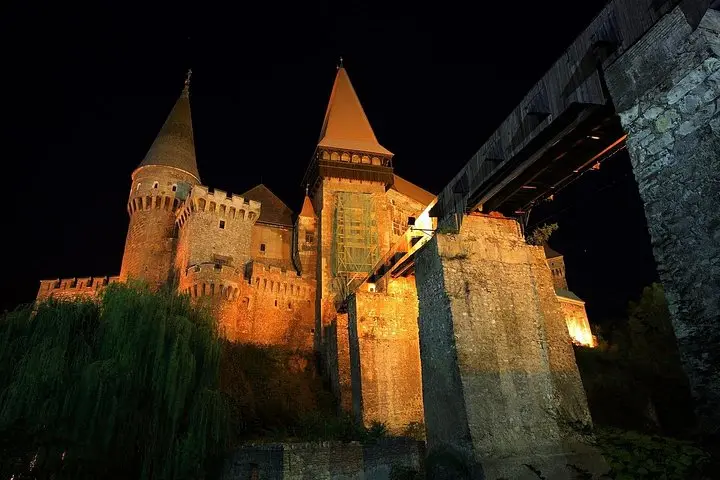
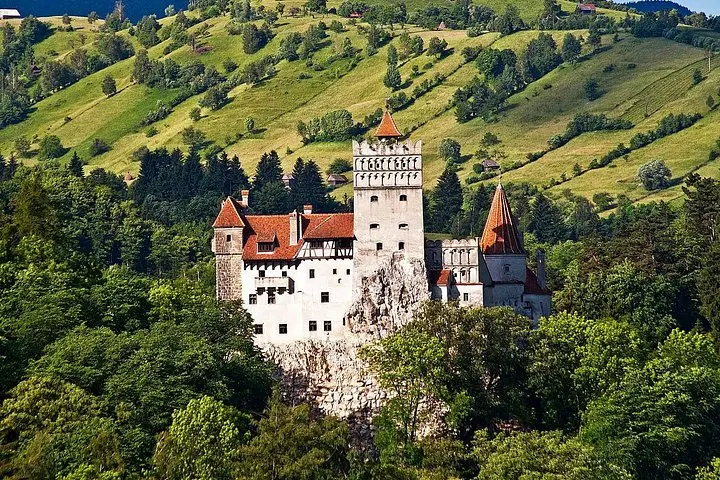
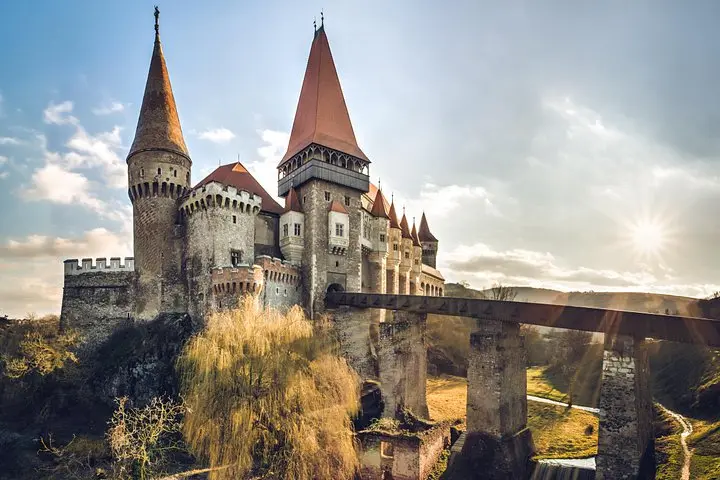
You move through places tied to Vlad Țepeș—Sighișoara’s clock tower where his childhood footprints are still pointed, the ruined keep of Poenari clinging to its cliff, and Bran’s compact, theatrical castle that became the image of Dracula in popular imagination. Geology shows itself at the Turda Salt Mine, where evaporated seas left cubic chambers turned into an otherworldly leisure space, and on the Transfăgărășan, a high road cut through glacial forms and volcanic bedrock.
The trip balances stories of Saxon merchants and Dacian warriors with practical touring: centrally located hotels, a professional English-speaking guide, entrance fees included and a mix of city walks and shorter hikes. Expect cobbled lanes in Brasov, narrow defensive passages at fortified churches, and long driving days punctuated by short walks.
Practical edge: bring broken-in walking shoes, layered clothing for mountain-to-city swings, a daypack and a photocopy of your passport. Transfăgărășan is seasonal—plan summer for the full high-road experience—and allow time for slow photography at ruins and salt galleries. This is history you can walk into, geology you can step through, and a route organized so the romance of legend never gets in the way of the terrain.
Yes—tour operates with small groups up to eight and accommodates solo participants; rooms are based on double occupancy so single supplements may apply.
Yes—entrance fees, seven nights in centrally located hotels and breakfasts are included, plus transportation and airport transfers as listed.
The itinerary includes the Transfăgărășan when open; the road is seasonal and may be closed by snow outside summer months.
Travelers should have moderate fitness; not recommended for those with serious heart or spinal conditions and pregnant travelers should consult a doctor before booking.
Rolandia operates guided outdoor trips and adventures with an emphasis on safety, stewardship, and memorable experiences.
A low sun slants across the Carpathians as the minivan peels away from Bucharest and into a landscape that seems to argue with the daylight—steep ridgelines pressing against road and village alike, rivers that dare you to follow their channels into the hills. Over eight days, this route threads medieval citadels, forested passes and underground chambers into a single corridor of history and geology.
A low sun slants across the Carpathians as the minivan peels away from Bucharest and into a landscape that seems to argue with the daylight—steep ridgelines pressing against road and village alike, rivers that dare you to follow their channels into the hills. Over eight days, this route threads medieval citadels, forested passes and underground chambers into a single corridor of history and geology.
You move through places tied to Vlad Țepeș—Sighișoara’s clock tower where his childhood footprints are still pointed, the ruined keep of Poenari clinging to its cliff, and Bran’s compact, theatrical castle that became the image of Dracula in popular imagination. Geology shows itself at the Turda Salt Mine, where evaporated seas left cubic chambers turned into an otherworldly leisure space, and on the Transfăgărășan, a high road cut through glacial forms and volcanic bedrock.
The trip balances stories of Saxon merchants and Dacian warriors with practical touring: centrally located hotels, a professional English-speaking guide, entrance fees included and a mix of city walks and shorter hikes. Expect cobbled lanes in Brasov, narrow defensive passages at fortified churches, and long driving days punctuated by short walks.
Practical edge: bring broken-in walking shoes, layered clothing for mountain-to-city swings, a daypack and a photocopy of your passport. Transfăgărășan is seasonal—plan summer for the full high-road experience—and allow time for slow photography at ruins and salt galleries. This is history you can walk into, geology you can step through, and a route organized so the romance of legend never gets in the way of the terrain.