THE ADVENTURE COLLECTIVE® · Independent discovery and booking for outdoor travel
A full-day tour from Guilin to Longji’s Dragon’s Backbone terraces and Ping’an Zhuang Village that combines dramatic rice-field panoramas with living ethnic culture. Expect stone steps, bamboo channels, and traditional wooden homes on a manageable full-day walk.
A full-day tour from Guilin to Longji’s Dragon’s Backbone terraces and Ping’an Zhuang Village that combines dramatic rice-field panoramas with living ethnic culture. Expect stone steps, bamboo channels, and traditional wooden homes on a manageable full-day walk.
You step from an air-conditioned van into a cool mountain wind and the terraces open like a stepped coastline—water-glinting in spring, green in summer, gold in autumn, silver in winter. Wooden houses of Ping'an cling to the hillside: three-story structures with livestock below and living quarters above, stone staircases folding between roofs and bamboo irrigation channeling water like veins.
Verified experiences and guided adventures in the surrounding area.
Operated by IslamiChina Travel · Ping'an (Ping'an Zhuang Village), Guangxi
You step from an air-conditioned van into a cool mountain wind and the terraces open like a stepped coastline—water-glinting in spring, green in summer, gold in autumn, silver in winter. Wooden houses of Ping'an cling to the hillside: three-story structures with livestock below and living quarters above, stone staircases folding between roofs and bamboo irrigation channeling water like veins.
The Dragon's Backbone (Longji) terraces were carved into the slope over centuries, expanded most intensively during the Ming dynasty roughly 400–600 years ago. Geologically the area is karst on folded limestone hills; the terraces follow contours where soil accumulates and water can be held. Culturally, the Zhuang minority here preserves woven cloth, headscarves and seasonal rituals—your guide will explain daily life, marriage customs and how the terraces shape community rhythms.
Expect 6–8 hours total: transfers from Guilin, guided time in Ping'an and viewpoint walks along packed-earth paths and stone steps with up to ~500 m vertical range between valley and high points. Terrain is uneven and often wet; viewpoints can be crowded mid-morning. Bring a charged phone for layered views, and plan for short hikes between terraces rather than long alpine treks.
Practical: keep your passport handy for ticketing, wear grippy shoes, carry water and layered clothing for sudden mountain sun or showers. Arrive early for low light on the terraces and quieter village interactions—late afternoon returns are common. Respect private fields and local homes; stay on marked paths to protect irrigation channels and soil structure.
It’s a full-day (about 8 hours) private tour with round-trip transfers from Guilin, an English-speaking guide, admission tickets, and in-transport refreshments; meals typically aren’t included.
Walking involves uneven stone steps and short climbs between terraces and viewpoints; it’s manageable for most people with basic fitness but not suitable for those with serious mobility issues.
Spring for mirrored water, summer for green shoots, and autumn for golden harvest colors—early morning reduces crowds and gives the best light.
Yes — guides may need your passport to purchase or check entrance tickets, so keep it on you.
IslamiChina Travel operates guided outdoor trips and adventures with an emphasis on safety, stewardship, and memorable experiences.
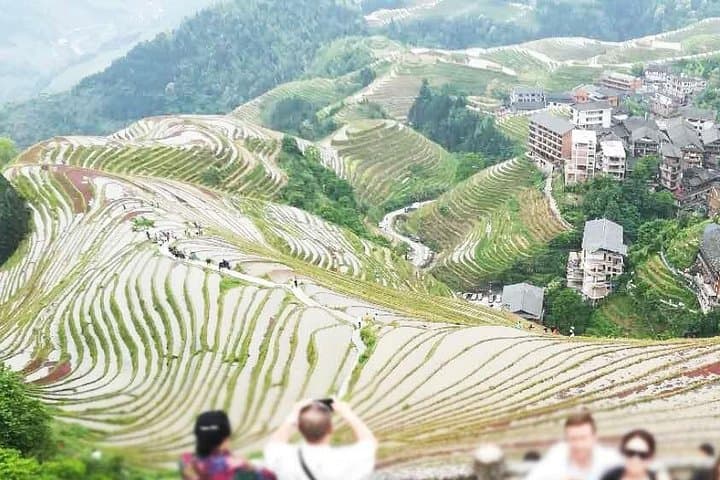
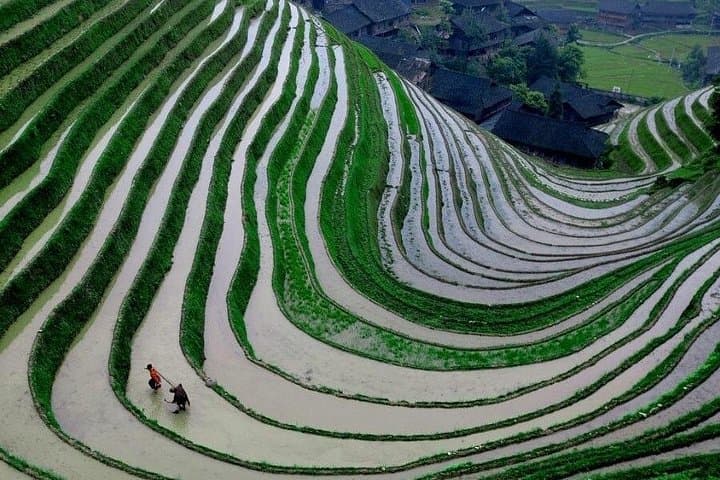

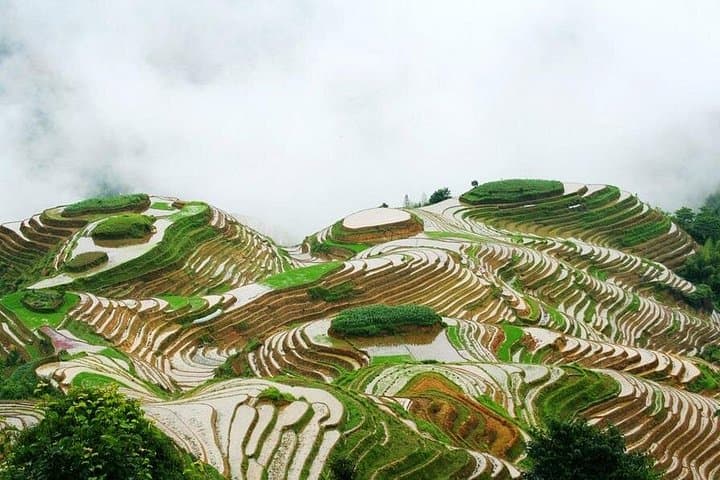
You step from an air-conditioned van into a cool mountain wind and the terraces open like a stepped coastline—water-glinting in spring, green in summer, gold in autumn, silver in winter. Wooden houses of Ping'an cling to the hillside: three-story structures with livestock below and living quarters above, stone staircases folding between roofs and bamboo irrigation channeling water like veins.
You step from an air-conditioned van into a cool mountain wind and the terraces open like a stepped coastline—water-glinting in spring, green in summer, gold in autumn, silver in winter. Wooden houses of Ping'an cling to the hillside: three-story structures with livestock below and living quarters above, stone staircases folding between roofs and bamboo irrigation channeling water like veins.
The Dragon's Backbone (Longji) terraces were carved into the slope over centuries, expanded most intensively during the Ming dynasty roughly 400–600 years ago. Geologically the area is karst on folded limestone hills; the terraces follow contours where soil accumulates and water can be held. Culturally, the Zhuang minority here preserves woven cloth, headscarves and seasonal rituals—your guide will explain daily life, marriage customs and how the terraces shape community rhythms.
Expect 6–8 hours total: transfers from Guilin, guided time in Ping'an and viewpoint walks along packed-earth paths and stone steps with up to ~500 m vertical range between valley and high points. Terrain is uneven and often wet; viewpoints can be crowded mid-morning. Bring a charged phone for layered views, and plan for short hikes between terraces rather than long alpine treks.
Practical: keep your passport handy for ticketing, wear grippy shoes, carry water and layered clothing for sudden mountain sun or showers. Arrive early for low light on the terraces and quieter village interactions—late afternoon returns are common. Respect private fields and local homes; stay on marked paths to protect irrigation channels and soil structure.
