THE ADVENTURE COLLECTIVE® · Independent discovery and booking for outdoor travel

Head offshore from Drake Bay for guided encounters with migrating humpbacks and resident dolphin pods. Tours blend observation, hydrophone listening, and marine-biology insight while prioritizing conservation.
Head offshore from Drake Bay for guided encounters with migrating humpbacks and resident dolphin pods. Tours blend observation, hydrophone listening, and marine-biology insight while prioritizing conservation.
The boat lifts off the glassy water and the sound of the engine becomes part of the ocean's rhythm. Sea spray cools your face as the shoreline of Drake Bay slides away; mangrove fingers and low volcanic ridges recede and the channel opens into a wide, warm expanse where dolphins streak like silver knives and the slow backs of humpbacks breathe and blow.
Verified experiences and guided adventures in the surrounding area.
Operated by The Divine Dolphin · Drake Bay, Puntarenas
The boat lifts off the glassy water and the sound of the engine becomes part of the ocean's rhythm. Sea spray cools your face as the shoreline of Drake Bay slides away; mangrove fingers and low volcanic ridges recede and the channel opens into a wide, warm expanse where dolphins streak like silver knives and the slow backs of humpbacks breathe and blow.
This stretch of Pacific off Costa Rica's Osa Peninsula sits at an unusual junction: humpbacks migrating from both hemispheres cross these productive tropical waters, and resident dolphin pods exploit the nutrient-rich currents. The coastline is young volcanically and largely undeveloped, shaped by uplift and heavy rainfall; local fishing communities have long balanced small-scale livelihoods with coastal stewardship and growing ecotourism.
On a guided tour you can expect a mix of focused searching and patient observation. Guides and marine biologists interpret behavior through hydrophone audio and binocular cues; when whales surface, crews position the vessel for unobtrusive viewing. Tours often include snorkeling stops where reefs and pelagic life peek through clear patches.
Practicalities: tours are typically half-day (around six hours), bring sun protection, wind layers, and motion-sickness remedies if you are sensitive. Operators in Drake Bay run conservation-forward programs and ask guests to follow approach distances and crew instructions—this protects animals and increases sighting opportunities. Plan morning departures for calmer seas and the best light for photography.
No—wildlife is unpredictable. Guides know local behavior and increase odds but cannot guarantee specific species or numbers.
Yes, many tours provide snorkeling gear and include a stop when conditions and regulations allow.
Children are welcome; infants may ride in a stroller but must sit on an adult's lap during the tour—check age policies when booking.
Some operators use hydrophones so you can hear whale and dolphin vocalizations live when animals are nearby.
The Divine Dolphin operates guided outdoor trips and adventures with an emphasis on safety, stewardship, and memorable experiences.
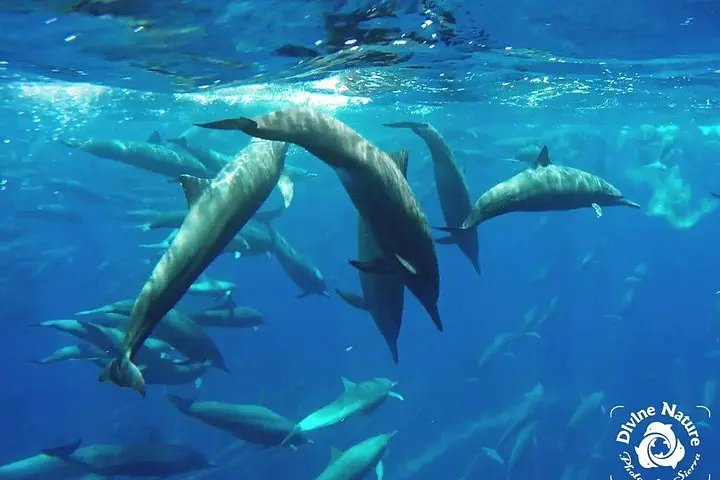
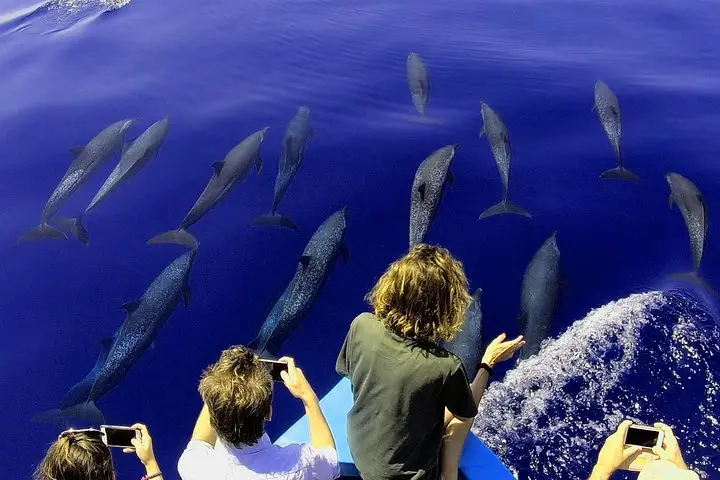
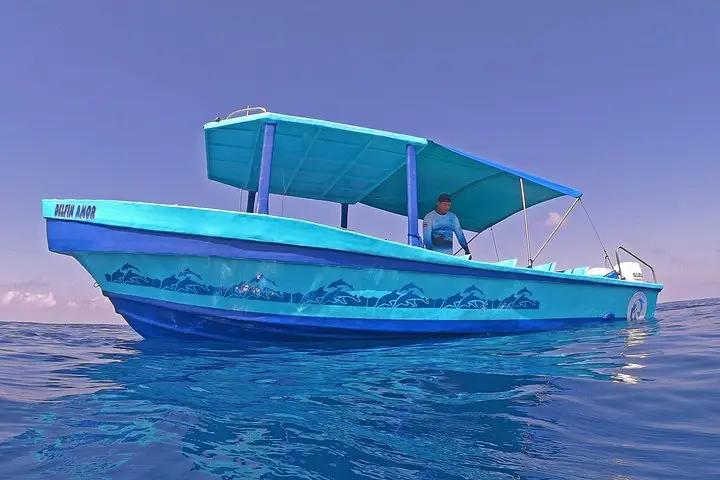
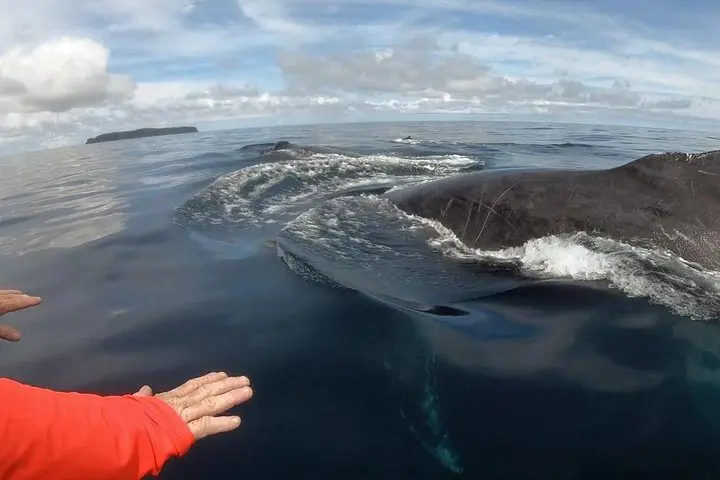
The boat lifts off the glassy water and the sound of the engine becomes part of the ocean's rhythm. Sea spray cools your face as the shoreline of Drake Bay slides away; mangrove fingers and low volcanic ridges recede and the channel opens into a wide, warm expanse where dolphins streak like silver knives and the slow backs of humpbacks breathe and blow.
The boat lifts off the glassy water and the sound of the engine becomes part of the ocean's rhythm. Sea spray cools your face as the shoreline of Drake Bay slides away; mangrove fingers and low volcanic ridges recede and the channel opens into a wide, warm expanse where dolphins streak like silver knives and the slow backs of humpbacks breathe and blow.
This stretch of Pacific off Costa Rica's Osa Peninsula sits at an unusual junction: humpbacks migrating from both hemispheres cross these productive tropical waters, and resident dolphin pods exploit the nutrient-rich currents. The coastline is young volcanically and largely undeveloped, shaped by uplift and heavy rainfall; local fishing communities have long balanced small-scale livelihoods with coastal stewardship and growing ecotourism.
On a guided tour you can expect a mix of focused searching and patient observation. Guides and marine biologists interpret behavior through hydrophone audio and binocular cues; when whales surface, crews position the vessel for unobtrusive viewing. Tours often include snorkeling stops where reefs and pelagic life peek through clear patches.
Practicalities: tours are typically half-day (around six hours), bring sun protection, wind layers, and motion-sickness remedies if you are sensitive. Operators in Drake Bay run conservation-forward programs and ask guests to follow approach distances and crew instructions—this protects animals and increases sighting opportunities. Plan morning departures for calmer seas and the best light for photography.