THE ADVENTURE COLLECTIVE® · Independent discovery and booking for outdoor travel

Set out at dawn from Drake Bay for a focused three‑hour birding walk through gardens, river edges and shorelines. Expert local guides use scopes and song knowledge to find coastal and forest species in the Osa Peninsula.
Set out at dawn from Drake Bay for a focused three‑hour birding walk through gardens, river edges and shorelines. Expert local guides use scopes and song knowledge to find coastal and forest species in the Osa Peninsula.
Before dawn the mangrove breathes and the river mouths begin to speak — a chorus of calls threads the air as you set out from Drake Bay.
Verified experiences and guided adventures in the surrounding area.
Operated by Drake Bay Birdwatching · Drake Bay, Puntarenas
Before dawn the mangrove breathes and the river mouths begin to speak — a chorus of calls threads the air as you set out from Drake Bay.
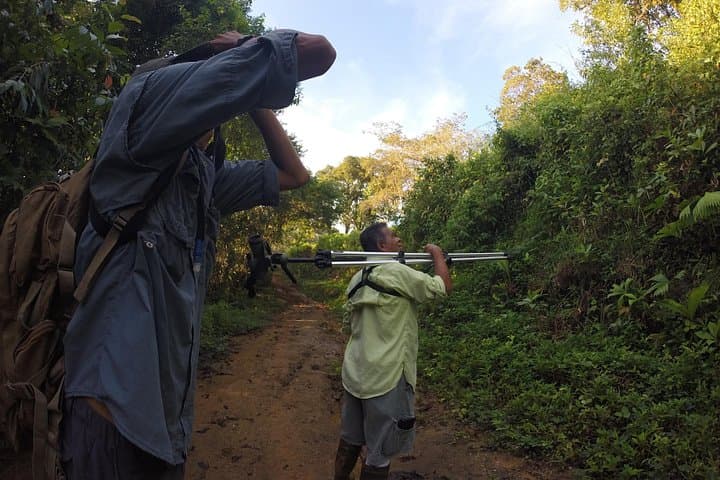
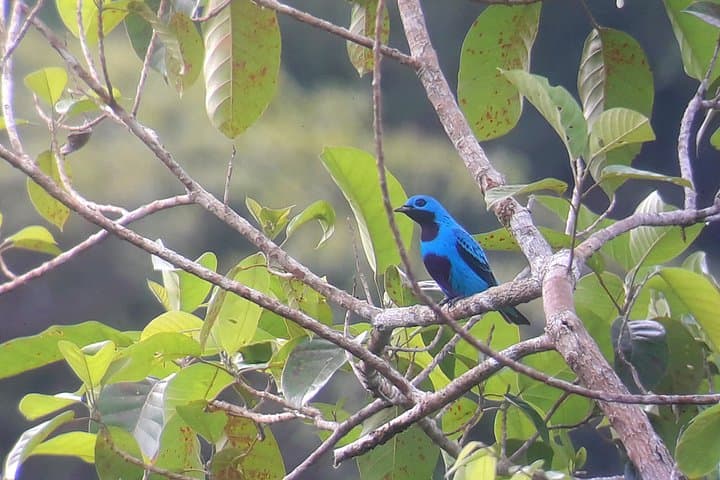
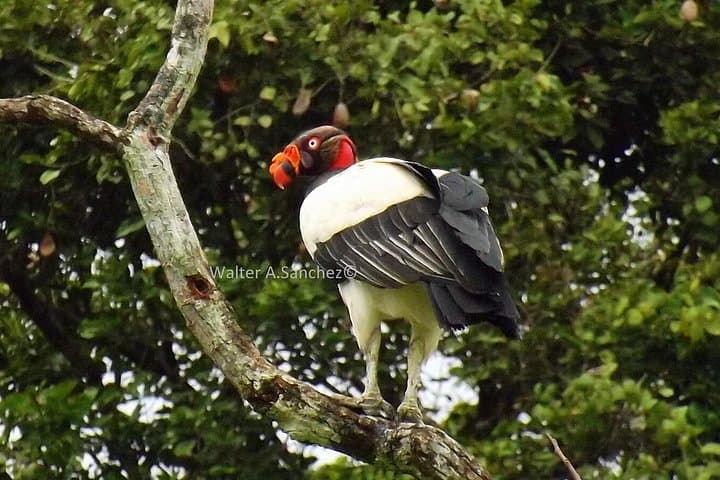
On this 3‑hour morning walk, guides lead small groups through private gardens, river edges, and patches of old‑growth and secondary forest. The terrain is easy but variable: compacted dirt trails, brief uneven sections and shoreline scrub around Agujitas Beach where terns, kingfishers and shorebirds feed. Guide telescopes bring distant canopy perches into sharp view; song recognition and local knowledge often turn single notes into confident IDs.
The Osa Peninsula has long been a crossroads of Pacific and Central American bird ranges, and its landscapes — a collision of volcanic geology, riverine sediment and coastal plain — support high species richness. Local communities around Drake Bay combine small‑scale agriculture with guiding, and visitor dollars help sustain private reserves and corridors that connect to Corcovado National Park.
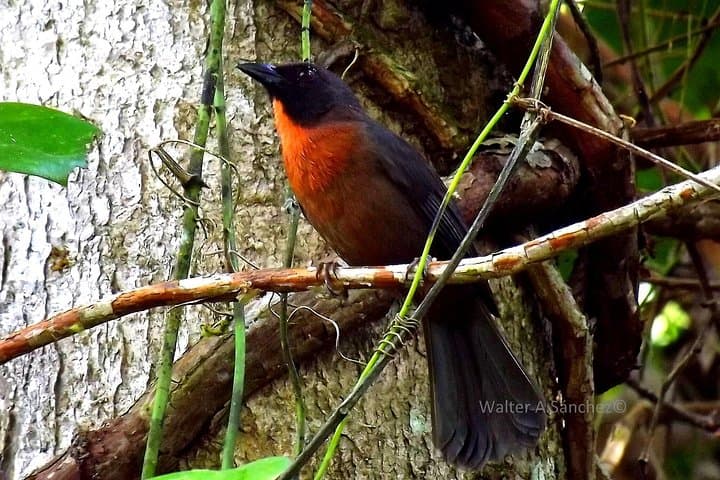
Practically: the walk starts at 5:30 AM to match peak activity, runs about three hours, and covers low‑elevation coastal habitats with short uphill sections. Expect early morning humidity, patches of mud after rain, and close encounters with active understory species. Bring quiet footwear, layered light clothing, water and a field guide or app. Respect private gardens and avoid playback unless the guide directs it. Early Birds is ideal for travelers who want focused, expert‑led observation in habitat where the day begins with a conversation between river, forest and shore.
The walk begins at 5:30 AM to coincide with peak bird activity—plan to arrive 10–15 minutes early.
Infants and small children can use a stroller; paths are generally stroller‑friendly but guides may recommend a carrier for narrow sections.
Guides target species with local knowledge but sightings can’t be guaranteed; success depends on season, recent weather and bird movement.
Guides bring an HD spotting scope and field knowledge—guests should bring their own binoculars for the best personal viewing.
Drake Bay Birdwatching operates guided outdoor trips and adventures with an emphasis on safety, stewardship, and memorable experiences.
Before dawn the mangrove breathes and the river mouths begin to speak — a chorus of calls threads the air as you set out from Drake Bay.
Before dawn the mangrove breathes and the river mouths begin to speak — a chorus of calls threads the air as you set out from Drake Bay.
On this 3‑hour morning walk, guides lead small groups through private gardens, river edges, and patches of old‑growth and secondary forest. The terrain is easy but variable: compacted dirt trails, brief uneven sections and shoreline scrub around Agujitas Beach where terns, kingfishers and shorebirds feed. Guide telescopes bring distant canopy perches into sharp view; song recognition and local knowledge often turn single notes into confident IDs.
The Osa Peninsula has long been a crossroads of Pacific and Central American bird ranges, and its landscapes — a collision of volcanic geology, riverine sediment and coastal plain — support high species richness. Local communities around Drake Bay combine small‑scale agriculture with guiding, and visitor dollars help sustain private reserves and corridors that connect to Corcovado National Park.
Practically: the walk starts at 5:30 AM to match peak activity, runs about three hours, and covers low‑elevation coastal habitats with short uphill sections. Expect early morning humidity, patches of mud after rain, and close encounters with active understory species. Bring quiet footwear, layered light clothing, water and a field guide or app. Respect private gardens and avoid playback unless the guide directs it. Early Birds is ideal for travelers who want focused, expert‑led observation in habitat where the day begins with a conversation between river, forest and shore.