THE ADVENTURE COLLECTIVE® · Independent discovery and booking for outdoor travel

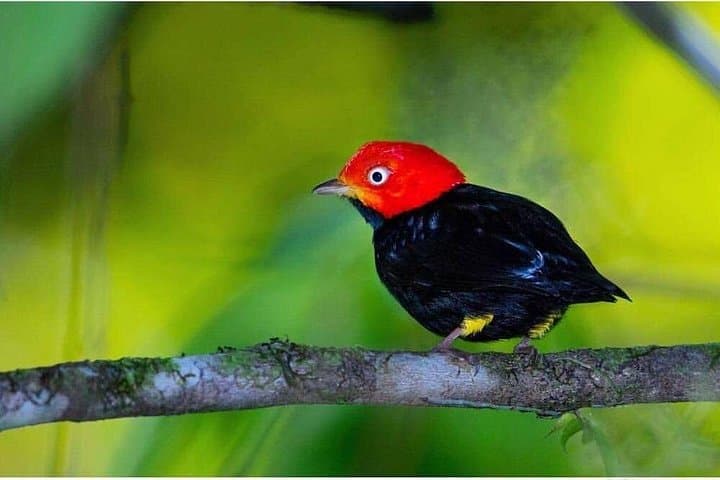
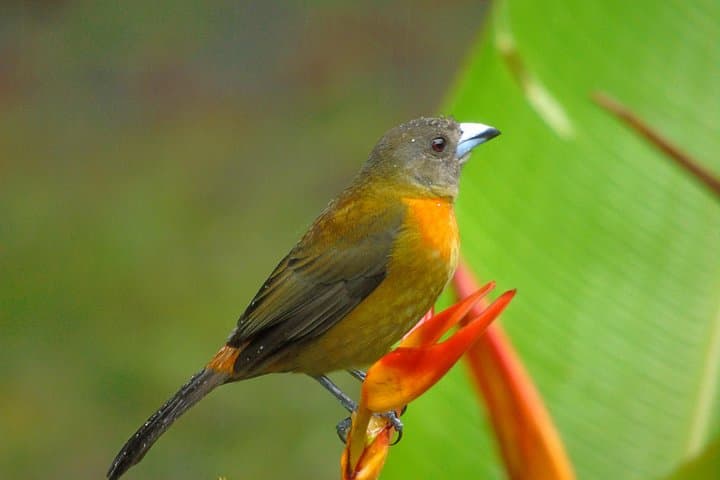
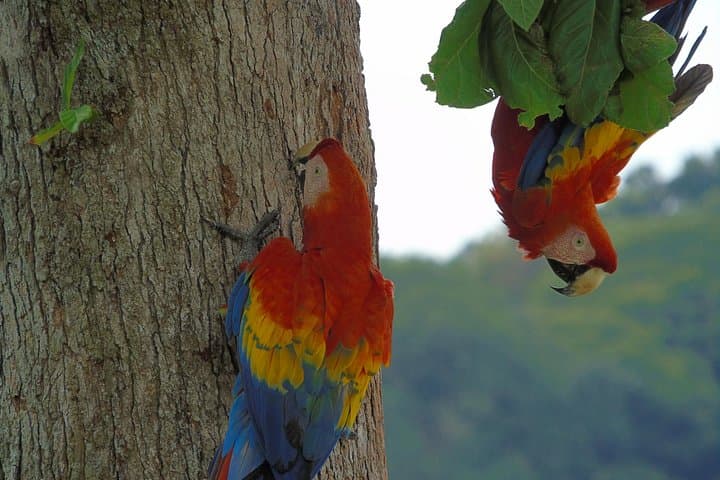
Catch the rainforest’s earliest calls on a four-hour guided birding walk from Drake Bay. Move quietly through primary and secondary forest with a local guide and a spotting scope to find macaws, toucans and migratory species.
Catch the rainforest’s earliest calls on a four-hour guided birding walk from Drake Bay. Move quietly through primary and secondary forest with a local guide and a spotting scope to find macaws, toucans and migratory species.
Dawn lifts off the bay in bands of grey and gold; the rainforest answers in sharp calls and the soft rattle of wings. On this four-hour morning walk from Drake Bay you follow narrow trails where primary and secondary forest meet the mangrove edge, a guide carrying a spotting scope and the steady patience of someone who reads the canopy like a map.
Verified experiences and guided adventures in the surrounding area.
Operated by NativosCorcovado Tours and Travel · Drake Bay, Puntarenas
Dawn lifts off the bay in bands of grey and gold; the rainforest answers in sharp calls and the soft rattle of wings. On this four-hour morning walk from Drake Bay you follow narrow trails where primary and secondary forest meet the mangrove edge, a guide carrying a spotting scope and the steady patience of someone who reads the canopy like a map.
The Osa Peninsula is one of Costa Rica’s richest birding grounds — more than 460 species recorded locally — framed by volcanic soils and steep coastal ridges that funnel migratory routes and create pockets of microhabitat. Drake Bay itself takes its name from privateer Sir Francis Drake, but the area’s more important legacy is biological: long-lived family-run reserves and Corcovado National Park set conservation priorities that sustain the birds you’ll see. Local guides blend natural history with cultural context, pointing out traditional uses for forest plants and explaining how fishing and low-impact tourism support nearby communities.
Expect 2–4 km (1–2.5 mi) of mostly flat to gently sloping trail, light scrambling over roots, and a brisk pace that keeps you in birding range. The group moves quietly; your guide supplies a spotting scope but bring personal binoculars if you have them. Wear grippy hiking shoes, long sleeves and insect repellent; pack water and a light rain jacket — the forest can change in minutes. National park fees and local taxes are typically included; tours start before sunrise to catch peak activity. Keep voices low, avoid flash photography, and follow the guide’s lead to get the best looks at toucans, scarlet macaws and the smaller canopy specialists that make the Osa sing.
Tours typically begin between 5:30 and 6:00 a.m. to catch the most bird activity; confirm exact pickup with the operator.
Plan for roughly 2–4 km (1–2.5 mi) on uneven forest trails over about 3–4 hours, at a slow birding pace.
Guides supply a spotting scope for group viewing, but bringing your own binoculars is highly recommended for continuous viewing.
The route is easy but includes roots and occasional mud; children should be accompanied and some mobility impairments may make sections difficult.
NativosCorcovado Tours and Travel operates guided outdoor trips and adventures with an emphasis on safety, stewardship, and memorable experiences.
Dawn lifts off the bay in bands of grey and gold; the rainforest answers in sharp calls and the soft rattle of wings. On this four-hour morning walk from Drake Bay you follow narrow trails where primary and secondary forest meet the mangrove edge, a guide carrying a spotting scope and the steady patience of someone who reads the canopy like a map.
Dawn lifts off the bay in bands of grey and gold; the rainforest answers in sharp calls and the soft rattle of wings. On this four-hour morning walk from Drake Bay you follow narrow trails where primary and secondary forest meet the mangrove edge, a guide carrying a spotting scope and the steady patience of someone who reads the canopy like a map.
The Osa Peninsula is one of Costa Rica’s richest birding grounds — more than 460 species recorded locally — framed by volcanic soils and steep coastal ridges that funnel migratory routes and create pockets of microhabitat. Drake Bay itself takes its name from privateer Sir Francis Drake, but the area’s more important legacy is biological: long-lived family-run reserves and Corcovado National Park set conservation priorities that sustain the birds you’ll see. Local guides blend natural history with cultural context, pointing out traditional uses for forest plants and explaining how fishing and low-impact tourism support nearby communities.
Expect 2–4 km (1–2.5 mi) of mostly flat to gently sloping trail, light scrambling over roots, and a brisk pace that keeps you in birding range. The group moves quietly; your guide supplies a spotting scope but bring personal binoculars if you have them. Wear grippy hiking shoes, long sleeves and insect repellent; pack water and a light rain jacket — the forest can change in minutes. National park fees and local taxes are typically included; tours start before sunrise to catch peak activity. Keep voices low, avoid flash photography, and follow the guide’s lead to get the best looks at toucans, scarlet macaws and the smaller canopy specialists that make the Osa sing.