THE ADVENTURE COLLECTIVE® · Independent discovery and booking for outdoor travel

Float down the gentle Drava for a three-hour safari through one of Europe’s last dynamic river corridors. This guided raft trip mixes easy paddling, pebble-beach stops, and focused wildlife viewing inside the Mura-Drava-Danube biosphere reserve.
Float down the gentle Drava for a three-hour safari through one of Europe’s last dynamic river corridors. This guided raft trip mixes easy paddling, pebble-beach stops, and focused wildlife viewing inside the Mura-Drava-Danube biosphere reserve.
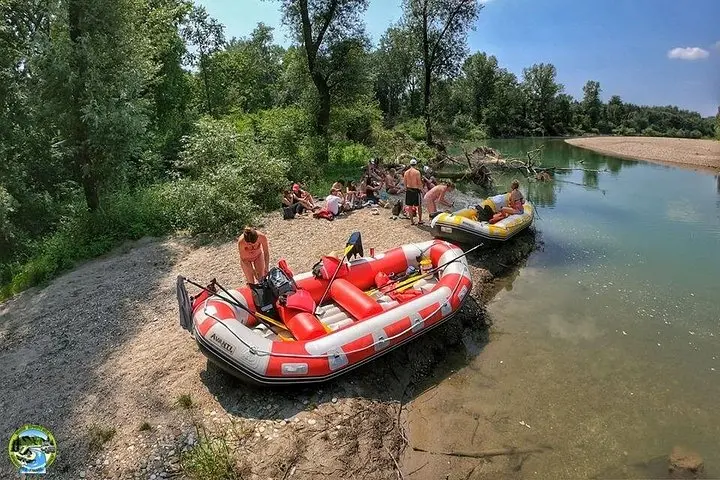
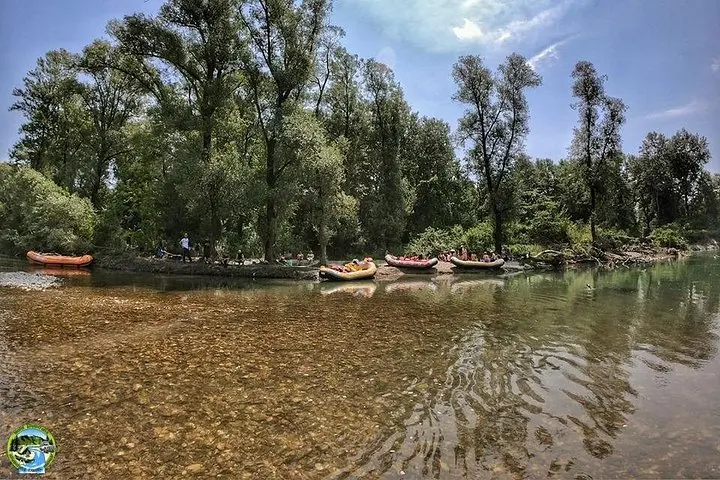
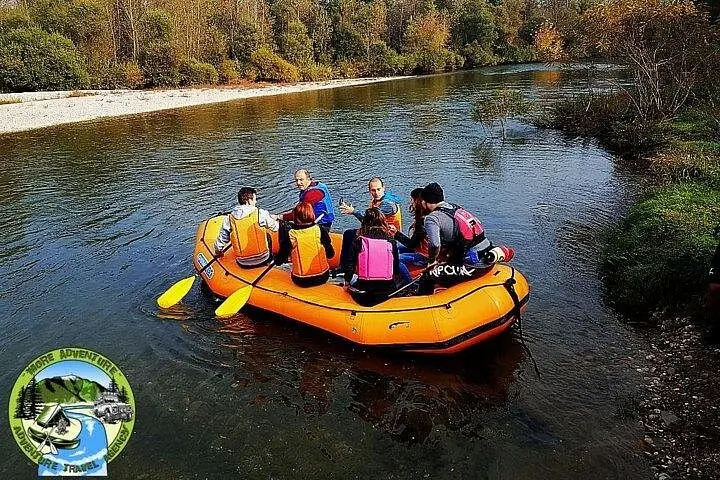
The raft eases away from a grassy bank and the Drava widens into a slow ribbon of green-blue, banks alternating between sun-baked pebble beaches and alder-lined shade. Wind pushes low across the water; a guide issues a few clear commands and paddles set the craft into an easy downstream rhythm. You move with the river’s patience—no whitewater theatrics, just gentle cascades, shifting current, and the occasional bright flash of a kingfisher darting to the surface.
Verified experiences and guided adventures in the surrounding area.
Operated by More Adventure · Varaždin, Varaždin County
The raft eases away from a grassy bank and the Drava widens into a slow ribbon of green-blue, banks alternating between sun-baked pebble beaches and alder-lined shade. Wind pushes low across the water; a guide issues a few clear commands and paddles set the craft into an easy downstream rhythm. You move with the river’s patience—no whitewater theatrics, just gentle cascades, shifting current, and the occasional bright flash of a kingfisher darting to the surface.
This three-hour safari runs along the upper stretches of the Drava near Varaždin, inside the Mura-Drava-Danube biosphere corridor where river dynamics shape the land. Geologically, the river has carved its way through Pleistocene sediments, leaving behind broad gravel bars and braided channels that change with spring floods. Those gravel beaches are living archives: nests for terns and sand martins, and prime resting spots for migratory birds.
Culturally, this stretch of the Drava sits at a crossroads of Central European influences. Villages downstream bear Austro-Hungarian architectural traces, while traditional river harvesting and fishing techniques still inform local life. Guides on the safari double as naturalists—pointing out protected plant stands, explaining riverbank management, and describing how hydropower and flood control have altered the river’s course in the last century.
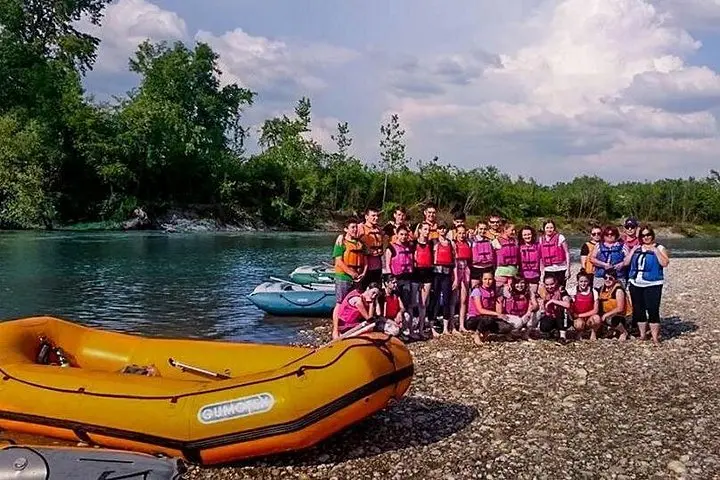
The experience is intentionally approachable. Boats are stable inflatable rafts rigged for comfort rather than adrenaline; safety vests and paddles are provided. Paddling is communal and intermittent—guests do short bursts when negotiating shallows or small cascades, otherwise the current does the work. The route typically covers several kilometers of downstream float with short stretches of mild rapids and calm pools for wildlife viewing and beach stops.
Practical notes: wear quick-dry layers and secure water shoes; the sun can be strong on open reaches and morning fog can hang low in cooler months. Bring a dry bag for essentials, a waterproof phone case for photos, and basic snacks—guides usually include short stops at pebble beaches where you can stretch, swim, or scan reed beds.
For travelers based in Varaždin, this rafting safari is a half-day window into lesser-seen Croatian waterways, ideal for families, birders, and anyone looking to trade a crowded viewpoint for moving scenery. Expect a modest fitness demand—sit-and-paddle stamina is helpful—and a high reward: quiet river miles, abundant birdlife, and the tactile pleasure of water under the hull.
Book with a mind for seasonality: spring brings high water and dramatic channel shifts; summer offers warm swims and calm viewing; fall delivers migrating flocks and crisp light; winter trips run by arrangement and emphasize solitude over sun.
The advertised duration is approximately three hours from the River Ranch meeting point, including downstream rafting, short stops, and time on pebble beaches.
Yes—this is a calm, family-friendly rafting experience; guides provide instruction and safety gear for all participants.
Bring water, a hat, sun protection, a change of clothes, water shoes, and a waterproof case for electronics; the operator supplies rafts, paddles, and life vests.
No—the Drava section used is mild with a few small cascades and shallows rather than technical whitewater.
Yes—guides typically stop at pebble beaches where swimming is allowed, weather and water conditions permitting.
Full refunds are available if you cancel at least 24 hours before departure; trips may be canceled by the operator for bad weather or low participation.
More Adventure operates guided outdoor trips and adventures with an emphasis on safety, stewardship, and memorable experiences.
The raft eases away from a grassy bank and the Drava widens into a slow ribbon of green-blue, banks alternating between sun-baked pebble beaches and alder-lined shade. Wind pushes low across the water; a guide issues a few clear commands and paddles set the craft into an easy downstream rhythm. You move with the river’s patience—no whitewater theatrics, just gentle cascades, shifting current, and the occasional bright flash of a kingfisher darting to the surface.
The raft eases away from a grassy bank and the Drava widens into a slow ribbon of green-blue, banks alternating between sun-baked pebble beaches and alder-lined shade. Wind pushes low across the water; a guide issues a few clear commands and paddles set the craft into an easy downstream rhythm. You move with the river’s patience—no whitewater theatrics, just gentle cascades, shifting current, and the occasional bright flash of a kingfisher darting to the surface.
This three-hour safari runs along the upper stretches of the Drava near Varaždin, inside the Mura-Drava-Danube biosphere corridor where river dynamics shape the land. Geologically, the river has carved its way through Pleistocene sediments, leaving behind broad gravel bars and braided channels that change with spring floods. Those gravel beaches are living archives: nests for terns and sand martins, and prime resting spots for migratory birds.
Culturally, this stretch of the Drava sits at a crossroads of Central European influences. Villages downstream bear Austro-Hungarian architectural traces, while traditional river harvesting and fishing techniques still inform local life. Guides on the safari double as naturalists—pointing out protected plant stands, explaining riverbank management, and describing how hydropower and flood control have altered the river’s course in the last century.
The experience is intentionally approachable. Boats are stable inflatable rafts rigged for comfort rather than adrenaline; safety vests and paddles are provided. Paddling is communal and intermittent—guests do short bursts when negotiating shallows or small cascades, otherwise the current does the work. The route typically covers several kilometers of downstream float with short stretches of mild rapids and calm pools for wildlife viewing and beach stops.
Practical notes: wear quick-dry layers and secure water shoes; the sun can be strong on open reaches and morning fog can hang low in cooler months. Bring a dry bag for essentials, a waterproof phone case for photos, and basic snacks—guides usually include short stops at pebble beaches where you can stretch, swim, or scan reed beds.
For travelers based in Varaždin, this rafting safari is a half-day window into lesser-seen Croatian waterways, ideal for families, birders, and anyone looking to trade a crowded viewpoint for moving scenery. Expect a modest fitness demand—sit-and-paddle stamina is helpful—and a high reward: quiet river miles, abundant birdlife, and the tactile pleasure of water under the hull.
Book with a mind for seasonality: spring brings high water and dramatic channel shifts; summer offers warm swims and calm viewing; fall delivers migrating flocks and crisp light; winter trips run by arrangement and emphasize solitude over sun.