
Dress in Tradition: Kimono Rental and Self-Guided Sightseeing in Shizuoka
Try on a komon kimono and step into Shizuoka’s compact mix of samurai history, garden paths, and possible Fuji views. This self-guided rental pairs professional dressing with 3- or 6-hour exploration—ideal for picture-ready loops through Sunpu Castle Park and Momijiyama Garden.
An Adventure In Shizuoka.
Try on a komon kimono and step into Shizuoka’s compact mix of samurai history, garden paths, and possible Fuji views. This self-guided rental pairs professional dressing with 3- or 6-hour exploration—ideal for picture-ready loops through Sunpu Castle Park and Momijiyama Garden.
Read the full experience
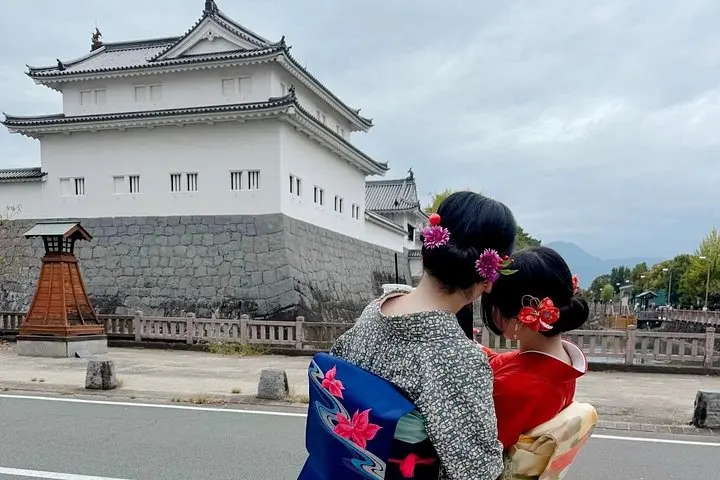
You step out of a quiet shop a five-minute walk from JR Shizuoka Station, obi tied and sandals soft against stone, the city opening in tidy blocks toward a green park. The fabric’s small-scale komon print moves with you as you cross toward Sunpu Castle Park; branches lean low, and the city’s low mountains frame a pale horizon where Mount Fuji can appear on clear mornings.
You step out of a quiet shop a five-minute walk from JR Shizuoka Station, obi tied and sandals soft against stone, the city opening in tidy blocks toward a green park. The fabric’s small-scale komon print moves with you as you cross toward Sunpu Castle Park; branches lean low, and the city’s low mountains frame a pale horizon where Mount Fuji can appear on clear mornings.
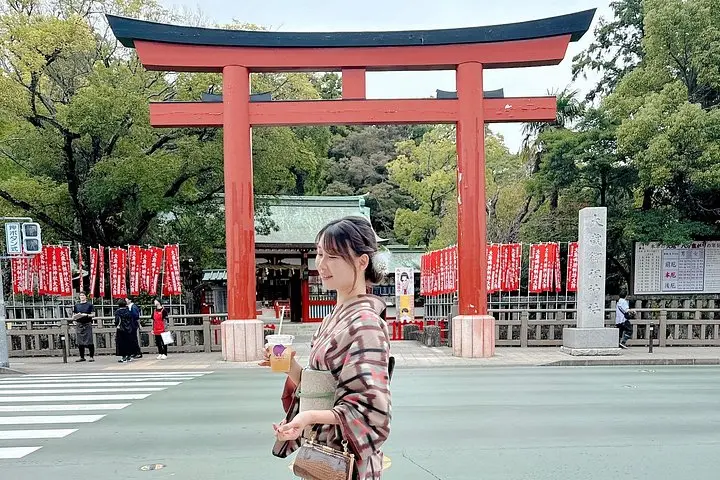
Shizuoka’s history is compact and visible: Sunpu Castle, once home to Tokugawa Ieyasu, anchors the city’s feudal past, while nearby Kunozan Toshogu Shrine perches on a wooded ridge and tells stories of Edo-era politics and craftsmanship. Geologically the city sits near Suruga Bay and the Izu range, so air and light can change quickly—clear mornings give distant Fuji views; humid afternoons call for shade.
Culturally, the komon kimono you wear is understated, patterned for everyday refinement rather than ceremony—perfect for wandering gardens and tea houses. Dressing takes about an hour with professional help; rentals are typically offered for three or six hours and include accessories, sandals, and lockers for luggage.
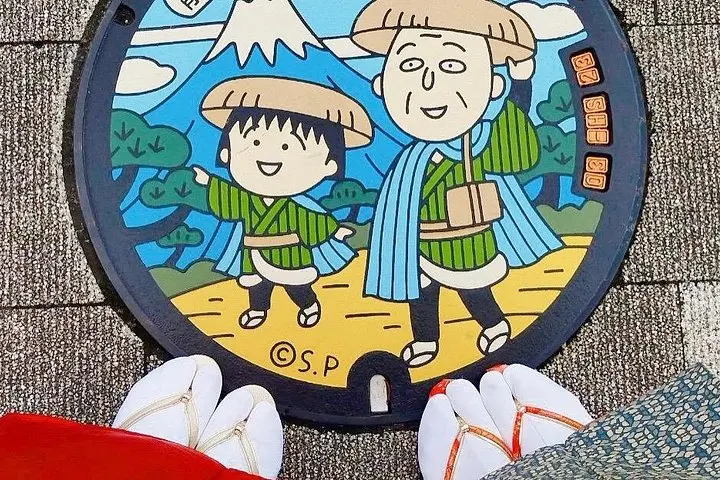
Practical tips: choose lower-heeled tabi-friendly shoes for moving around temples and parks, carry a small, secure bag (backpacks can be bulky in kimono), and plan photography early in the day for softer light and fewer crowds. Respect shrine and park etiquette—avoid loud behavior and be mindful of restricted indoor areas. With a kimono on, a self-guided walk through Sunpu Castle Park, Momijiyama Garden, and local tea shops becomes a cultural scene you can both inhabit and photograph with ease.
Frequently asked questions
Expect about one hour from arrival to fully dressed; staff handle kimono, obi and basic hair adjustments.
You can visit most outdoor and many indoor sites, but avoid tatami-only rooms unless staff advise—follow shrine rules and remove shoes where required.
Yes; the shop typically stocks komon kimonos for both genders in a range of sizes and offers professional fitting assistance.
Shops provide lockers for returning to change; bring a compact umbrella or parasol and plan to avoid heavy rain since kimono fabric needs careful drying.
About This Experience
撫子日和 operates guided outdoor trips and adventures with an emphasis on safety, stewardship, and memorable experiences.
Adventure tips
Recommended gear
- Light crossbody bag: Small, secure bag that fits essentials without interfering with kimono sleeves.
- Cushioned insoles or blister pads: Adds comfort for walking in traditional sandals provided by the rental.
- Portable phone charger: Keeps camera and phone powered during extended photography sessions.
- UV-blocking parasol or sunscreen: Protects delicate fabric and skin during sunny strolls in gardens and parks.
Photos of the experience

Related adventures & guides
Read the full experience
You step out of a quiet shop a five-minute walk from JR Shizuoka Station, obi tied and sandals soft against stone, the city opening in tidy blocks toward a green park. The fabric’s small-scale komon print moves with you as you cross toward Sunpu Castle Park; branches lean low, and the city’s low mountains frame a pale horizon where Mount Fuji can appear on clear mornings.
You step out of a quiet shop a five-minute walk from JR Shizuoka Station, obi tied and sandals soft against stone, the city opening in tidy blocks toward a green park. The fabric’s small-scale komon print moves with you as you cross toward Sunpu Castle Park; branches lean low, and the city’s low mountains frame a pale horizon where Mount Fuji can appear on clear mornings.
Shizuoka’s history is compact and visible: Sunpu Castle, once home to Tokugawa Ieyasu, anchors the city’s feudal past, while nearby Kunozan Toshogu Shrine perches on a wooded ridge and tells stories of Edo-era politics and craftsmanship. Geologically the city sits near Suruga Bay and the Izu range, so air and light can change quickly—clear mornings give distant Fuji views; humid afternoons call for shade.
Culturally, the komon kimono you wear is understated, patterned for everyday refinement rather than ceremony—perfect for wandering gardens and tea houses. Dressing takes about an hour with professional help; rentals are typically offered for three or six hours and include accessories, sandals, and lockers for luggage.
Practical tips: choose lower-heeled tabi-friendly shoes for moving around temples and parks, carry a small, secure bag (backpacks can be bulky in kimono), and plan photography early in the day for softer light and fewer crowds. Respect shrine and park etiquette—avoid loud behavior and be mindful of restricted indoor areas. With a kimono on, a self-guided walk through Sunpu Castle Park, Momijiyama Garden, and local tea shops becomes a cultural scene you can both inhabit and photograph with ease.
Make a day of it nearby.
Verified experiences and guided adventures in the surrounding area.